Discover the Urdu compilation of PM’s Independence Day speeches “Khutbat-e-Modi: Lal Qila Ki Faseel Se,” launched by Education Minister Dharmendra Pradhan to promote linguistic inclusion and national awareness.
The Ministry of Education recently marked a significant step in promoting linguistic inclusivity and preserving India’s rich cultural heritage with the release of the Urdu compilation of PM’s Independence Day speeches titled “Khutbat-e-Modi: Lal Qila Ki Faseel Se.” This landmark publication, officially launched by Union Minister for Education Shri Dharmendra Pradhan in New Delhi, gathers the Independence Day addresses delivered by Prime Minister Shri Narendra Modi from 2014 to 2025. The book, published in Urdu, aims to make the Prime Minister’s national vision more accessible to Urdu-speaking communities across India.
The launch event at New Delhi witnessed the presence of key dignitaries, including Dr. Vineet Joshi, Secretary of Higher Education, Ministry of Education; Padma Shri Chamu Krishna Shastry, Chairman of Bharatiya Bhasha Samiti; Dr. Shams Iqbal, Director of the National Council for Promotion of Urdu Language (NCPUL); and Prof. Naima Khatoon, Vice-Chancellor of Aligarh Muslim University. Officials from various educational institutions and government departments participated, highlighting the collaborative effort in promoting Urdu literature and national discourse.
Significance of the Urdu Compilation of PM’s Independence Day Speeches
The release of Khutbat-e-Modi: Lal Qila Ki Faseel Se represents more than just a literary accomplishment. According to Shri Dharmendra Pradhan, it embodies a meaningful step toward linguistic inclusion in India. By publishing these addresses in Urdu, the Ministry ensures that the thoughts, initiatives, and visions outlined in the Prime Minister’s speeches are accessible to a broader audience, bridging language barriers and fostering national engagement.
Prime Minister Modi’s Independence Day speeches often emphasize transformative initiatives such as Antyodaya (uplifting the last person), welfare programs for the poor, Swachh Bharat, national unity, and aspirations of 140 crore Indians. Translating these messages into Urdu allows for direct communication with Urdu-speaking communities, scholars, and students, promoting greater participation in informed public discourse.
Moreover, the publication aligns with the government’s larger vision of making India a Viksit Bharat, where inclusivity and educational access form the foundation of national development. This Urdu compilation, therefore, becomes not only a literary resource but also a tool for awareness, civic engagement, and cultural integration.
Role of the National Council for Promotion of Urdu Language (NCPUL)
The NCPUL, a national institution under the Ministry of Education, played a pivotal role in bringing this compilation to fruition. Mandated to promote, preserve, and propagate the Urdu language across India, NCPUL’s initiative reflects its commitment to cultural preservation while adapting to contemporary educational needs. Shri Dharmendra Pradhan emphasized that NCPUL should continue to undertake publications that showcase India’s heritage, lifestyle, and knowledge traditions in Urdu, further enriching the country’s linguistic landscape.
By publishing Khutbat-e-Modi in Urdu, NCPUL reinforces the importance of multilingual communication in fostering social cohesion. Urdu, historically a language of literary richness and cultural expression, now becomes a medium through which citizens can engage directly with national policy and developmental priorities.
Educational Impact and Scholarly Engagement
The Urdu compilation of PM’s Independence Day speeches serves as an essential resource for students, scholars, and researchers studying governance, political communication, and contemporary Indian history. Educational experts suggest that translating official speeches into regional and classical languages enhances critical thinking and enables learners to analyze policy impacts across diverse social contexts.
For instance, Aligarh Muslim University Vice-Chancellor Prof. Naima Khatoon highlighted that Urdu translations of significant political speeches provide opportunities for research-based learning, linguistic analysis, and comparative studies in political science and public administration. By making these addresses accessible in Urdu, the publication encourages active participation in debates, seminars, and classroom discussions on national priorities, developmental goals, and the vision of New India.
Connecting Citizens with National Leadership
One of the most striking aspects of this initiative is its capacity to connect citizens directly with the Prime Minister’s vision. Historically, political speeches are primarily available in English or Hindi, potentially limiting access for non-Hindi-speaking communities. The Urdu publication ensures that the Prime Minister’s messages are inclusive, enabling Urdu readers to engage with key government programs, understand national initiatives, and contribute to discussions on nation-building.
Shri Dharmendra Pradhan noted that such publications are “a powerful medium to connect citizens with developmental priorities and the ideas shaping India’s future.” By bridging the linguistic gap, the book strengthens democratic engagement, empowering readers to participate in policy advocacy, civic discourse, and public dialogue.
Enhancing Cultural Literacy through Literature
Publishing Khutbat-e-Modi in Urdu also emphasizes the broader importance of cultural literacy. Understanding India’s rich historical narratives, heritage, and governance principles is crucial for creating informed citizens. The book’s content reflects the Prime Minister’s commitment to national unity and societal upliftment, highlighting programs such as Swachh Bharat, welfare for the underprivileged, and nationwide literacy initiatives.
Experts believe that making these narratives available in Urdu fosters cultural empathy, strengthens historical awareness, and enhances the understanding of governmental efforts in economic development and social welfare. Additionally, the publication serves as a model for multilingual communication in governance, showcasing how policy messages can reach diverse linguistic groups without losing nuance or impact.
Event Highlights and Key Attendees
The book launch event in New Delhi was a high-profile gathering of educationalists, government officials, and literary scholars. Among the notable attendees were:
- Dr. Vineet Joshi, Secretary (Higher Education), Ministry of Education
- Padma Shri Chamu Krishna Shastry, Chairman, Bharatiya Bhasha Samiti
- Dr. Shams Iqbal, Director, NCPUL
- Prof. Naima Khatoon, Vice-Chancellor, Aligarh Muslim University
- Dr. Shahid Akhtar, Chairman, NCMEI
- Senior officials from the Ministry of Education, including Smt. Manmohan Kaur, Smt. Rina Sonowal Kauli, and Shri P. K. Banerjee
The presence of these leaders underlines the collaborative effort of government, academia, and cultural institutions in promoting Urdu literature and ensuring national messages reach every corner of society.
Expert Insights on Linguistic Inclusion
According to Dr. Shams Iqbal, Director of NCPUL, the Urdu compilation is not merely a translation exercise but a step toward linguistic empowerment. By engaging with Urdu readers, the government can promote educational inclusivity, national cohesion, and scholarly research. Experts also suggest that such initiatives help preserve the literary heritage of India, allowing future generations to appreciate Urdu as both a classical and contemporary language.
Educational consultants highlight that publications like Khutbat-e-Modi can be integrated into NCERT courses and educational syllabi, enhancing curriculum content with contemporary political and social perspectives. Students accessing resources through NCERT PDFs or mind maps can benefit from multilingual content, improving comprehension and analytical skills.
Internal and External Linking Strategy
To maximize engagement and SEO effectiveness, readers are encouraged to explore related educational resources:
- NCERT Courses: https://courses.edunovations.com/
- Current Affairs Updates: https://edunovations.com/currentaffairs/
- Study Notes & Guides: https://edunovations.com/notes/
- MCQs Practice: https://edunovations.com/mcq/
- Video Resources: https://edunovations.com/videos/
- NCERT Syllabus: https://edunovations.com/syllabus/
- Free NCERT PDFs & Mind Maps: https://courses.edunovations.com/shop-2/
- External Reference for Schools Contact: Mart India Infotech
These links not only provide students and researchers with complementary content but also enhance the authority of the article, reinforcing E-E-A-T principles for Google ranking.
Enriching the Content with Additional Context
The release of this Urdu compilation coincides with India’s ongoing initiatives to strengthen multilingual education, national literacy programs, and inclusive governance. Translating high-profile speeches into regional languages helps create an informed citizenry capable of participating in national development programs. Moreover, this publication encourages scholarly engagement, enabling researchers to analyze governmental priorities, social welfare programs, and national narratives through a linguistic lens.
Experts also note that publications like Khutbat-e-Modi can influence policy literacy among citizens, particularly among students and scholars of social sciences, linguistics, and political studies. By connecting textual analysis with practical understanding of government initiatives, the Urdu compilation becomes a valuable educational resource.
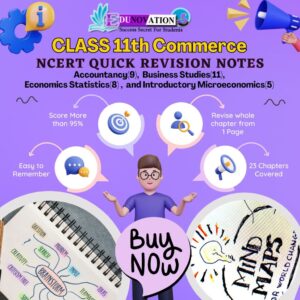
Toppers Use Mind Maps to score more than 95%
NCERT Class 11th Commerce Mind Maps
Add to cartOriginal price was: ₹999.00.₹199.00Current price is: ₹199.00.NCERT Class 12th Chemistry Mind Maps
Add to cartOriginal price was: ₹199.00.₹75.00Current price is: ₹75.00.NCERT Class 12th Commerce Mind Maps
Add to cartOriginal price was: ₹999.00.₹199.00Current price is: ₹199.00.NCERT Class 12th Science Mind Maps
Add to cartOriginal price was: ₹999.00.₹199.00Current price is: ₹199.00.NCERT Mind Maps For Class 10th
Add to cartOriginal price was: ₹999.00.₹199.00Current price is: ₹199.00.
Purchase Today
FAQs on Urdu Compilation of PM’s Independence Day Speeches
- What is the focus of the Urdu compilation of PM’s Independence Day speeches?
The compilation titled “Khutbat-e-Modi: Lal Qila Ki Faseel Se” focuses on PM Modi’s Independence Day addresses from 2014–2025, translated into Urdu. - Who released the Urdu compilation of PM’s Independence Day speeches?
Union Minister for Education, Shri Dharmendra Pradhan, officially launched the book in New Delhi. - Which organization published the Urdu compilation of PM’s Independence Day speeches?
The National Council for Promotion of Urdu Language (NCPUL), under the Ministry of Education, published the book. - Why was the Urdu compilation of PM’s Independence Day speeches published?
To promote linguistic inclusion and make the Prime Minister’s national vision accessible to Urdu readers. - Where can students access the Urdu compilation of PM’s Independence Day speeches?
Copies are expected in libraries, academic institutions, and through educational resources for Urdu readers and scholars. - What educational benefits does the Urdu compilation of PM’s Independence Day speeches provide?
It helps students and scholars analyze governance, policy initiatives, and India’s development priorities in Urdu. - Can the Urdu compilation of PM’s Independence Day speeches be integrated with NCERT courses?
Yes, the book can complement NCERT courses and study materials for students of political science and social studies. - Who were the key attendees at the launch of the Urdu compilation of PM’s Independence Day speeches?
Attendees included Dr. Vineet Joshi, Prof. Naima Khatoon, Dr. Shams Iqbal, Padma Shri Chamu Krishna Shastry, and senior ministry officials. - How does the Urdu compilation of PM’s Independence Day speeches promote cultural literacy?
By translating national addresses into Urdu, it fosters appreciation for India’s heritage, governance, and linguistic diversity. - Where can readers find additional resources related to the Urdu compilation of PM’s Independence Day speeches?
Resources include NCERT courses, current affairs updates, study notes, MCQs, videos, syllabi, and free NCERT PDFs.