
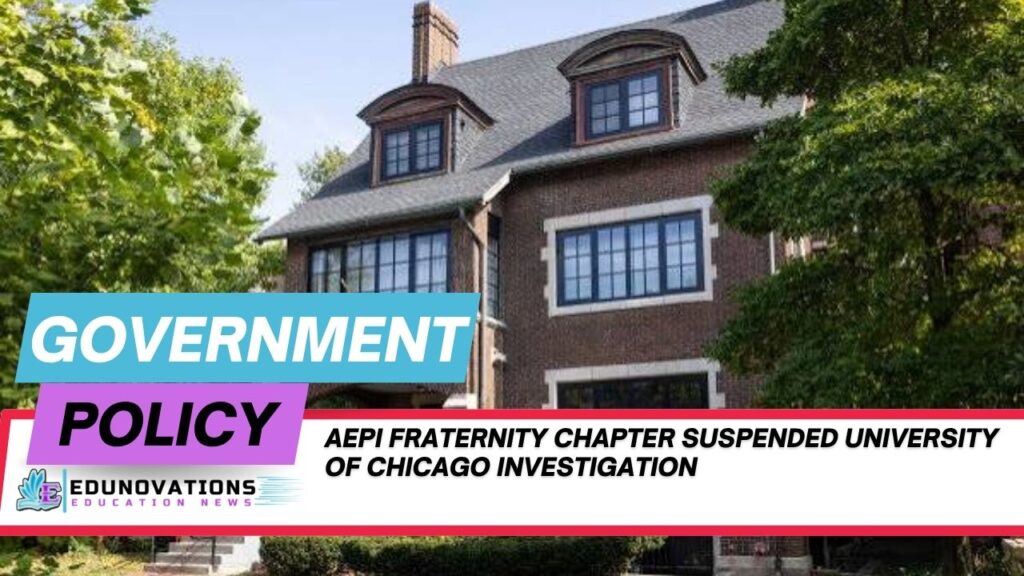
Discover comprehensive updates on the AEPi fraternity chapter suspended University of Chicago investigation, new survivor statements, and campus safety reforms.
The landscape of American higher education has once again been shaken to its core following a wave of disturbing reports originating from prominent institutional grounds. Recent developments surrounding campus Greek life have ignited intense public scrutiny, national dialogue, and institutional soul-searching. As educational establishments face mounting pressures to safeguard students and visitors alike, the AEPi fraternity chapter suspended University of Chicago investigation has taken center stage across national headlines.
This comprehensive report delves into the timeline of events, the broader context of campus safety protocols, legal responses, and structural changes sweeping through modern academic institutions.
Understanding the Growing Crisis in Campus Greek Life
Higher education institutions are built upon pillars of academic rigor, personal development, and community safety. However, recurring incidents associated with private student organizations, local fraternities, and unsupervised social gatherings continue to test the vigilance of university administrations.
According to criminological studies and national campus safety reports, large-scale social events held within residential fraternity houses often operate in regulatory gray zones. While institutions maintain codes of conduct, enforcing rigorous oversight across off-campus housing or privately leased fraternity facilities presents logistical hurdles. The recent events in Hyde Park have once again forced academic leadership, local law enforcement, and student advocacy groups to re-examine how Greek organizations operate.
For students looking to build structured academic habits or access organized educational resources, maintaining disciplined focus remains paramount. Scholars seeking academic support often utilize platforms such as Edunovations Courses to streamline their study schedules amidst distractions.
Breakdown of the Hyde Park Incident and Police Responses
The unfolding narrative began when local law enforcement and campus security received urgent calls regarding an incident at a residential property linked to the Alpha Epsilon Pi (AEPi) chapter near campus grounds. According to police reports and survivor testimonies shared with media outlets, multiple individuals reported alarming behavior during a weekend social gathering.
As the investigation widened, investigators gathered crucial digital evidence, including social media footage and bystander accounts, which accelerated the identification of persons of interest. University officials acted swiftly to bar the identified individual from campus grounds while cooperating fully with the Chicago Police Department (CPD).
For educators, researchers, and students tracking civic developments, staying updated on breaking societal events is essential. Comprehensive analyses of civic occurrences can be reviewed through Current Affairs updates, ensuring readers remain well-informed on institutional policy shifts.
Institutional Fallout and Administrative Action
In the wake of the initial reports, the national organization representing AEPi issued strong statements condemning the alleged misconduct and confirming full cooperation with municipal authorities. Furthermore, administrative directives instructed the local chapter to halt all social programming and events indefinitely while investigations proceed.
Educational institutions nationwide are implementing stricter zero-tolerance measures. Following parallel incidents at other major universities—such as recent regulatory clampdowns at Cornell University and the University of Arizona—university presidents are re-evaluating whether traditional fraternity systems can sustain safe environments without radical structural overhauls.
To understand how educational policies evolve in response to campus crises, students can reference detailed Syllabus guidelines and institutional governance documents. Furthermore, educators seeking reliable administrative infrastructure for local schools often partner with technology providers like Mart Ind Infotech to build secure, transparent digital communication portals.
Expert Insights and Public Commentary
Prominent legal analysts, student welfare advocates, and university representatives have weighed heavily on the broader implications of these events.
Dr. Aris Thorne, a noted sociologist specializing in higher education governance and campus safety policy, remarked:
“When institutional systems rely solely on reactive disciplinary actions rather than proactive, continuous community accountability, vulnerabilities persist. Real reform requires dismantling toxic social dynamics at their root, empowering student bystanders, and enforcing uncompromising accountability standards across every level of Greek life organizations.”
Dr. Thorne’s extensive research emphasizes that bystander intervention training must move beyond a mandatory checkbox orientation into active, culturally embedded campus norms. His published works underline that proactive institutional intervention dramatically reduces instances of gender-based violence on college campuses.
Students engaging in rigorous academic preparation or preparing for competitive examinations often require structured revision tools. Comprehensive Study Notes and specialized Practice MCQs assist learners in maintaining academic focus during times of institutional stress.
Reforming Campus Safety and Bystander Intervention
The events in Chicago have catalyzed vital discussions regarding bystander intervention. In many reported cases, student witnesses played pivotal roles in interrupting dangerous situations. Experts emphasize that cultivating a campus culture where peers actively look out for one another is just as crucial as formal security patrols.
Key structural changes currently being adopted by progressive universities include:
- Mandatory Sober Monitors: Requiring certified, trained organizational members to remain sober and vigilant throughout social events.
- Open-Door Policies: Banning locks on interior residential rooms or private common areas during large parties to prevent isolation risks.
- Direct Police and Security Liaison: Establishing immediate communication channels between event organizers and campus police departments.
- Strict Guest Registration: Implementing digital check-in systems to account for every attendee entering fraternity properties.
Visual learners and analytical thinkers seeking structured breakdowns of institutional policies can utilize Educational Videos for guided explanations. Additionally, students seeking comprehensive revision materials can access Free NCERT PDFs and structured NCERT Mind Maps to organize their study workflows efficiently.
Toppers Use Mind Maps to score more than 95%
-
NCERT Class 11th Commerce Mind Maps
Add to cartOriginal price was: ₹999.00.₹199.00Current price is: ₹199.00. -
NCERT Class 12th Chemistry Mind Maps
Add to cartOriginal price was: ₹199.00.₹75.00Current price is: ₹75.00. -
NCERT Class 12th Commerce Mind Maps
Add to cartOriginal price was: ₹999.00.₹199.00Current price is: ₹199.00. -
NCERT Class 12th Science Mind Maps
Add to cartOriginal price was: ₹999.00.₹199.00Current price is: ₹199.00. -
NCERT Mind Maps For Class 10th
Add to cartOriginal price was: ₹999.00.₹199.00Current price is: ₹199.00.





Purchase Today
Frequently Asked Questions (FAQs)
1. What triggered the recent AEPi fraternity chapter suspended University of Chicago investigation?
The investigation was initiated following reports of sexual assault and misconduct at a weekend fraternity social gathering, leading to active police involvement and swift institutional bans.
2. Has a suspect been identified in the Chicago fraternity investigation?
Yes, university officials and municipal law enforcement identified a person of interest who is not enrolled at the institution and immediately barred them from campus grounds.
3. What action did the national fraternity organization take regarding the local chapter?
The national organization of AEPi mandated the suspension of all social programming, events, and gatherings while cooperating fully with ongoing police inquiries.
4. How are local law enforcement agencies handling the case?
The Chicago Police Department (CPD), alongside campus security, is conducting a thorough criminal investigation, collecting digital evidence, witness testimonies, and medical examination reports.
5. What role did student bystanders play during the incident?
Student witnesses and friends of the affected individual intervened directly, alerting security personnel, confronting suspects, and ensuring the victim received immediate medical attention.
6. Are fraternities at the institution formally managed by the university?
While fraternities operate as independent entities with their own national charters, they remain strictly subject to university student codes of conduct and disciplinary procedures.
7. What broader national trends are connected to these university investigations?
Recent high-profile incidents at institutions like Cornell University and the University of Arizona have prompted nationwide scrutiny, leading to widespread suspensions of Greek life events.
8. What safety reforms are universities implementing following these reports?
Institutions are introducing mandatory bystander training, strict guest registration logs, eliminating interior room locks during parties, and increasing campus security patrols.
9. Where can students find resources on campus safety policies?
Students can review institutional handbooks, administrative guidelines, and official university safety portals for comprehensive protocols on reporting misconduct.
10. How can academic communities prevent future incidents of campus misconduct?
Prevention requires a combination of transparent institutional accountability, rigorous enforcement of conduct codes, active student bystander intervention, and zero-tolerance policies for organizational negligence.