SSSIHL wins bronze at the BRICS–ASEAN Tech Event 2025 for AI clinical decision support system for UTI antimicrobial resistance, showcasing innovation in digital healthcare.
Introduction
Sri Sathya Sai Institute of Higher Learning (SSSIHL) recently marked a significant achievement by securing the bronze award at the prestigious BRICS–ASEAN Technology Innovation Event 2025. The recognition highlights the institute’s commitment to AI clinical decision support system for UTI antimicrobial resistance, positioning it as a pioneer in integrating artificial intelligence in healthcare solutions. This accolade underlines SSSIHL’s dedication to fostering innovative research and advancing practical applications of AI in managing infectious diseases.
The award-winning project focuses on creating advanced clinical decision support systems (CDSS) that utilize AI and machine learning to provide accurate diagnostics and treatment suggestions for Urinary Tract Infections (UTIs) while addressing antimicrobial resistance (AMR). Such solutions are critical in today’s healthcare landscape, where AMR poses a global challenge, making timely interventions through intelligent systems vital.
SSSIHL’s Role in BRICS–ASEAN Tech Innovation
The BRICS–ASEAN Tech Event serves as a platform for academic and industry innovators from Brazil, Russia, India, China, South Africa, and ASEAN nations. Participants present groundbreaking projects in fields like artificial intelligence, digital healthcare, smart technology, and sustainable innovation.
SSSIHL’s team distinguished itself by leveraging a data-driven AI clinical decision support system for UTI antimicrobial resistance, combining medical insights with cutting-edge technology. This recognition not only boosts the university’s international reputation but also highlights India’s growing role in AI-powered healthcare solutions.
Understanding the AI Clinical Decision Support System
A clinical decision support system for UTI antimicrobial resistance is designed to:
- Analyze patient data to detect UTIs accurately.
- Recommend appropriate antimicrobial treatments.
- Reduce the risk of over-prescription and AMR development.
- Assist clinicians with real-time, evidence-based suggestions.
By integrating AI and machine learning algorithms, SSSIHL’s system evaluates patterns in patient data, antibiotic efficacy, and local resistance trends, ensuring optimal treatment recommendations. According to recent WHO reports, AMR could result in 10 million deaths annually by 2050 if unaddressed, underscoring the importance of such innovations.
Highlights of SSSIHL’s Innovation
- AI-Powered Diagnostics: The system leverages predictive analytics to anticipate infection severity and response to treatments.
- Evidence-Based Recommendations: By analyzing historical treatment outcomes, the system guides clinicians toward effective therapies.
- Global Relevance: Designed to be scalable across BRICS and ASEAN countries, accommodating local microbial resistance patterns.
- Educational Integration: SSSIHL integrates this project into its curriculum, allowing students to contribute to real-world digital healthcare solutions.
The project embodies a combination of research, innovation, and application, which is essential for students pursuing careers in digital healthcare and AI.
Importance of AI in Healthcare
The integration of AI in healthcare has transformed diagnostics, treatment planning, and patient care. Systems like SSSIHL’s AI clinical decision support system for UTI antimicrobial resistance:
- Improve accuracy in infection detection.
- Reduce treatment delays.
- Minimize human error in complex medical decisions.
- Provide scalable solutions in resource-limited regions.
Experts note that AI adoption in healthcare is projected to grow at a CAGR of 42% through 2030, with digital health solutions like CDSS playing a crucial role in managing public health challenges.
SSSIHL’s Path to International Recognition
SSSIHL’s achievement at the BRICS–ASEAN Tech Event 2025 is the result of:
- Rigorous research methodologies by faculty and students.
- Interdisciplinary collaboration, combining biotechnology, computer science, and clinical medicine.
- Focus on innovation for societal benefit, aligning with global sustainable development goals (SDGs).
Prof. (Dr.) G. P. Sampath, Head of Innovation Lab at SSSIHL, remarked, “Our AI system is designed to empower clinicians with precise, evidence-backed recommendations. The BRICS–ASEAN recognition validates our efforts and encourages further innovation.”
Impact on Students and Researchers
The award-winning AI project has several implications for students and young researchers:
- Provides hands-on experience in AI-driven healthcare solutions.
- Encourages participation in international technology competitions.
- Enhances employability through exposure to real-world clinical challenges.
- Inspires further innovation in digital health technologies.
SSSIHL’s programs, including NCERT-linked courses and online resources, offer opportunities for students to explore these cutting-edge technologies. Interested students can access NCERT Courses and Videos to expand their knowledge.
Significance for Global Health
Urinary Tract Infections are among the most common bacterial infections worldwide. Coupled with the rise of antimicrobial resistance, they pose a significant threat to public health. SSSIHL’s AI system not only addresses clinical challenges but also contributes to global health research and policy-making by:
- Reducing the misuse of antibiotics.
- Assisting in tracking resistance patterns.
- Providing data for international health agencies.
Experts from Mart Ind Infotech highlighted that such innovations are essential for bridging the technology gap in healthcare across BRICS and ASEAN nations.
Lessons in Innovation and Technology Leadership
SSSIHL’s participation demonstrates:
- Leadership in educational innovation: Encouraging students to engage in high-impact projects.
- Collaborative research: Working with cross-border experts enhances knowledge transfer.
- Scalable solutions: Systems designed for global applicability can address healthcare challenges in multiple countries.
This recognition reinforces the importance of technology-led education and applied research in universities across India and beyond.
How Other Institutions Can Follow SSSIHL’s Example
Other universities can emulate SSSIHL’s success by:
- Fostering interdisciplinary teams combining medicine, AI, and biotechnology.
- Encouraging students to participate in international innovation contests.
- Integrating digital healthcare projects into curricula, linking theory with practical applications.
- Partnering with technology companies like Mart Ind Infotech for implementation and scale.
These steps not only enhance student learning but also strengthen institutional reputation globally.
Conclusion
SSSIHL’s bronze award at the BRICS–ASEAN Tech Event 2025 for its AI clinical decision support system for UTI antimicrobial resistance highlights the institute’s leadership in innovative healthcare solutions. By blending AI, machine learning, and clinical expertise, SSSIHL has demonstrated how educational institutions can contribute to global healthcare challenges.
For students, researchers, and institutions aiming to create AI-powered healthcare innovations, SSSIHL’s approach serves as a blueprint for combining academic excellence with practical impact.
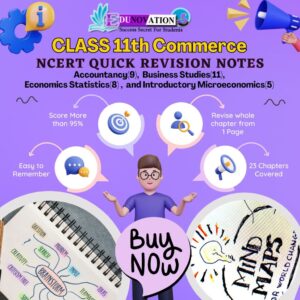
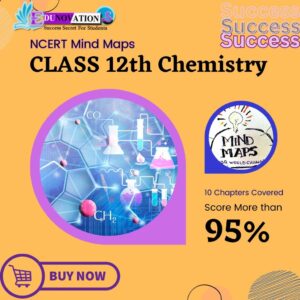
Toppers Use Mind Maps to score more than 95%
NCERT Class 11th Commerce Mind Maps
Add to cartOriginal price was: ₹999.00.₹199.00Current price is: ₹199.00.NCERT Class 12th Chemistry Mind Maps
Add to cartOriginal price was: ₹199.00.₹75.00Current price is: ₹75.00.NCERT Class 12th Commerce Mind Maps
Add to cartOriginal price was: ₹999.00.₹199.00Current price is: ₹199.00.NCERT Class 12th Science Mind Maps
Add to cartOriginal price was: ₹999.00.₹199.00Current price is: ₹199.00.NCERT Mind Maps For Class 10th
Add to cartOriginal price was: ₹999.00.₹199.00Current price is: ₹199.00.

Purchase Today
10 FAQs
- What is the AI clinical decision support system for UTI antimicrobial resistance developed by SSSIHL?
- It is an AI-based system that helps diagnose UTIs and recommend effective treatments while reducing antimicrobial resistance.
- Which award did SSSIHL win at the BRICS–ASEAN Tech Event 2025?
- SSSIHL won the bronze award for its innovative healthcare AI project.
- How does the AI clinical decision support system help in UTI treatment?
- The system analyzes patient data, predicts infection severity, and suggests evidence-based antibiotic treatments.
- Why is addressing antimicrobial resistance important in healthcare?
- AMR can lead to ineffective treatments and increased mortality; AI systems help mitigate this by guiding proper antibiotic use.
- Can students participate in developing AI healthcare systems at SSSIHL?
- Yes, students are actively involved in research and implementation through courses and innovation labs.
- What role do BRICS and ASEAN partnerships play in this project?
- These collaborations provide a platform to showcase innovations and adopt scalable solutions across multiple countries.
- Are there similar AI healthcare projects available for learning online?
- Students can access NCERT Courses, Videos, and Notes for learning AI applications in healthcare.
- How can universities implement AI clinical decision support systems?
- By fostering interdisciplinary research, partnering with tech firms, and integrating AI projects into curricula.
- What makes SSSIHL’s AI system unique?
- It combines machine learning with real-time clinical data and is tailored to reduce antimicrobial resistance in UTIs.
- Where can students find resources for innovation competitions?
- Students can refer to Current Affairs and MCQs to stay informed and prepare.