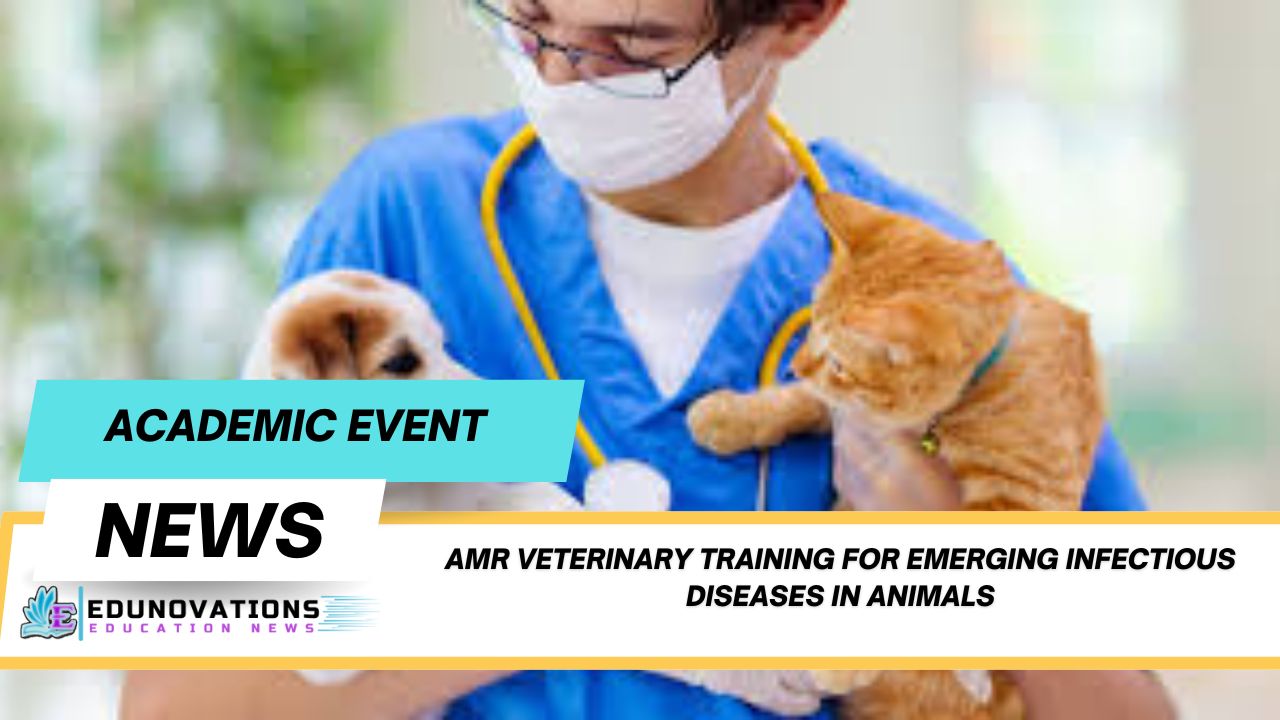
AMR veterinary training for emerging infectious diseases in animals strengthens diagnostic capacity, One Health preparedness, and antimicrobial resistance management in India.
India’s veterinary and animal health ecosystem is undergoing a significant transformation as AMR veterinary training for emerging infectious diseases in animals takes center stage in national disease preparedness efforts. With antimicrobial resistance (AMR) increasingly threatening livestock productivity, food safety, and public health, capacity-building programmes focusing on early diagnosis and responsible antimicrobial use are becoming essential pillars of sustainable animal husbandry.
A recent intensive training initiative conducted at the Eastern Regional Station (ERS) of the Indian Council of Agricultural Research – Indian Veterinary Research Institute (ICAR-IVRI), Kolkata, highlighted how targeted professional development can strengthen India’s response to emerging and re-emerging infectious diseases in both food and companion animals. The programme brought together veterinary officers, scientists, and field professionals from eastern and northeastern states, reinforcing a One Health approach to disease surveillance and antimicrobial stewardship.
Growing Threat of Emerging Infectious Diseases in Animals
Emerging infectious diseases in animals have increased globally due to climate change, intensified farming systems, animal movement, and human-animal interactions. India, with its vast livestock population, faces unique challenges in detecting and managing these diseases early.
Veterinary experts warn that without timely diagnosis and responsible drug use, infections such as brucellosis, lumpy skin disease, tuberculosis, and other zoonotic threats can escalate into large-scale outbreaks. This is where AMR veterinary training for emerging infectious diseases in animals becomes critically important, equipping frontline officers with updated diagnostic tools and knowledge.
According to animal health researchers, antimicrobial resistance already contributes to treatment failures in livestock, leading to economic losses for farmers and increasing the risk of resistant pathogens entering the human food chain.
Why AMR-Focused Veterinary Training Matters
Antimicrobial resistance has been recognised by global agencies as one of the top public health threats of the 21st century. In the veterinary sector, irrational antibiotic use accelerates resistance, affecting both animal and human health.
Specialised training programmes aim to:
- Improve understanding of antimicrobial resistance mechanisms
- Promote judicious antibiotic use in veterinary practice
- Strengthen laboratory diagnostic capabilities
- Encourage disease prevention over treatment
The AMR veterinary training for emerging infectious diseases in animals framework aligns with India’s National Action Plan on AMR and supports global commitments under the One Health strategy.
Inside the Five-Day Veterinary Diagnostic Training Programme
The structured five-day training programme at ERS-ICAR-IVRI Kolkata focused on hands-on learning and expert-led sessions. Participants were exposed to modern diagnostic modalities, laboratory techniques, and field-level disease investigation strategies.
Key areas covered during the programme included:
- Diagnostic approaches for emerging and re-emerging infections
- Laboratory biosafety and sample handling
- Surveillance strategies for zoonotic diseases
- Data management in antimicrobial resistance monitoring
- Disease reporting and early warning systems
Veterinary officers from Assam, West Bengal, and neighbouring regions actively participated, strengthening regional preparedness against infectious disease threats.
Strengthening One Health Through Veterinary Capacity Building
One Health recognises the interconnectedness of animal, human, and environmental health. Training initiatives focusing on antimicrobial resistance directly contribute to this integrated approach.
Experts noted that AMR veterinary training for emerging infectious diseases in animals helps bridge gaps between laboratory science and field-level implementation. It ensures that veterinarians understand not only how to diagnose diseases, but also how treatment choices impact long-term resistance patterns.
Such programmes also encourage collaboration between veterinary services, public health agencies, and environmental scientists, making disease control strategies more effective and sustainable.
Expert Insights on Antimicrobial Resistance
Senior veterinary scientists associated with ICAR-IVRI emphasised that antimicrobial resistance cannot be tackled through regulation alone. Capacity building and awareness among veterinary professionals are equally critical.
According to leading animal health experts, early diagnosis and evidence-based treatment decisions can reduce unnecessary antibiotic use by a significant margin. This directly supports the objectives of AMR veterinary training for emerging infectious diseases in animals, which prioritises prevention, surveillance, and responsible drug use.
International studies indicate that improved diagnostic capacity can reduce antimicrobial misuse in livestock by up to 30%, demonstrating the tangible benefits of training-driven interventions.
Impact on Livestock Farmers and Food Security
Beyond laboratories and training halls, the real impact of veterinary capacity building is felt at the grassroots level. Livestock farmers benefit when diseases are detected early and managed effectively.
Improved veterinary services lead to:
- Reduced livestock mortality
- Higher productivity and income stability
- Safer animal-derived food products
- Lower risk of disease transmission to humans
By strengthening disease surveillance networks, AMR veterinary training for emerging infectious diseases in animals indirectly supports national food security and rural livelihoods.
Companion Animals and Urban Health Concerns
While much attention is given to livestock, companion animals also play a role in the AMR ecosystem. Urban veterinary practices often rely heavily on antibiotics, increasing resistance risks.
The training programme addressed diagnostic strategies for companion animal diseases, ensuring that veterinarians apply the same principles of rational drug use across all animal categories. This balanced approach is essential in densely populated urban environments where close human-animal contact is common.
Role of Institutions in Veterinary Skill Development
Institutions like ICAR-IVRI play a central role in advancing veterinary science in India. Their regional stations act as hubs for knowledge dissemination, research translation, and professional training.
By organising programmes aligned with AMR veterinary training for emerging infectious diseases in animals, such institutions ensure that scientific advancements reach the field level. This strengthens trust in veterinary services and enhances India’s overall disease response capacity.
Digital Learning and Continuous Education
Experts increasingly advocate for blending physical training with digital learning platforms. Continuous education ensures that veterinary professionals stay updated with evolving pathogens and resistance patterns.
Veterinary aspirants and professionals can supplement their learning through structured resources such as:
- NCERT-based concept courses
- Current affairs updates for competitive exams
- Topic-wise notes and mind maps
- Practice MCQs and video lectures
These resources help bridge theoretical knowledge and practical application, reinforcing lessons learned during in-person training.
Linking Training Outcomes to Policy Goals
India’s animal health policies increasingly emphasise preventive care, surveillance, and antimicrobial stewardship. Training initiatives act as enablers, translating policy goals into field-level action.
By empowering veterinary officers with updated diagnostic skills, AMR veterinary training for emerging infectious diseases in animals supports evidence-based policymaking. Data generated from trained professionals feeds into national surveillance systems, improving outbreak prediction and response.
Long-Term Benefits for Public Health
The implications of veterinary AMR training extend beyond animals. Reduced antimicrobial misuse in livestock lowers the risk of resistant bacteria entering the human population through food, water, and direct contact.
Public health experts acknowledge that investments in veterinary capacity building yield long-term dividends in disease prevention and healthcare cost reduction. This reinforces the importance of sustained funding and institutional support for such programmes.
Way Forward: Scaling Up Training Initiatives
While regional programmes have shown promising results, experts recommend scaling up AMR veterinary training for emerging infectious diseases in animals across all states. This includes:
- Expanding training coverage to remote districts
- Strengthening laboratory infrastructure
- Encouraging interdisciplinary collaboration
- Integrating AMR modules into veterinary curricula
Such measures will ensure uniform standards of veterinary practice nationwide.
Toppers Use Mind Maps to score more than 95%
NCERT Class 11th Commerce Mind Maps
Add to cartOriginal price was: ₹999.00.₹199.00Current price is: ₹199.00.NCERT Class 12th Chemistry Mind Maps
Add to cartOriginal price was: ₹199.00.₹75.00Current price is: ₹75.00.NCERT Class 12th Commerce Mind Maps
Add to cartOriginal price was: ₹999.00.₹199.00Current price is: ₹199.00.NCERT Class 12th Science Mind Maps
Add to cartOriginal price was: ₹999.00.₹199.00Current price is: ₹199.00.NCERT Mind Maps For Class 10th
Add to cartOriginal price was: ₹999.00.₹199.00Current price is: ₹199.00.





Purchase Today
FAQs on AMR Veterinary Training and Emerging Animal Diseases
1. What is AMR veterinary training for emerging infectious diseases in animals?
It is a specialised capacity-building programme focused on diagnosing animal diseases while promoting responsible antimicrobial use.
2. Why is antimicrobial resistance a concern in veterinary practice?
AMR leads to treatment failures, economic losses, and increased risk of resistant infections spreading to humans.
3. Who benefits from AMR-focused veterinary training?
Veterinary officers, livestock farmers, companion animal owners, and public health systems benefit directly and indirectly.
4. How does veterinary training support the One Health approach?
It integrates animal, human, and environmental health perspectives in disease surveillance and control.
5. Which diseases are commonly addressed in such training programmes?
Diseases like brucellosis, tuberculosis, lumpy skin disease, and other zoonotic infections are key focus areas.
6. How does improved diagnosis reduce antimicrobial misuse?
Accurate diagnosis prevents unnecessary antibiotic prescriptions and promotes targeted treatment.
7. Are companion animals included in AMR veterinary training for emerging infectious diseases in animals?
Yes, diagnostic and treatment strategies for companion animals are also covered.
8. How does this training help livestock farmers?
It leads to early disease detection, reduced losses, and improved productivity.
9. Can veterinary students benefit from such training insights?
Yes, the knowledge enhances academic understanding and practical readiness.
10. Why should AMR veterinary training be expanded nationwide?
Uniform training ensures consistent disease control standards and strengthens national biosecurity.