
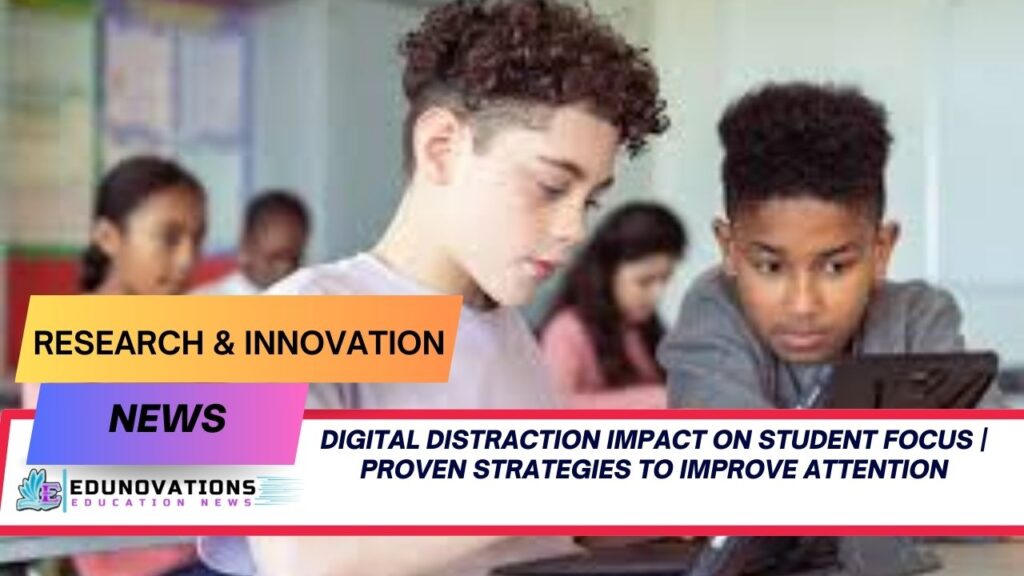
Explore how digital distraction impacts student focus and learn effective strategies, including digital detox tips and screen time management, to boost concentration.
In today’s hyperconnected world, digital distraction impact on student focus has become a pressing concern for educators, parents, and students alike. The pervasive presence of smartphones, social media, and online learning platforms, while offering unprecedented access to knowledge, also poses significant challenges to maintaining attention. Students across the globe are experiencing shorter attention spans, decreased productivity, and increased stress due to constant notifications and multitasking.
Understanding the mechanisms of digital distraction and implementing effective strategies is crucial not only for academic performance but also for overall mental well-being. In this article, we delve into the causes, effects, and solutions surrounding attention management in a digital landscape.
The Science Behind Digital Distractions
Recent studies highlight that multitasking with digital devices can reduce cognitive performance and impair memory retention. According to a report published by the American Psychological Association, students who frequently switch between tasks online demonstrate a 40% reduction in comprehension and retention compared to focused learning sessions.
Neuroscientists explain that the brain’s executive control system, responsible for focus and decision-making, gets overloaded by constant notifications, pop-ups, and social media alerts. Over time, this can lead to decreased attention span, poor task completion, and even burnout.
Key factors contributing to digital distractions among students include:
- Excessive social media usage
- Online gaming and streaming platforms
- Frequent messaging and notifications
- Multitasking during study sessions
These factors directly impact the effects of social media on concentration span, leading to fragmented attention and reduced academic efficiency.
How to Improve Attention in Online Education
With the shift toward online education, students face unique challenges. Virtual classrooms, online assessments, and digital assignments demand sustained focus, yet the online environment is rife with distractions. Educators and students can adopt several strategies to improve attention in online education:
- Structured Study Schedules: Divide study sessions into focused intervals with short breaks (Pomodoro technique).
- Limit Multitasking: Focus on one digital task at a time to enhance comprehension.
- Use Productivity Tools: Apps like Forest or StayFocusd help minimize distractions.
- Optimize Learning Environment: Designate a quiet, well-lit space free from unnecessary devices.
- Incorporate Active Learning: Engage with quizzes, mind maps, and interactive content from NCERT Courses to reinforce focus.
Internal Resource Link: For additional study materials, students can explore NCERT Courses here.
Digital Detox Tips for Students and Youth
Experts emphasize the importance of a digital detox to combat the negative effects of technology overuse. Digital detox strategies involve intentional breaks from devices to reset focus and reduce stress.
Effective digital detox tips include:
- Screen-free periods: Allocate at least 2 hours daily without screens.
- Physical activity: Engage in sports or yoga to stimulate the brain naturally.
- Mindfulness and meditation: Practices like deep breathing and meditation improve attention span.
- Social engagement: Spend time with friends and family offline to reinforce social skills and reduce dependency on devices.
A study by Stanford University found that students practicing regular digital detox sessions reported a 30% increase in sustained attention during study periods.
Managing Screen Time for Better Focus
Screen time management is critical in preserving attention. Excessive exposure to screens, especially before bedtime, can interfere with sleep cycles and cognitive performance.
Tips for managing screen time effectively:
- Set daily screen time limits for social media and entertainment apps.
- Use night mode or blue light filters to minimize eye strain.
- Schedule dedicated study times without device interruptions.
- Track screen time usage with apps like RescueTime or Moment.
By consciously managing digital interactions, students can reduce the digital distraction impact on student focus and foster healthier learning habits.
Role of Educators and Institutions
Teachers and educational institutions play a pivotal role in addressing attention issues in digital learning environments. Incorporating strategies such as:
- Interactive sessions and group discussions
- Gamified learning modules
- Timed assessments to encourage focused participation
These measures not only improve concentration but also help students adapt to the evolving digital education ecosystem. Schools can collaborate with tech providers to integrate attention-monitoring tools that track engagement levels during online classes.
External Resource Link: For school technology solutions, visit Mart Ind Infotech here.
Expert Insights
Dr. Anjali Mehra, an educational psychologist, notes:
“Students today are inundated with digital stimuli, which makes it imperative to cultivate intentional focus strategies. Simple practices like scheduled breaks and screen-free study zones can significantly enhance cognitive performance.”
Similarly, Dr. Raghav Sharma, a neuroscientist at the Indian Institute of Science, explains that “chronic exposure to social media notifications rewires the brain for constant reward-seeking behavior, reducing attention spans over time.”
These expert opinions underline the necessity of proactive measures to counteract the negative effects of technology on learning.
Incorporating Mind Maps and Notes for Improved Focus
Using visual tools such as NCERT Mind Maps and detailed notes helps students organize information efficiently and retain knowledge longer. These tools encourage active engagement with the content rather than passive scrolling through online resources.
Internal Resource Links:
- For Notes: https://edunovations.com/notes/
- For NCERT Mind Maps: https://courses.edunovations.com/shop-2/
Balancing Digital Consumption and Offline Activities
Maintaining a balance between online learning and offline activities is crucial. Overreliance on digital media can lead to reduced attention spans and diminished social interactions. Students are encouraged to:
- Dedicate time to hobbies, arts, and sports.
- Engage in group studies or offline discussions.
- Practice mindfulness techniques such as journaling or meditation.
Implementing these habits reduces the effects of social media on concentration span and improves mental well-being.
Key Takeaways
- Digital distraction impact on student focus is a growing concern in the era of online education.
- Structured schedules, single-task focus, and digital detox strategies can significantly enhance attention.
- Screen time management and mindful device use are essential for cognitive health.
- Educators and institutions have a critical role in fostering focused learning environments.
By understanding these factors and implementing targeted strategies, students can navigate the challenges of a digital world while maintaining high levels of productivity and mental well-being.
Toppers Use Mind Maps to score more than 95%
-
NCERT Class 11th Commerce Mind Maps
Add to cartOriginal price was: ₹999.00.₹199.00Current price is: ₹199.00. -
NCERT Class 12th Chemistry Mind Maps
Add to cartOriginal price was: ₹199.00.₹75.00Current price is: ₹75.00. -
NCERT Class 12th Commerce Mind Maps
Add to cartOriginal price was: ₹999.00.₹199.00Current price is: ₹199.00. -
NCERT Class 12th Science Mind Maps
Add to cartOriginal price was: ₹999.00.₹199.00Current price is: ₹199.00. -
NCERT Mind Maps For Class 10th
Add to cartOriginal price was: ₹999.00.₹199.00Current price is: ₹199.00.



Purchase Today
10 FAQs
1. How can digital distraction impact student focus?
Digital distractions from social media, messaging apps, and multitasking reduce comprehension, memory retention, and attention span.
2. What are the best ways to improve attention in online education?
Structured study schedules, limiting multitasking, using productivity apps, and creating a distraction-free study environment are highly effective.
3. How does social media affect concentration span in students?
Frequent notifications and constant content updates train the brain to expect immediate rewards, decreasing sustained focus.
4. What digital detox tips are recommended for students and youth?
Screen-free periods, physical activity, mindfulness, and offline social engagement can restore attention and reduce stress.
5. How can managing screen time improve student focus?
By setting limits, using blue light filters, and tracking usage, students can reduce distractions and enhance cognitive performance.
6. What role do educators play in combating digital distractions?
Teachers can implement interactive sessions, gamified learning, and timed assessments to maintain student engagement.
7. Are mind maps effective for improving attention?
Yes, visual learning tools like mind maps help organize information, encourage active engagement, and improve memory retention.
8. How can students balance digital and offline activities?
Allocating time for hobbies, sports, offline group studies, and meditation helps balance screen exposure and enhance focus.
9. Which productivity apps help in managing digital distractions?
Apps like Forest, StayFocusd, RescueTime, and Moment are effective for tracking and limiting screen time.
10. Can regular digital detox improve learning outcomes?
Studies show that students who regularly practice digital detox experience increased attention spans and improved academic performance.