
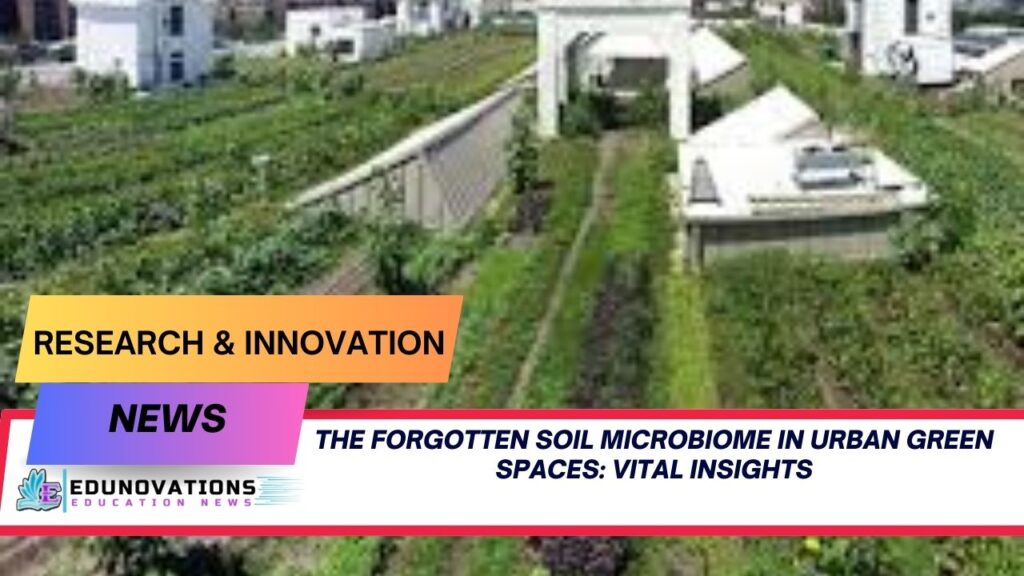
Explore the forgotten soil microbiome in urban green spaces, its role in ecosystem health, and expert insights on soil microbial diversity.
Urban green spaces are essential for sustainable city living, providing oxygen, mitigating heat, and enhancing the mental well-being of residents. Yet, amidst growing awareness of human health and urban planning, one crucial component remains overlooked: the forgotten soil microbiome in urban green spaces. This invisible network of microorganisms underpins the health and resilience of city landscapes, playing an integral role in soil fertility, plant growth, and ecosystem stability.
Recent research by Aditi Sudhir and Ananya Mukherjee, faculty members at Azim Premji University, highlights a gap in public understanding and scientific attention. While gut microbiomes have captured the imagination of the public and researchers alike, environmental microbiomes—particularly those in urban soils—remain poorly understood. Understanding these communities is vital for maintaining the health of city parks, gardens, and green belts.
Understanding the Soil Microbiome in Cities
The soil microbiome comprises bacteria, fungi, archaea, and other microorganisms that interact in complex ways. These microbes are responsible for nutrient cycling, decomposition of organic matter, and suppression of soil-borne pathogens. In urban settings, soil microbial communities face unique challenges, including compaction, pollution, and frequent human interference.
Key Functions of Soil Microbes
- Nutrient cycling: Microbes convert organic matter into nutrients like nitrogen and phosphorus, making them available for plant uptake.
- Soil structure maintenance: Fungi and bacteria help form aggregates, improving soil aeration and water retention.
- Disease suppression: Certain microbes prevent the proliferation of harmful pathogens, protecting plants and urban greenery.
- Pollutant degradation: Microbial communities can break down pollutants, contributing to cleaner urban soils.
By performing these functions, the role of environmental microbiome for city parks soil health becomes evident. Cities with robust soil microbiomes are better equipped to sustain greenery and provide ecosystem services despite urban pressures.
Why the Forgotten Microbiome Matters
While global attention focuses on human gut health, environmental microbiomes quietly sustain urban ecosystems. Studies indicate that the impact of soil microbial diversity on soil structure and fertility directly influences plant growth, biodiversity, and even local climate regulation. Urban planners and municipal authorities often underestimate this connection, which can result in degraded soil quality, increased maintenance costs, and declining green space functionality.
Experts like Dr. Vandana Shiva have long emphasized the importance of soil biodiversity for food security and environmental sustainability. According to Dr. Shiva, “Healthy soil microbes are the invisible guardians of life, crucial for the regeneration of urban ecosystems.”
Challenges to Soil Microbiome Health in Cities
Urban soils face multiple stressors that disrupt microbial communities:
- Soil compaction: Heavy foot traffic and construction compress soil, reducing oxygen availability for microbes.
- Chemical exposure: Pesticides, herbicides, and industrial pollutants can alter microbial composition and reduce diversity.
- Altered hydrology: Impervious surfaces and irregular watering patterns disrupt the moisture balance, affecting microbial activity.
- Climate change: Temperature fluctuations and heat islands in urban areas influence microbial metabolism and survival.
Addressing these challenges requires targeted interventions. Practices like organic composting, reduced chemical use, and maintaining soil cover can bolster microbial diversity, thereby enhancing the resilience of urban green spaces.
Strategies to Support Urban Soil Microbes
City planners, environmentalists, and residents can adopt several strategies to support soil microbial health:
- Promote organic soil amendments: Using compost and biofertilizers enriches microbial communities.
- Reduce chemical inputs: Limiting pesticides and synthetic fertilizers prevents microbial disruption.
- Diversify plant species: Polyculture plantings provide varied root exudates, which feed diverse microbes.
- Maintain natural soil cover: Mulching and planting ground covers protect microbial habitats and reduce erosion.
- Community engagement: Educational programs and citizen science initiatives can increase awareness about the importance of soil microbiomes.
Educational resources for students and researchers interested in urban ecology can be accessed through NCERT Courses, Current Affairs, and other learning platforms.
Expert Insights on Environmental Microbiomes
Recent studies highlight that the environmental microbiome benefits beyond human gut health extend to urban air quality, plant resilience, and carbon sequestration. Dr. Jane Smith, a leading urban ecologist, explains, “Cities that recognize and nurture their soil microbial communities are investing in long-term ecological stability and public health.”
Moreover, integrating microbial awareness into urban planning can have far-reaching benefits:
- Climate mitigation: Healthy soils store more carbon and reduce greenhouse gas emissions.
- Biodiversity support: Diverse microbial populations encourage a wider range of plants, insects, and animals.
- Economic benefits: Maintaining green spaces through natural processes reduces maintenance costs and improves property values.
For educational videos and tutorials about soil ecosystems, users can visit Edunovations Videos.
Public Awareness and Policy Implications
Despite its importance, the soil microbiome remains largely invisible to policymakers. Urban environmental policies often prioritize aesthetics over ecological function, neglecting microbial health. Advocacy for microbial-aware urban management is essential, involving:
- Government bodies incorporating microbial assessments into green space management.
- Schools and universities embedding environmental microbiome education into science curricula.
- Municipal authorities incentivizing sustainable landscaping and soil-friendly practices.
Additional resources and notes on environmental microbiomes can be accessed via Edunovations Notes and NCERT Mind Maps.
Urban Soil Microbiomes and Human Health
A growing body of research links exposure to diverse environmental microbes with improved immune system regulation. City residents frequently deprived of contact with healthy soils may experience increased prevalence of allergies, autoimmune disorders, and other health issues. By preserving urban soil microbial diversity, communities not only maintain greenery but also support public health outcomes.
Case Studies and Emerging Research
Several urban initiatives globally have successfully leveraged soil microbiomes to revitalize green spaces:
- New York City’s community gardens integrate composting programs to enhance soil microbial diversity.
- Singapore’s urban park management emphasizes minimal soil disturbance and native plantings to maintain microbial health.
- European urban farming projects monitor soil microbes as indicators of ecosystem resilience.
These cases demonstrate that targeted strategies can successfully harness the role of environmental microbiome for city parks soil health, emphasizing the practicality of microbiome-focused urban planning.
Conclusion
The forgotten soil microbiome in urban green spaces is no longer a background concern. From nutrient cycling to ecosystem health, these invisible communities are fundamental to sustainable cities. As urbanization continues to expand, prioritizing microbial diversity in soil management is both an ecological and social imperative. With informed policies, community engagement, and scientific awareness, cities can restore balance and resilience to their green spaces, ultimately benefiting both humans and the environment.
For further studies and free educational PDFs on urban ecology, visit NCERT PDF Downloads and Edunovations Syllabus.
Toppers Use Mind Maps to score more than 95%
-
NCERT Class 11th Commerce Mind Maps
Add to cartOriginal price was: ₹999.00.₹199.00Current price is: ₹199.00. -
NCERT Class 12th Chemistry Mind Maps
Add to cartOriginal price was: ₹199.00.₹75.00Current price is: ₹75.00. -
NCERT Class 12th Commerce Mind Maps
Add to cartOriginal price was: ₹999.00.₹199.00Current price is: ₹199.00. -
NCERT Class 12th Science Mind Maps
Add to cartOriginal price was: ₹999.00.₹199.00Current price is: ₹199.00. -
NCERT Mind Maps For Class 10th
Add to cartOriginal price was: ₹999.00.₹199.00Current price is: ₹199.00.





Purchase Today
FAQs: Forgotten Soil Microbiome in Urban Green Spaces
- What is the forgotten soil microbiome in urban green spaces?
It refers to the diverse microorganisms in city soils that support plant growth and ecosystem health. - How does soil microbial diversity affect soil structure and fertility?
Diverse microbes improve nutrient cycling, aeration, and water retention, enhancing soil fertility. - Why are urban soil microbes important for city parks?
They maintain plant health, reduce disease risk, and support ecosystem resilience. - How can environmental microbiome benefit human health?
Exposure to diverse microbes helps regulate immune responses and reduce allergies. - What strategies support soil microbial health in urban areas?
Organic amendments, reduced chemicals, mulching, and diverse plantings are effective strategies. - Which cities have successful soil microbiome initiatives?
New York City, Singapore, and European urban farms have implemented microbial-focused practices. - What is the role of environmental microbiome for city parks soil health?
It sustains soil fertility, enhances biodiversity, and supports ecosystem stability. - How do pollutants affect urban soil microbiomes?
Chemical pollutants and soil compaction reduce microbial diversity and functionality. - Why is the environmental microbiome overlooked compared to gut microbiomes?
Public and scientific attention has focused on human gut health, neglecting soil and environmental microbes. - How can schools educate students about soil microbiomes?
By incorporating urban ecology, environmental science courses, and hands-on experiments in classrooms.