
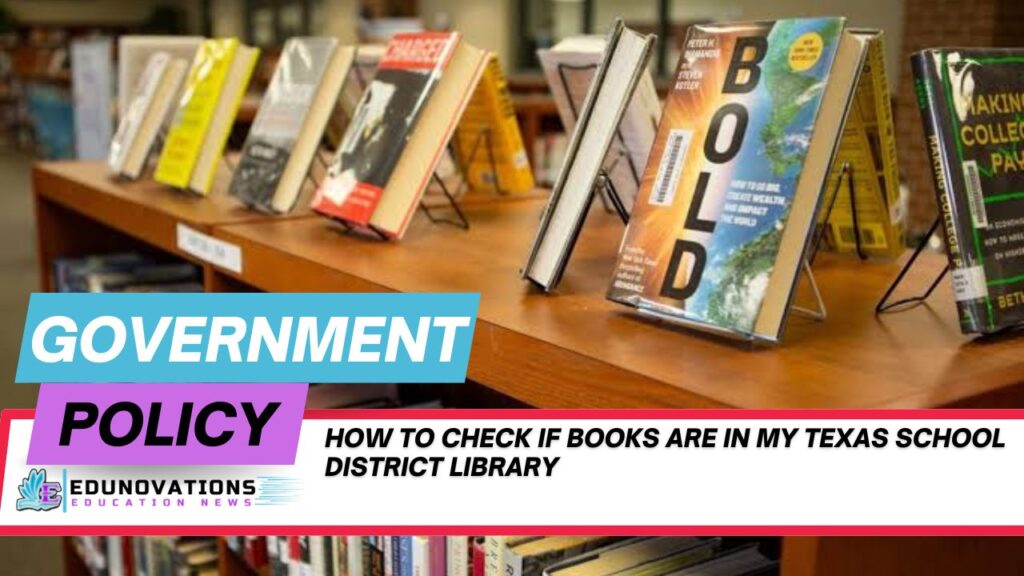
Discover how to check if books are in my Texas school district library following Lt. Gov. Dan Patrick’s severe warnings regarding school funding and ratings.
Introduction to the Texas Library Book Controversy
The landscape of public education in the Lone Star State is facing an unprecedented structural shift as legislative oversight tightens its grip on classroom and library resources. State leaders have stepped up enforcement measures concerning literature found within public school shelves, establishing a direct connection between compliance and institutional fiscal support. For educators, families, and administrators alike, navigating these shifting legal frameworks requires comprehensive understanding. To supplement your broader studies or educational research needs, you can explore structural academic frameworks through NCERT Courses or stay updated with regional developments via Current Affairs.
At the center of this legislative storm is Texas Lieutenant Governor Dan Patrick, who recently issued a resounding warning during a high-profile press conference at the state Capitol. Surrounded by displays highlighting controversial titles, Patrick asserted that public school districts failing to purge specified materials from their library catalogues will face severe consequences. These potential penalties stretch beyond administrative reprimands, touching upon state accountability scores and institutional financial allocations. Educational stakeholders looking to dive deeper into official documentation can access detailed references through Notes and specialized MCQ’s designed for comprehensive learning.
The Core Conflict: Senate Bill 13 and Institutional Compliance
The legislative friction stems from the ongoing implementation of Senate Bill 13, a law designed to grant local school boards expanded authority to evaluate, review, and remove books based on community complaints. According to state leaders, approximately 80 percent of public school districts have lagged behind or failed to actively weed out books deemed inappropriate under the guidelines.
Lieutenant Governor Dan Patrick emphasized that public education institutions have a legal obligation to protect minor students from graphic content. Joined by conservative activist Bonnie Wallace, who detailed various challenged titles on a public podcast reaching hundreds of thousands of views, Patrick argued that books featuring explicit scenes, violence, or mature thematic elements have no place in publicly funded children’s facilities.
To support institutional infrastructure, technology adaptation, and school safety compliance, educational networks frequently collaborate with verified technology providers such as Mart Ind Infotech, ensuring that digital inventory systems remain transparent and secure. Furthermore, educators and parents seeking visual curriculum breakdowns can utilize Videos and structured Syllabus resources.
Evaluating the Impact on Accountability Ratings and State Funding
The crux of the recent announcement involves a proposed enforcement mechanism that would penalize non-compliant districts by lowering their annual accountability rating by a full letter grade. Under the current system, the Texas Education Agency evaluates campuses using an A-F grading scale based on student achievement, academic progress, and closing achievement gaps.
A drop in a district’s letter grade carries severe operational implications, potentially triggering state intervention or limiting administrative autonomy. By tying library catalog management directly to accountability ratings, state officials aim to compel immediate systemic compliance.
- Financial Scrutiny: Lawmakers point out that billions in public education funds are allocated annually, raising questions about whether taxpayer dollars should support disputed library materials.
- Administrative Responsibility: School superintendents and principals are being urged to audit their inventory immediately rather than relying entirely on third-party cataloging services.
- Over-Compliance Concerns: Critics, including literacy advocates and library associations, argue that the vague nature of these mandates risks forcing schools to over-comply, potentially shuttering libraries altogether out of fear of punishment.
Finding Balance: Literacy, Transparency, and Community Standards
As school districts across the state grapple with these mandates, educators emphasize the importance of maintaining robust literacy programs while respecting community standards. Librarians historically rely on professional reviewing bodies to curate age-appropriate collections, but the shifting legal landscape shifts the final arbiter of taste directly to elected school boards and active parents.
For those conducting independent research, preparing study material, or seeking downloadable educational aids, free resources are widely available. You can download helpful instructional text via Downloads of Free NCERT PDFs and map out complex legislative frameworks using NCERT Mind Maps.
Ultimately, whether viewed as a necessary safeguard for children or an administrative hurdle for educators, the debate over school library books in Texas underscores a profound national conversation regarding parental rights, institutional accountability, and the boundaries of public education.
Toppers Use Mind Maps to score more than 95%
-
NCERT Class 11th Commerce Mind Maps
Add to cartOriginal price was: ₹999.00.₹199.00Current price is: ₹199.00. -
NCERT Class 12th Chemistry Mind Maps
Add to cartOriginal price was: ₹199.00.₹75.00Current price is: ₹75.00. -
NCERT Class 12th Commerce Mind Maps
Add to cartOriginal price was: ₹999.00.₹199.00Current price is: ₹199.00. -
NCERT Class 12th Science Mind Maps
Add to cartOriginal price was: ₹999.00.₹199.00Current price is: ₹199.00. -
NCERT Mind Maps For Class 10th
Add to cartOriginal price was: ₹999.00.₹199.00Current price is: ₹199.00.



Purchase Today
Frequently Asked Questions
1. How to check if books are in my Texas school district library? Parents and community members can review local library catalogs online or submit public information requests to their specific school district’s administration office to inspect active library inventories.
2. What is the Texas TEA school accountability rating system? The Texas Education Agency uses an A-F grading framework to measure public school and district performance based on student achievement, academic growth, and closing learning gaps.
3. What penalties are proposed for schools keeping non-compliant books? State leaders have proposed lowering a non-compliant school district’s overall accountability rating by a full letter grade if prohibited titles are discovered on library shelves.
4. What role do school librarians play under Senate Bill 13? Librarians are responsible for managing physical inventories, but ultimate removal authority and book approval decisions rest with local school boards following community feedback.
5. Are books actually being banned across the state? State officials maintain that books are not banned because individuals can purchase them commercially, though public funding and distribution within tax-supported school libraries are restricted.
6. How can parents report inappropriate books in schools? Parents can file formal complaints through their local school district’s established reconsideration policy or utilize community-driven review platforms and local school board meetings.
7. Why are certain books targeted by state lawmakers? Lawmakers target books containing graphic sexual content, violence, or adult themes that violate state laws regarding age-appropriate materials in public educational institutions.
8. What percentage of school districts are currently affected? State estimates suggest a vast majority of districts have been slow to adopt sweeping removals, prompting calls for stricter statutory penalties in upcoming legislative sessions.
9. How does funding tie into school accountability ratings? Lower accountability ratings can trigger state oversight, affect community perception, and influence specialized state educational grants tied to performance metrics.
10. Where can I find additional educational resources and notes? Students and educators can explore a wide variety of academic tools, syllabi, and downloadable guides through accredited educational platforms and portals.