
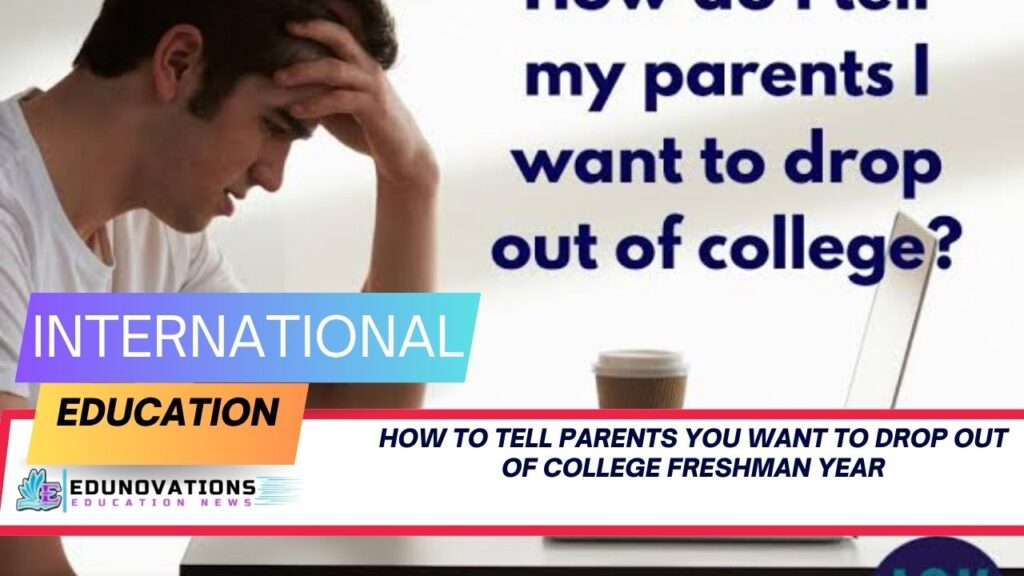
Discover why Gen Z freshmen are leaving campus early and learning how to tell parents you want to drop out of college freshman year with proven advice.
Across university campuses nationwide, a subtle yet profound shift is transforming the traditional higher education experience. Just weeks into the academic term, higher education institutions are witnessing an unprecedented wave of first-year students choosing to pack up their dorm rooms, leave physical campus life behind, and return to their childhood bedrooms. While dropping out or switching academic tracks was historically viewed as a rare mid-year decision, modern Gen Z freshmen are making the choice mere days or weeks into their first semester.
Rather than abandoning their higher education goals entirely, a significant majority of these students are transitioning to flexible distance education. They are seeking academic credentials without the accompanying physical campus life, steep housing fees, and social pressures. This growing cultural trend has sparked nationwide discussions among parents, academic counselors, and mental health professionals regarding student readiness, financial sustainability, and the true purpose of higher education in a post-pandemic era.
Understanding the Great Freshman Exodus: Societal Shifts and Student Challenges
To comprehend why so many eighteen-year-olds are stepping away from traditional residence halls, education analysts point to a confluence of economic pressure, changing psychological landscapes, and altered high school preparation environments.
1. Post-Pandemic Learning Habits and Social Comfort
Many current college freshmen completed pivotal high school years during periods of remote or hybrid learning. Having mastered virtual coursework from the comfort of their home bedrooms, the sudden transition to high-density dormitories, communal dining halls, and large-lecture public speaking requirements can present a severe shock. For students who developed effective study habits in quiet home settings, traditional campus living often feels less like an exciting adventure and more like an overwhelming environment. When faced with these challenges, many students actively evaluate how to tell parents you want to drop out of college freshman year to preserve their emotional health and personal well-being.
2. Soaring Living Costs vs. Pure Academic Value
With tuition, room, and board fees rising consistently across private and public universities, families are increasingly scrutinizing the financial ROI of the complete campus residency experience. When students realize that staying on campus costs tens of thousands of dollars extra for housing and meal plans, many elect to cut unnecessary expenses. By switching to remote degree programs while living at home, students can earn identical university credits at a fraction of the total expense.
3. Mental Health, Autonomy, and Severe Homesickness
Transitioning to young adulthood has always carried emotional hurdles, but anxiety levels among Gen Z youth have reached historic heights. Severe homesickness, social anxiety, and academic overwhelm often manifest early in the first semester. Rather than enduring months of emotional distress far from family support networks, young adults are taking proactive control of their mental health by returning home to re-evaluate their educational trajectory.
Expert Perspectives and Public Reactions on the “Boomerang” Trend
The decision to exit campus life early has drawn commentary from prominent media figures, educational experts, and public commentators across the country.
During a discussion on Fox News’s national television program Outnumbered, co-host Kayleigh McEnany, former White House Press Secretary and Georgetown University Law Center graduate, shared her personal reflection on the emotional hardship of leaving home for university life:
“I would cry in the airport, and my mom was like, ‘You’ve gotta get on the plane, you’ve gotta go back …’ And it was tough, but I’m so glad she pushed me.”
Her experience highlights the traditional approach of pushing through early discomfort to build personal resilience. However, many contemporary educators argue that pushing through isn’t always the right prescription for every young adult.
Prominent higher education policy analysts note that the modern job market values specialized skills, flexible certificates, and practical knowledge far more than traditional campus participation. When students recognize that their ultimate career goals do not require four years of residential campus living, choosing to leave campus early becomes a practical decision rather than a failure.
For students and families seeking structured academic solutions during educational transitions, exploring comprehensive resources such as NCERT Courses and reviewing official subject details through a updated Syllabus can help maintain continuous learning progress outside the traditional classroom setup.
Step-by-Step Guide: Navigating the Conversation With Your Family
Deciding to step away from campus life is a heavy burden, but communicating that choice clearly to your family is often the most daunting obstacle for a first-year student. If you find yourself drafting plans and questioning how to tell parents you want to drop out of college freshman year without damaging your relationships, follow this structured, mature framework.
Phase 1: Prepare Your Alternative Action Plan
Parents react with anxiety when a drop-out decision appears impulsive or emotional. Before initiating the conversation, draft a clear plan for your immediate next steps:
- Are you transferring to an online degree program?
- Will you be taking community college classes locally?
- Do you plan to secure a full-time or part-time job to contribute to household expenses?
Having an alternative plan ready demonstrates adult maturity and personal responsibility. Students seeking structured study materials during this transition can utilize free study tools like NCERT Mind Maps to prepare for upcoming academic benchmarks or competitive entrance exams.
Phase 2: Choose the Right Time and Location
Avoid bringing up your desire to leave school during a rushed phone call or in the middle of a heated argument about grades. Schedule a dedicated video call or in-person talk when both you and your parents are calm and free from immediate distractions.
Phase 3: Communicate With Honesty and Ownership
Focus on “I” statements rather than placing blame on the university or your family’s expectations. Clearly express where your current environment falls short and how returning home aligns with your long-term educational and career objectives. Frame your decision as a strategic pivot toward a more sustainable path.
+------------------------------------------------------------------------------------+
|               ACTION PLAN FOR FRESHMEN TRANSITIONING BACK HOME                     |
+------------------------------------------------------------------------------------+
|  1. Academic Audit      --> Confirm credit transferability to online programs.      |
|  2. Financial Assessment --> Review housing refund deadlines and tuition caps.       |
|  3. Family Dialogue    --> Present a clear schedule for work, study, and chores.   |
|  4. Resource Setup      --> Establish a quiet, productive home study space.        |
+------------------------------------------------------------------------------------+
Life After Campus: Building Success from the Comfort of Home
Returning to your childhood bedroom does not mean putting your future on pause. Thousands of young adults thrive after making the leap back home by establishing disciplined daily routines and pursuing flexible learning opportunities.
Establishing Household Boundaries
When moving back in with parents as an adult student, household dynamics must evolve. Mental health counselors recommend establishing clear ground rules regarding:
- Daily wake-up times and study hours.
- Equitable division of domestic chores and meal preparation.
- Financial contributions toward groceries or personal utility expenses.
- Respect for personal space and quiet study hours.
Staying Academically and Professionally Active
To maintain steady intellectual momentum while studying from home, students should leverage structured educational tools. You can practice skills using curated interactive MCQ’s, review essential concepts via detailed Notes, and download academic reference materials through Free NCERT PDFs Downloads to build a solid foundation across core disciplines.
Furthermore, staying well-informed on global and domestic developments by reading daily updates on Current Affairs ensures you remain competitive for future career opportunities and civil service examinations.
For educational institutions and regional school networks looking to upgrade their digital presence or transition to modern online learning infrastructure, contacting digital transformation specialists at Mart India Infotech offers authoritative technical guidance for seamless web development.
Educational Pathways: Traditional Campus vs. Remote Home Learning
| Evaluation Criteria | Traditional Campus Residency | Remote Home-Based Degree Program |
| Annual Housing & Board Expenses | High ($10,000 – $18,000 per year) | Minimal to None |
| Schedule Flexibility | Rigid lecture times and physical attendance | Highly flexible / Self-paced learning |
| Social Environment | High-density peer immersion | Local community & family-focused |
| Mental Health Impact | High potential for social fatigue & stress | Familiar, supportive environment |
| Academic Focus | Balanced with campus activities | Strictly focused on course content |
| Prerequisites & Testing Prep | On-site institutional support | Self-directed learning using Videos |
Practical Checklist for Students Returning Home
If you have made the firm decision to move back home, follow this operational checklist to ensure a smooth administrative transition:
- Meet with Academic Advising: Discuss formal withdrawal protocols or immediate program transfers to prevent unnecessary academic penalties or failing grades on your permanent transcript.
- Consult Financial Aid Officers: Review how leaving campus housing affects grants, scholarships, or student loan disbursements. Act swiftly before key refund deadlines pass.
- Notify Housing and Residential Life: Formally submit your dorm cancellation paperwork, return room keys, and request a prorated refund for remaining dining hall credits.
- Organize Your Home Workspace: Transform a quiet area of your home into an efficient desk workspace equipped with high-speed internet and reliable study materials.
- Establish a Daily Routine: Treat online coursework with the same rigor as an in-person job. Set strict hours for studying, physical exercise, and social interaction outside the home.
Toppers Use Mind Maps to score more than 95%
-
NCERT Class 11th Commerce Mind Maps
Add to cartOriginal price was: ₹999.00.₹199.00Current price is: ₹199.00. -
NCERT Class 12th Chemistry Mind Maps
Add to cartOriginal price was: ₹199.00.₹75.00Current price is: ₹75.00. -
NCERT Class 12th Commerce Mind Maps
Add to cartOriginal price was: ₹999.00.₹199.00Current price is: ₹199.00. -
NCERT Class 12th Science Mind Maps
Add to cartOriginal price was: ₹999.00.₹199.00Current price is: ₹199.00. -
NCERT Mind Maps For Class 10th
Add to cartOriginal price was: ₹999.00.₹199.00Current price is: ₹199.00.




Purchase Today
Frequently Asked Questions (FAQs)
1. How do I know if leaving my college dorm early is the right choice for me?
If living on campus causes severe, prolonged anxiety that interferes with your ability to eat, sleep, or study, stepping back to evaluate your options is often a healthy choice. Consider whether your main issue is temporary adjustment stress or a fundamental mismatch with residential campus life. Knowing how to tell parents you want to drop out of college freshman year allows you to open an honest dialog about transitioning to a more suitable environment.
2. Is quitting college freshman year to switch to online degree program bad for my future career?
Not at all. Modern employers prioritize accredited degrees, practical skills, and relevant experience far more than whether your coursework was completed in a physical dormitory or online at home. Switching to an accredited online program allows you to earn the same degree while saving thousands on room and board.
3. Is moving back home after dropping out of college normal for gen z students today?
Yes, it is increasingly common. Recent statistics show a growing trend of Gen Z students choosing home-based online learning over traditional residential college life. Economic factors, high housing costs, and flexible remote learning options have made moving back home a practical strategy rather than a setback.
4. What to do after moving back in with parents as a college dropout to stay productive?
Establish a structured routine immediately. Enrolling in an online degree program, securing a part-time remote job, learning new digital skills, or studying structured academic guides will help you maintain momentum and confidence while living at home.
5. How to reset financial goals when moving back home with mom and dad without feeling stuck?
Use the money saved on campus housing and meal plans to build an emergency savings fund or pay down existing tuition balances. Create a personal budget, contribute to household expenses where possible, and set clear short-term financial targets for your future education or independent living goals.
6. Can I transfer my earned freshman credits to an online degree program immediately?
In most cases, yes. As long as your initial institution was regionally accredited, earned credits usually transfer smoothly to online degree programs. Speak directly with an academic advisor at your target online university to perform a complete credit evaluation.
7. How can parents support a first-year student who decides to return home early?
Parents should offer open communication without immediate judgment. Setting clear household expectations, encouraging active daily routines, and supporting the student’s transition to work or online learning creates a supportive environment for long-term success.
8. Will dropping out mid-semester affect my financial aid or scholarships?
Withdrawing mid-semester can impact financial aid grants and loans depending on your school’s refund schedule and federal return-of-funds policies. Always consult with your financial aid office before finalizing your departure paperwork.
9. What are the best strategies to avoid feeling isolated when studying from home?
Maintain an active social life by joining local community clubs, working part-time, exercising regularly, and staying connected with high school friends or local study groups. Building a routine outside your home prevents feelings of isolation.
10. Where can students find supplementary study resources when learning independently at home?
Students transitioning to independent home study can access curated learning materials, including comprehensive video tutorials, detailed subject notes, and structured practice quizzes available across academic portals to keep their skills sharp.