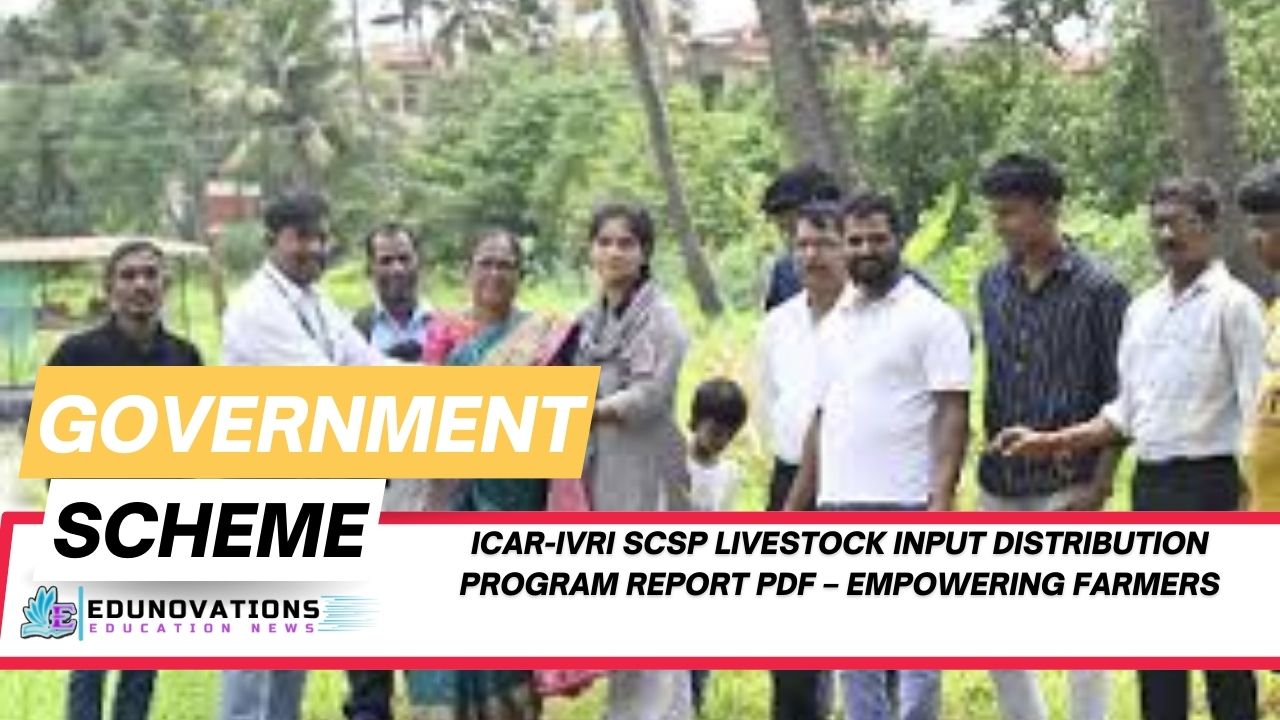
Explore the ICAR-IVRI SCSP livestock input distribution program report PDF detailing goat distribution, veterinary support, and training for Scheduled Caste farmers.
The ICAR-IVRI SCSP livestock input distribution program report PDF highlights a landmark initiative by the Indian Council of Agricultural Research–Indian Veterinary Research Institute (ICAR-IVRI) Regional Station, Palampur. Aimed at uplifting Scheduled Caste (SC) farmers, this comprehensive program focuses on distributing goats, essential animal feed, medicines, and veterinary tools, alongside specialized training in livestock care.
This initiative under the Scheduled Caste Sub Plan (SCSP) has been implemented with meticulous planning to enhance animal husbandry practices and ensure sustainable livelihoods for over 60 participating farmers and livestock owners.
Key Highlights of the ICAR-IVRI SCSP Program
The program specifically targeted selected families in Bund Vihar Panchayat, Palampur, Kangra District. The distribution included:
- 27 male goats and 81 female goats
- 54 quintals of animal feed
- Essential veterinary medicines
- 27 veterinary tools and 108 feeding implements
Each beneficiary received not only livestock and supplies but also hands-on training in animal husbandry, ensuring proper management and improved productivity.
The comprehensive livestock input distribution program ensures that these assets translate into sustainable income sources for SC families, helping them achieve economic stability and food security.
Expert Insights and Training Modules
Dr. Gorakh Mal, Head of the ICAR-IVRI Regional Station, Palampur, emphasized the importance of proper animal care to maximize productivity. He highlighted that high-quality livestock management under the SCSP framework is crucial for long-term livelihood improvement.
Veterinary experts, including Dr. Devi Gopinath and Dr. Birbal Singh, provided detailed guidance on the correct use of distributed medicines, animal nutrition, and health management. They conducted live demonstrations to address farmers’ queries on breeding, feeding, and preventive care.
In addition, the team guided farmers on improving milk yield and goat health, ensuring that these SCSP-supported interventions deliver tangible benefits.
Community Engagement and Stakeholder Participation
The success of the SCSP initiative is attributed to active participation by local Panchayat representatives and technical officers, who coordinated with ICAR-IVRI scientists to facilitate smooth execution. Key stakeholders included:
- Shri Ajesh Avathi, Panchayat Head
- Shri Rajkumar, Deputy Panchayat Head
- Shri Balwinder Singh Rana and Shri R. Ranjit Singh, Technical Officers
Their involvement ensured proper allocation of resources, training, and monitoring of livestock health and welfare.
Long-Term Impact of the ICAR-IVRI SCSP Program
The program’s impact extends beyond immediate material support. By integrating livestock input distribution with training and scientific guidance, the SCSP initiative fosters:
- Sustainable livelihoods: Enhanced animal productivity leads to better income for SC families.
- Skill development: Farmers acquire practical knowledge in feeding, health care, and breeding.
- Community resilience: Organized participation strengthens local agricultural networks.
- Health and productivity improvements: Scientifically guided care ensures healthier livestock.
According to ICAR-IVRI reports, similar SCSP interventions in other states have resulted in a 15-20% increase in goat survival rates and a 10-15% improvement in milk production, showcasing the potential benefits for Palampur beneficiaries.
Training Workshops and Demonstrations
To ensure maximum effectiveness, ICAR-IVRI conducted interactive workshops, covering topics such as:
- Goat rearing best practices
- Nutrition and balanced feeding schedules
- Preventive medicine usage and disease control
- Veterinary care and hygiene standards
Farmers were encouraged to apply scientific methods learned during training to enhance herd quality and productivity. Such hands-on experience underpins the goal of transforming livestock into a reliable livelihood source.
For learners and aspirants, related resources on NCERT courses, current affairs, and livestock management notes are available internally here, here, and here.
Strategic Importance of SCSP Livestock Programs
The SCSP framework, implemented through ICAR-IVRI, plays a critical role in India’s rural development policy. By targeting Scheduled Caste farmers, the initiative ensures equitable resource distribution and inclusion in national livestock productivity schemes.
Experts note that livestock-based income diversification helps mitigate rural poverty and contributes to women’s empowerment, as many goat-rearing households are managed by women.
External Collaboration and Technical Support
ICAR-IVRI also liaises with other authoritative bodies for resource optimization and technical guidance. Schools and educational institutions looking for collaboration or support can reach out to Mart India Infotech for assistance in setting up community-oriented livestock programs.
Future Roadmap
Building on the success of this initiative, ICAR-IVRI plans to:
- Expand goat distribution and veterinary services to additional SC communities
- Organize more hands-on workshops in animal husbandry
- Promote scientific breeding and health practices
- Track livelihood outcomes and productivity gains
Such measures ensure that the benefits of the SCSP program continue to grow sustainably.
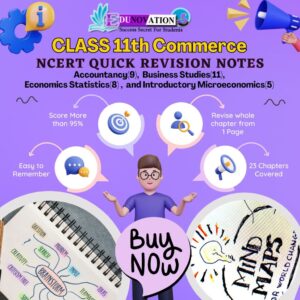
Toppers Use Mind Maps to score more than 95%
NCERT Class 11th Commerce Mind Maps
Add to cartOriginal price was: ₹999.00.₹199.00Current price is: ₹199.00.NCERT Class 12th Chemistry Mind Maps
Add to cartOriginal price was: ₹199.00.₹75.00Current price is: ₹75.00.NCERT Class 12th Commerce Mind Maps
Add to cartOriginal price was: ₹999.00.₹199.00Current price is: ₹199.00.NCERT Class 12th Science Mind Maps
Add to cartOriginal price was: ₹999.00.₹199.00Current price is: ₹199.00.NCERT Mind Maps For Class 10th
Add to cartOriginal price was: ₹999.00.₹199.00Current price is: ₹199.00.

Purchase Today
FAQs on ICAR-IVRI SCSP Livestock Input Distribution
- What is included in the ICAR-IVRI SCSP livestock input distribution program report PDF?
The report covers goat distribution, veterinary support, animal feed, and training for SC farmers. - Who benefits from the SCSP livestock input distribution program?
Selected Scheduled Caste families in Palampur, Kangra District, participate as beneficiaries. - How does the ICAR-IVRI SCSP program enhance goat productivity?
Through training in feeding, breeding, health management, and use of veterinary medicines. - Which experts guide the SCSP livestock training sessions?
Dr. Gorakh Mal, Dr. Devi Gopinath, Dr. Birbal Singh, and other ICAR-IVRI scientists. - What livestock inputs are distributed under the SCSP initiative?
Goats, animal feed, veterinary medicines, tools, and feeding implements. - Where can farmers access training resources for SCSP programs?
Internal resources are available at NCERT courses, current affairs, notes, and videos links. - What long-term impact does the SCSP program have on SC farmers?
It promotes sustainable income, skills development, and improved livestock productivity. - How is community participation ensured in the SCSP program?
Through collaboration with Panchayat leaders and technical officers during distribution events. - Can the SCSP model be replicated in other districts?
Yes, the framework is designed for scalability and inclusion across rural India. - Where can educational institutions find support for livestock programs?
Mart India Infotech provides guidance and resources for school collaborations.