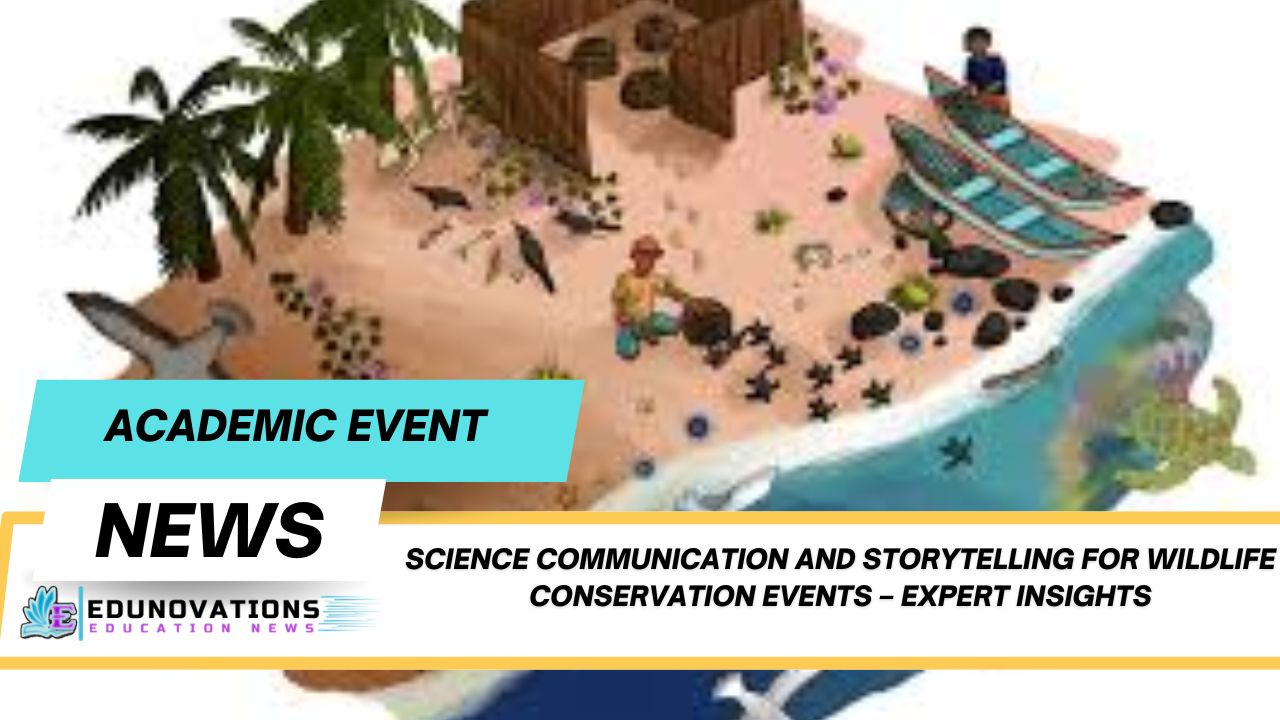
Explore how science communication and storytelling for wildlife conservation events can inspire change. Expert insights and strategies from Ashoka University panel discussion.
Introduction
In an era where environmental crises demand urgent attention, science communication and storytelling for wildlife conservation events have emerged as powerful tools to educate, inspire, and engage the public. Recently, Ashoka University hosted an expert panel focused on this very theme, bringing together scholars, environmentalists, and media professionals to explore innovative approaches in conveying complex scientific ideas to the public. This event highlighted the critical role storytelling plays in making conservation messages more relatable and impactful.
Storytelling in science, particularly conservation, is not just about presenting facts. It’s about weaving narratives that resonate emotionally with diverse audiences. The panel at Ashoka University underscored how effective communication can drive behavioral change, promote awareness about endangered species, and mobilize communities for sustainable actions.
Panel Highlights: Bringing Science to Life
The panel discussion at Ashoka University was structured around multiple facets of science communication:
- Importance of Narrative in Science: Experts emphasized that stories make scientific data accessible. Using personal anecdotes, case studies, and real-world examples helps audiences understand the urgency of wildlife conservation.
- Engaging Diverse Audiences: From policymakers to students, storytelling can bridge the knowledge gap. Tailoring messages to the audience’s cultural and social context ensures wider acceptance and understanding.
- Multimedia Approaches: Panelists highlighted the effectiveness of integrating visual media, documentaries, and social media campaigns to convey conservation messages creatively.
- Practical Workshops: Attendees participated in interactive sessions to craft narratives that blend scientific accuracy with compelling storytelling. These exercises emphasized clarity, empathy, and ethical communication.
One notable speaker, a conservation journalist, explained, “When we tell stories about wildlife, it’s not just about the species, it’s about their habitats, their struggles, and our shared responsibility. Storytelling humanizes science, making it memorable and actionable.”
Key Strategies for Effective Storytelling in Conservation
Based on the panel insights, several actionable strategies emerged for wildlife conservation storytelling strategies for public engagement:
- Use Relatable Characters: Highlight individuals, animals, or communities affected by conservation issues to foster empathy.
- Focus on Solutions: Instead of just presenting problems, demonstrate actionable solutions and success stories.
- Leverage Digital Platforms: Blogs, videos, social media threads, and podcasts can amplify reach.
- Simplify Scientific Jargon: Translate technical terms into everyday language without losing accuracy.
- Collaborate Across Disciplines: Journalists, scientists, educators, and creative writers working together create richer narratives.
These strategies are crucial for non-profit organizations, environmental NGOs, and academic institutions aiming to engage the public in conservation efforts.
The Role of Science Communication in Conservation Policy
Effective communication doesn’t only educate the public; it can influence conservation policies. Policymakers are more likely to act when complex ecological data is presented through compelling narratives that highlight societal impact. For instance, storytelling can showcase the consequences of habitat destruction or climate change on local communities and biodiversity, making abstract data tangible.
Experts at the panel cited real-world cases where storytelling campaigns led to increased community participation in wildlife preservation programs. These examples demonstrate how science and conservation communication insights from expert panels can be translated into actionable policy frameworks.
Technology and Storytelling: A Digital Frontier
The rise of digital platforms has transformed how to use storytelling techniques for environmental science outreach. Panelists discussed tools and approaches such as:
- Virtual Reality (VR) Experiences: Immersive environments allow users to “step into the habitat” of endangered species.
- Interactive Maps: Highlighting regions under threat and ongoing conservation efforts.
- Social Media Challenges: Engaging audiences through shareable content and viral campaigns.
These innovative methods bridge the gap between scientific research and public understanding, making conservation messages more compelling and widespread.
Expert Insights: Voices That Inspire
The panel featured several distinguished speakers, including conservation scientists, journalists, and educators. Their collective insights emphasized that storytelling is a skill that can be taught, refined, and adapted across contexts. Notable observations included:
- Storytelling fosters empathy and encourages actionable steps from audiences.
- A narrative approach improves retention of scientific knowledge.
- Local cultural narratives can enhance acceptance of conservation initiatives.
According to Dr. Priya Natarajan, a science communication expert, “By contextualizing scientific findings within local stories, communities feel ownership of conservation projects, which dramatically increases engagement and sustainability.”
Case Studies: Successful Storytelling in Conservation
Several case studies were shared during the panel:
- Community-led Wildlife Monitoring Programs: Involving local communities in tracking endangered species created personal stakes and stronger commitment.
- Documentaries on Human-Wildlife Conflict: Films highlighting both human and animal perspectives encouraged coexistence strategies.
- School-based Storytelling Competitions: Engaging students in crafting narratives about local ecosystems fostered awareness from a young age.
These examples illustrate that panel discussion on storytelling in science and conservation 2026 is more than an academic exercise—it has real-world impact.
Recommendations for Aspiring Science Communicators
For students, educators, and early-career professionals seeking to integrate storytelling into environmental education:
- Start Small: Begin with blogs, social media posts, or local workshops.
- Use Multiple Mediums: Combine text, visuals, and interactive tools for broader impact.
- Seek Feedback: Engage peers and mentors to refine narratives for clarity and engagement.
- Stay Updated: Follow leading conservation organizations and experts for trends and best practices.
By following these steps, emerging communicators can amplify the reach of conservation efforts and inspire meaningful action.
The Future of Conservation Storytelling
The panel concluded with a forward-looking discussion on how storytelling will evolve in environmental science. Key trends include:
- Greater use of AI-driven content creation for interactive learning.
- Cross-platform storytelling campaigns integrating VR, podcasts, and social media.
- Emphasis on inclusive narratives that represent marginalized voices in conservation.
By embracing these trends, future campaigns can maximize public engagement and policy influence, ensuring that science communication contributes effectively to global conservation goals.
Internal and External Resources for Learning
- For NCERT Courses: edunovations.com/courses
- For Current Affairs: edunovations.com/currentaffairs
- For Notes: edunovations.com/notes
- For MCQs: edunovations.com/mcq
- For Videos: edunovations.com/videos
- For Syllabus: edunovations.com/syllabus
- For Free NCERT PDFs & Mind Maps: courses.edunovations.com/shop-2/
- External Reference: Mart India Infotech
Toppers Use Mind Maps to score more than 95%
NCERT Class 11th Commerce Mind Maps
Add to cartOriginal price was: ₹999.00.₹199.00Current price is: ₹199.00.NCERT Class 12th Chemistry Mind Maps
Add to cartOriginal price was: ₹199.00.₹75.00Current price is: ₹75.00.NCERT Class 12th Commerce Mind Maps
Add to cartOriginal price was: ₹999.00.₹199.00Current price is: ₹199.00.NCERT Class 12th Science Mind Maps
Add to cartOriginal price was: ₹999.00.₹199.00Current price is: ₹199.00.NCERT Mind Maps For Class 10th
Add to cartOriginal price was: ₹999.00.₹199.00Current price is: ₹199.00.
Purchase Today
FAQs on Science Communication and Storytelling for Wildlife Conservation
- What is science communication and storytelling for wildlife conservation events?
- How can storytelling improve public engagement in wildlife conservation?
- What are the key techniques for using storytelling in environmental science outreach?
- Which digital tools are effective for conservation storytelling?
- How does storytelling influence conservation policy and decision-making?
- Can students participate in science and conservation storytelling competitions?
- What are some successful case studies of wildlife conservation storytelling?
- How do expert panels enhance understanding of science communication?
- What role does multimedia play in panel discussion on storytelling in science and conservation 2026?
- How can new communicators apply wildlife conservation storytelling strategies for public engagement?