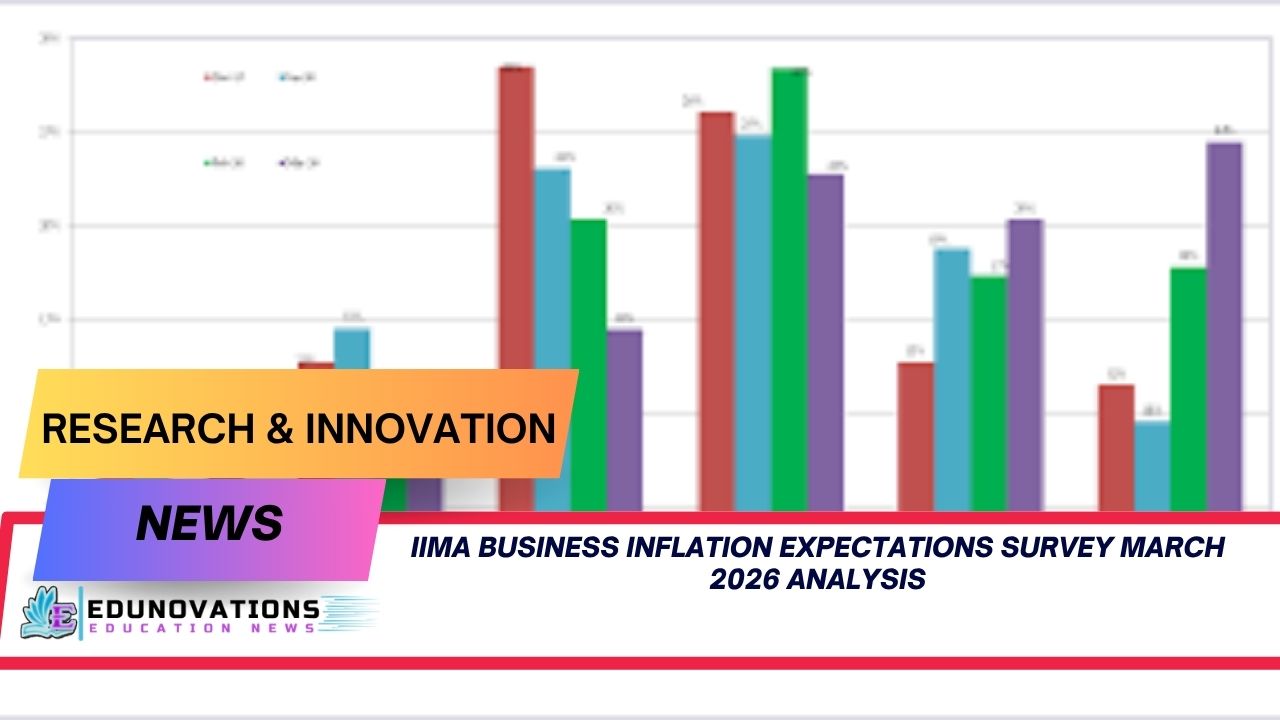
Explore the iima business inflation expectations survey march 2026 analysis, key inflation trends, business sentiment, manufacturing outlook, and India’s economic expectations in this detailed report.
The latest findings from the Indian Institute of Management Ahmedabad have once again brought attention to how businesses across India perceive inflationary pressures and future economic conditions. The Business Inflation Expectations Survey (BIES) conducted by IIM Ahmedabad offers valuable insights into pricing trends, demand expectations, production costs, and the broader economic environment affecting industries across the country.
The iima business inflation expectations survey march 2026 analysis indicates that Indian businesses remain cautiously optimistic despite global uncertainty, supply-chain disruptions, energy price fluctuations, and changing consumer demand patterns. Economists, policymakers, investors, and business leaders closely monitor this survey because it reflects how enterprises view future inflation and operational costs.
India’s inflation management remains one of the most discussed economic issues in 2026. With the Reserve Bank of India continuously balancing economic growth and price stability, surveys such as BIES help stakeholders understand how inflation expectations shape investment and production decisions.
According to experts, inflation expectations play a crucial role in determining actual inflation trends. When businesses expect higher prices in the future, they often increase prices proactively, affecting consumers and markets nationwide. Therefore, the findings from the latest survey are being analyzed extensively by economists and financial institutions.
Students preparing for competitive examinations can also follow important economic developments through platforms like Current Affairs by EduNovations and academic resources available at EduNovations Notes.
Understanding the Business Inflation Expectations Survey
The Business Inflation Expectations Survey is conducted periodically by the Indian Institute of Management Ahmedabad to evaluate how Indian firms perceive future inflationary movements. The survey collects responses from businesses operating across multiple sectors including manufacturing, services, infrastructure, trade, and logistics.
The latest india business inflation expectations report 2026 explained several important factors influencing the economy:
- Rising raw material prices
- Global fuel price volatility
- Supply-chain adjustments
- Increased transportation costs
- Changes in consumer demand
- Wage pressures across industries
The survey also helps policymakers evaluate whether inflation expectations are becoming anchored or drifting upward. Anchored inflation expectations indicate confidence in monetary policy, while rising expectations can signal long-term pricing challenges.
Economic analysts note that surveys like BIES are especially relevant in emerging economies such as India where consumer demand and industrial growth remain highly dynamic.
Inflation Expectations and the Indian Economy
India’s economy has demonstrated resilience despite global economic headwinds over the last few years. However, inflation remains a central concern for businesses and households alike.
The latest iim ahmedabad inflation expectations survey latest findings reveal that businesses continue to expect moderate inflation in the coming quarters. Many firms believe input costs will remain elevated due to international market uncertainties and domestic supply-side pressures.
Several economists have highlighted the importance of monitoring inflation expectations because they influence:
- Corporate pricing strategies
- Consumer spending behavior
- Wage negotiations
- Investment planning
- Interest rate expectations
The Reserve Bank of India has repeatedly emphasized the need to keep inflation under control to sustain long-term economic growth. Stable inflation supports consumer confidence and encourages investments in productive sectors.
Many financial experts also believe that India’s manufacturing expansion and infrastructure growth could help offset some inflationary risks by improving supply efficiency and production capacity.
Manufacturing Sector Faces Cost Pressures
One of the key observations from the survey relates to manufacturing industries. The business inflation expectations survey india manufacturing sector findings suggest that manufacturers are still dealing with elevated production costs.
Key contributors include:
Rising Energy Prices
Energy costs continue to impact industries heavily. Businesses dependent on electricity, transportation, and imported fuel face higher operational expenses.
Logistics and Transportation Costs
Transportation expenses have increased due to fuel price volatility and changing global shipping patterns. These costs eventually affect product pricing across sectors.
Wage and Labor Expenses
As economic activity expands, skilled labor demand has increased. Many companies report rising salary expectations and labor costs.
Raw Material Volatility
Industries dependent on imported components or commodities continue to face price uncertainty due to geopolitical tensions and global supply constraints.
Economic experts believe these factors may continue influencing inflation expectations in the short term.
Students studying economics and business management can improve conceptual understanding through educational resources available at EduNovations Courses and practice questions at EduNovations MCQs.
RBI Policy and Inflation Management
The Reserve Bank of India plays a critical role in controlling inflation through monetary policy measures. RBI typically uses repo rates, liquidity management, and policy guidance to maintain price stability.
The march 2026 business inflation expectations survey india trends indicate that businesses are carefully observing future RBI policy actions. If inflation remains elevated, tighter monetary policy could continue for a longer period.
Economists explain that interest rate decisions directly impact:
- Borrowing costs
- Business expansion
- Consumer loans
- Housing demand
- Investment activity
At the same time, policymakers must balance inflation control with economic growth objectives. Excessive tightening could slow industrial expansion, while insufficient action may fuel further inflation.
Many market observers believe that India’s economic fundamentals remain strong due to robust domestic demand, infrastructure investment, and growing digital transformation.
Expert Reactions to the Survey
Several economists and policy experts have commented on the latest inflation expectations survey findings.
Former RBI Governor Raghuram Rajan has previously emphasized that managing inflation expectations is essential for maintaining economic stability. According to his economic philosophy, credible monetary policy helps anchor business confidence and prevents long-term inflationary spirals.
Similarly, economist Arvind Subramanian has often discussed how inflation trends influence investment decisions and industrial competitiveness in emerging economies.
Financial analysts believe the current survey reflects cautious optimism rather than panic. Businesses are concerned about costs, but many also expect steady demand growth in sectors such as infrastructure, manufacturing, digital services, and renewable energy.
Impact on Consumers and Households
Inflation expectations eventually affect consumers because businesses often pass increased costs to buyers.
Some sectors where consumers may observe price changes include:
- Food products
- Consumer electronics
- Transportation
- Housing materials
- Education services
- Healthcare services
However, economists also note that improving supply chains and increased domestic production could reduce long-term inflationary pressures.
The Indian government’s focus on manufacturing initiatives, logistics modernization, and infrastructure projects may help stabilize prices over time.
Global Economic Factors Influencing Inflation
India’s inflation trends are also influenced by international developments. Global crude oil prices, geopolitical tensions, and trade disruptions can significantly impact domestic costs.
Some major global factors include:
Geopolitical Instability
International conflicts often disrupt commodity supply chains, increasing prices of fuel, metals, and agricultural products.
Commodity Market Volatility
Global commodity markets remain unpredictable due to fluctuating demand and supply conditions.
Currency Movements
Exchange rate fluctuations affect import costs and inflation levels in developing economies like India.
Climate and Agricultural Risks
Extreme weather conditions influence agricultural production and food inflation worldwide.
The survey findings suggest that businesses remain aware of these external risks while planning future operations.
Importance for Competitive Examination Aspirants
Economic surveys such as BIES are highly relevant for students preparing for UPSC, SSC, banking, RBI, MBA entrance exams, and state public service examinations.
Key areas students should understand include:
- Inflation concepts
- Monetary policy tools
- Role of RBI
- Economic surveys
- Industrial cost trends
- Inflation expectations
Aspirants can access syllabus-oriented preparation materials through EduNovations Syllabus Resources and educational videos at EduNovations Videos.
Digital Economy and Inflation Trends
India’s growing digital economy may also help improve pricing efficiency and market transparency.
Digital payment systems, e-commerce platforms, and AI-driven logistics networks are reducing transaction inefficiencies in several sectors. Economists believe technological modernization can help moderate inflationary pressures over time.
The expansion of online retail and supply-chain optimization tools may improve inventory management and reduce wastage, especially in food and consumer goods sectors.
Additionally, fintech innovations are improving financial inclusion and helping businesses manage operational costs more effectively.
Long-Term Outlook for Indian Businesses
Despite current inflation concerns, many businesses remain optimistic about India’s long-term growth potential.
Several factors continue supporting economic expansion:
- Infrastructure development
- Startup ecosystem growth
- Digital transformation
- Manufacturing initiatives
- Rising middle-class consumption
- Government investment programs
The iima business inflation expectations survey march 2026 analysis suggests that while inflationary pressures persist, businesses still expect steady economic activity and moderate demand growth.
India’s demographic advantage and expanding industrial base continue attracting global investors and multinational companies.
Educational and Business Learning Resources
Students and professionals seeking deeper economic understanding can explore additional educational resources:
For educational institutions and digital communication solutions, organizations can also connect with Mart Ind Infotech.
Why Inflation Expectations Matter More Than Ever
Inflation expectations influence not only current business decisions but also future economic outcomes. Policymakers closely monitor surveys like BIES because they provide early signals about pricing trends and corporate sentiment.
When businesses expect inflation to rise:
- They may increase prices earlier
- Consumers may spend differently
- Wage negotiations may intensify
- Financial markets may adjust expectations
Conversely, stable inflation expectations can support economic confidence and sustainable growth.
The latest survey indicates that India’s business community remains vigilant yet optimistic. Businesses acknowledge short-term cost pressures but continue expecting economic resilience and demand expansion in several sectors.
Conclusion
The latest Business Inflation Expectations Survey conducted by IIM Ahmedabad provides a detailed snapshot of how Indian businesses view inflation, production costs, and future economic conditions.
The iima business inflation expectations survey march 2026 analysis highlights both caution and confidence within the Indian corporate ecosystem. While companies remain concerned about energy prices, logistics costs, and global uncertainties, they also recognize India’s strong long-term economic fundamentals.
The survey findings reinforce the importance of inflation management, policy coordination, and industrial efficiency in maintaining sustainable growth. As India continues its journey toward becoming a major global economic powerhouse, understanding business expectations will remain crucial for policymakers, investors, and consumers alike.
For students, researchers, and professionals, the latest survey offers valuable insights into India’s evolving economic landscape and the complex relationship between inflation, business sentiment, and growth prospects.
Toppers Use Mind Maps to score more than 95%
NCERT Class 11th Commerce Mind Maps
Add to cartOriginal price was: ₹999.00.₹199.00Current price is: ₹199.00.NCERT Class 12th Chemistry Mind Maps
Add to cartOriginal price was: ₹199.00.₹75.00Current price is: ₹75.00.NCERT Class 12th Commerce Mind Maps
Add to cartOriginal price was: ₹999.00.₹199.00Current price is: ₹199.00.NCERT Class 12th Science Mind Maps
Add to cartOriginal price was: ₹999.00.₹199.00Current price is: ₹199.00.NCERT Mind Maps For Class 10th
Add to cartOriginal price was: ₹999.00.₹199.00Current price is: ₹199.00.





Purchase Today
FAQs
1. What is the iima business inflation expectations survey march 2026 analysis?
It is a survey conducted by IIM Ahmedabad that studies how Indian businesses expect inflation and production costs to behave in upcoming months.
2. Why is the india business inflation expectations report 2026 explained important?
The report helps economists, policymakers, and investors understand corporate inflation expectations and future economic trends.
3. What sectors are covered in the business inflation expectations survey india manufacturing sector report?
The survey includes manufacturing, services, logistics, infrastructure, trade, and other major business sectors.
4. How does the iim ahmedabad inflation expectations survey latest findings affect RBI policy?
The survey provides insights into inflation expectations that may influence RBI monetary policy decisions.
5. Why do businesses track march 2026 business inflation expectations survey india trends?
Businesses use inflation trends to plan pricing strategies, investments, and operational costs.
6. How can inflation expectations impact consumers?
Higher inflation expectations may lead to increased prices for goods and services across sectors.
7. What role does RBI play in controlling inflation?
RBI uses interest rates and monetary policy tools to maintain price stability and support economic growth.
8. How are global oil prices connected to inflation expectations in India?
Higher global oil prices increase transportation and production costs, contributing to inflation.
9. Why is the IIM Ahmedabad survey important for competitive exams?
The survey helps students understand economic indicators, inflation concepts, and RBI policy frameworks.
10. What are the major findings of the latest business inflation survey?
The survey indicates moderate inflation expectations, rising input costs, and cautious business optimism.