The landscape of global education and international career development is facing a potential paradigm shift.
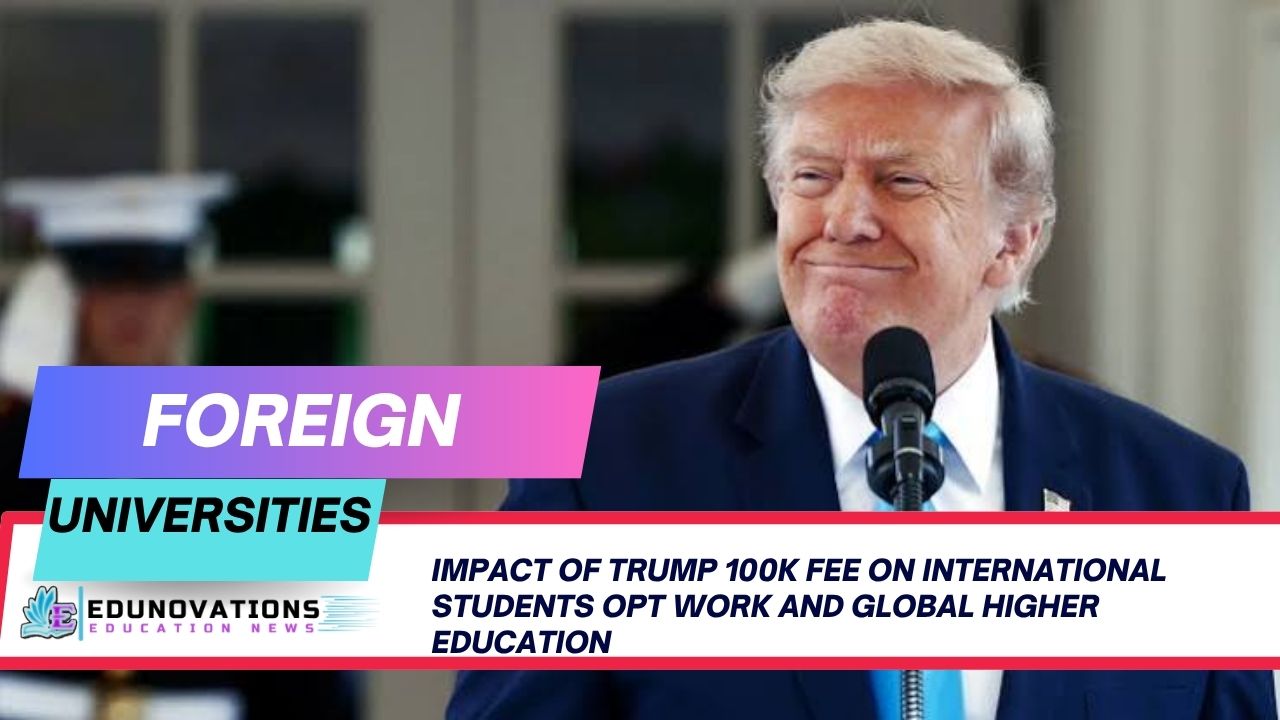
The landscape of global education and international career development is facing a potential paradigm shift. Recent policy discussions within Washington have signaled that the United States government is exploring sweeping regulatory modifications affecting foreign learners. At the center of this dialogue is a contemplated financial mandate that could drastically alter post-graduation professional paths. For thousands of scholars investing heavily in higher education abroad, understanding these updates is critical. To support your broader academic journey, you can explore comprehensive resources such as NCERT Courses and stay updated with Current Affairs.
Understanding the Proposed Policy Shift
Under current frameworks, international scholars who complete their higher education degrees at American institutions rely heavily on structured transition mechanisms to gain initial industry exposure. The discussion currently circulating involves attaching a monumental financial barrier to these transitional employment pathways. While administrative sources note that no final mandates have been formally codified, the mere prospect has sent shockwaves through academic corridors, corporate recruitment divisions, and immigrant advocacy networks.
Stakeholders across multiple continents are closely evaluating what this means for future enrollment cycles. For deeper insights into institutional frameworks and study frameworks, candidates often look into structured Notes and specialized MCQ’s designed for competitive examination readiness.
The Role of Optional Practical Training in US Employment
To comprehend the gravity of these discussions, one must look at how graduates bridge the gap between academia and corporate employment. The framework in question—traditionally known as Optional Practical Training (OPT)—allows individuals holding standard student visas to secure temporary employment directly aligned with their major field of study.
Typically, standard authorizations grant up to twelve months of active workforce participation. Meanwhile, individuals who complete specialized science, technology, engineering, or mathematics (STEM) fields qualify for extended provisions, allowing them to accumulate up to three years of practical professional experience. This window serves as an essential pipeline for major corporate entities, financial institutions, and technology enterprises seeking global talent before sponsoring long-term work documentation like H-1B visas.
Economic Contributions and Institutional Reliance
American colleges and universities heavily depend on international student tuition to sustain institutional budgets, research initiatives, and campus diversity. When students weigh the financial return on investment of moving abroad, post-study employment opportunities serve as a primary decision-making metric.
- International students contribute tens of billions of dollars annually to the United States economy.
- Major technology sectors rely on fresh graduates to fill critical engineering and analytical gaps.
- Without viable post-study pathways, prospective candidates may pivot toward alternative study destinations like Canada, the United Kingdom, or Australia.
For academic planners and institutional administrators tracking these structural shifts, reviewing the official Syllabus and exploring Videos can provide structured clarity on global educational trends. Furthermore, institutions aiming to scale their digital infrastructure often partner with technology experts like Mart Ind Infotech for dedicated school and enterprise software solutions.
Administrative Intent and Broader Immigration Strategy
The deliberation surrounding a heavy cost levy on work authorizations does not occur in a vacuum. It aligns with a broader governmental push to recalibrate legal immigration channels and tighten oversight on foreign nationals residing within domestic borders. Legal scholars and immigration attorneys point out that the administration has previously attempted similar high-cost strategies targeting professional work visas, though those efforts faced severe judicial pushback in federal appeals courts.
Critics of the proposed fee argue that placing an exorbitant price tag on post-study work opportunities could backfire, ultimately depriving the domestic labor market of elite global innovators. Conversely, proponents maintain that stricter regulatory controls protect domestic wages and ensure that foreign recruitment complies strictly with national economic interests.
Expert Perspectives and Stakeholder Reactions
The public discourse surrounding these policy considerations has drawn sharp commentary from various public figures and immigrant rights advocates. Prominent policy commentators and tech-industry analysts have voiced concerns that erecting financial roadblocks will damage America’s competitive edge in research and development.
“Imposing prohibitive financial barriers on young, highly educated professionals is counterproductive to maintaining global technological leadership. We should be welcoming talent, not pricing it out of the market,” noted noted immigration policy analyst and author Alex Nowrasteh in recent discussions regarding workforce mobility.
Such commentary underscores the tension between protectionist economic policies and the open-market demands of Silicon Valley and Wall Street firms. Students seeking foundational learning materials can also access Downloads of Free NCERT PDFs and NCERT Mind Maps to maintain a strong educational foundation regardless of shifting global policies.
Toppers Use Mind Maps to score more than 95%
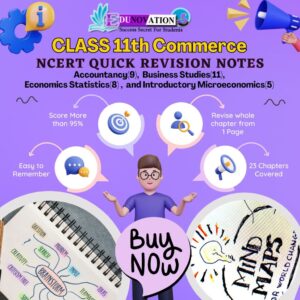
NCERT Class 11th Commerce Mind Maps
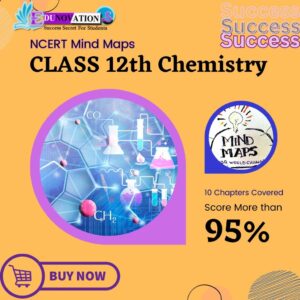
Add to cartOriginal price was: ₹999.00.₹199.00Current price is: ₹199.00.NCERT Class 12th Chemistry Mind Maps
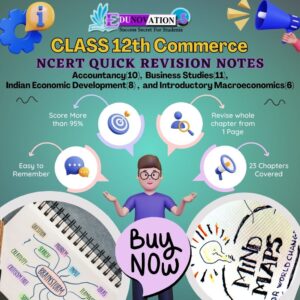
Add to cartOriginal price was: ₹199.00.₹75.00Current price is: ₹75.00.NCERT Class 12th Commerce Mind Maps
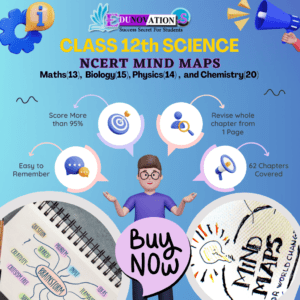
Add to cartOriginal price was: ₹999.00.₹199.00Current price is: ₹199.00.NCERT Class 12th Science Mind Maps
Add to cartOriginal price was: ₹999.00.₹199.00Current price is: ₹199.00.NCERT Mind Maps For Class 10th
Add to cartOriginal price was: ₹999.00.₹199.00Current price is: ₹199.00.
Purchase Today
Frequently Asked Questions
1. What is the impact of trump 100k fee on international students opt work?
The proposed fee aims to introduce a steep financial requirement for graduates seeking to transition from academic studies to practical workforce training, potentially pricing many candidates out of the market.
2. Who pays the proposed 100000 us opt work fee for graduates?
As of current policy drafts, administrative officials have not clarified whether the financial burden will fall directly on the student, the hiring employer, or the sponsoring educational institution.
3. Can foreign students still work in us after graduation with opt?
Yes, the standard program remains fully active under existing legal guidelines, and no final implementation date or formal rule has been finalized for the proposed fee.
4. How trump 100000 visa fee affects US university foreign graduates?
It introduces deep uncertainty, which may cause prospective students to reconsider applying to American institutions due to the risk of blocked post-study employment paths.
5. What changes are happening to the optional practical training program under the administration?
Aside from fee discussions, the government is reviewing duration limits and transitioning away from open-ended “duration of status” permissions toward fixed admission timelines.
6. Are STEM graduates more vulnerable to these proposed regulatory changes?
Yes, because STEM graduates rely on extended three-year work authorizations, any structural fee or policy shift disproportionately affects their long-term career planning.
7. Has the proposed $100,000 fee officially become law?
No, it remains an internal policy discussion and proposal being evaluated by the Department of Homeland Security without official codification.
8. How does this proposal compare to previous H-1B visa fee challenges?
It mirrors earlier attempts by the administration to levy high-cost entry fees on professional visas—efforts that faced major roadblocks and challenges in federal courts.
9. What alternative study destinations are students considering due to these updates?
Many international candidates are increasingly looking at educational hubs in Canada, Germany, the United Kingdom, and Australia as stable alternatives.
10. Where can students find official guidance on study visas and educational frameworks?
Students can track official updates through governmental immigration portals and utilize educational platforms like Edunovations for comprehensive academic support resources.