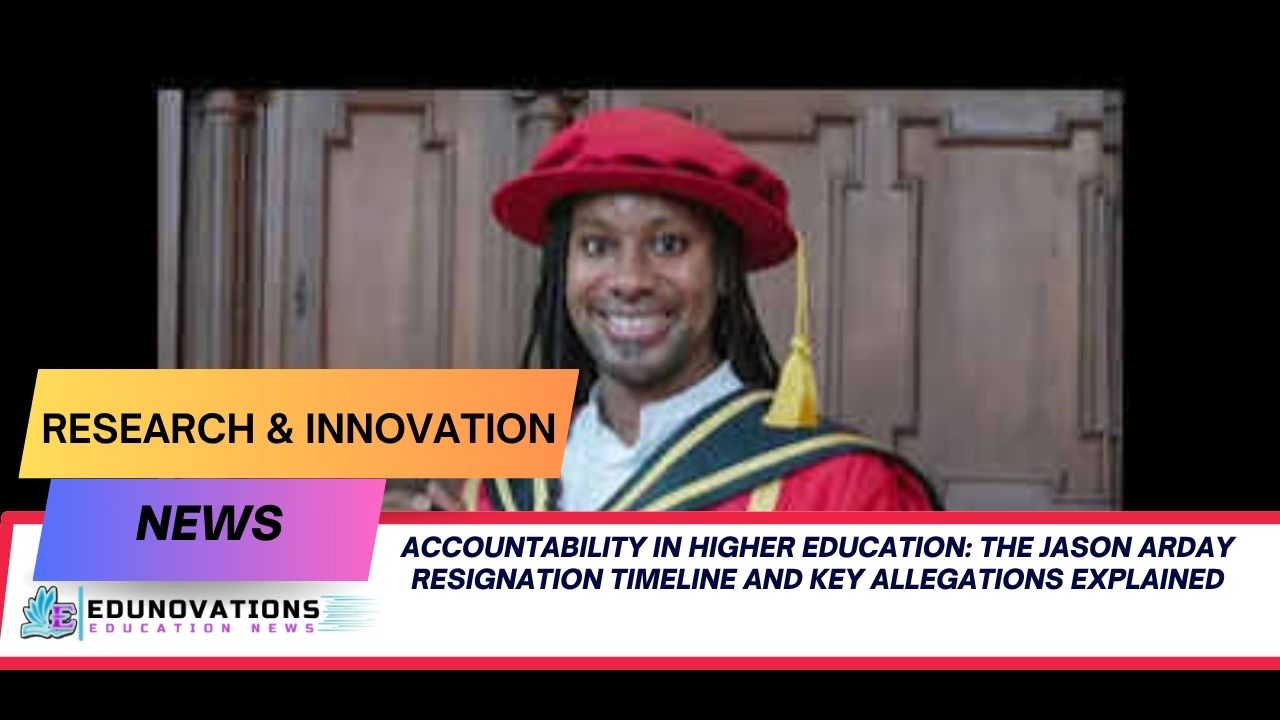
The landscape of British higher education has been rocked by the sudden departure of a high-profile academic figure.
The landscape of British higher education has been rocked by the sudden departure of a high-profile academic figure. The recent events surrounding the University of Cambridge have prompted significant internal pushback, as faculty members challenge the institution’s handling of the crisis. To understand the current climate, it is essential to look at the Jason Arday resignation timeline and key allegations explained in detail, as this case highlights broader systemic issues regarding academic vetting, institutional transparency, and the integrity of professorial appointments.
The controversy centers on the tenure and subsequent resignation of Jason Arday, who had been celebrated as one of the youngest Black professors in the history of the University of Cambridge. However, following a series of reports regarding plagiarism and discrepancies in his personal narrative—ranging from claims about his childhood health to his athletic background—the academic community has been left in turmoil.
Institutional Vetting and the Cost of Silence
When top-tier institutions face questions about their recruitment processes, the response is often a mix of damage control and internal review. In this instance, the University of Cambridge attempted to pivot quickly to an internal investigation. However, this move was met with immediate skepticism from senior academics who argue that the university’s management is seeking to “draw a line” under the affair without addressing the core issues of accountability.
For students and professionals tracking these developments, it is worth noting how these administrative failures impact the academic ecosystem. If you are a student preparing for competitive examinations or looking for deeper insights into how institutions function, resources like Current Affairs provide the necessary context to stay updated on national news.
The signatories of the letter to the Vice-Chancellor include prestigious figures such as Prof. Suchitra Sebastian and Prof. Mónica Figueroa. They demand an independent body—one that operates outside the direct influence of the university’s existing management—to conduct a thorough and transparent investigation. They argue that the “toxic and frequently racist commentary” surrounding the case is a direct result of the university’s own mishandling of the appointment narrative.
The Broader Impact on Academic Integrity
The debate over the Jason Arday resignation timeline and key allegations explained reveals a fundamental tension: how much responsibility does a university hold for the veracity of a professor’s life story and research record? While universities often utilize compelling personal narratives to highlight diversity initiatives, this case suggests that when those narratives face scrutiny, the institution’s credibility is put at risk.
For those studying history, sociology, or public policy, understanding the nuances of these institutional failures is crucial. You can find comprehensive study materials to help you grasp these complex social dynamics through NCERT Courses. Furthermore, for those interested in the structural side of education management, organizations like Mart Ind Infotech offer specialized services for schools and educational institutions to manage their data and operational needs effectively.
The academic community is particularly concerned that the fallout will deter Black academics from pursuing senior positions. There is a palpable fear that the university’s failure to handle this situation with transparency will be used by detractors to undermine future efforts toward representation.
Analyzing the Hiring Process
When we consider how universities review academic hiring processes after scandal, we must look at the standard protocols for verification. Typically, vetting includes peer reviews of published works and background checks on credentials. However, as the allegations against Jason Arday demonstrate, personal life narratives are rarely subjected to the same level of rigorous fact-checking as research data.
The University of Glasgow, where Jason Arday previously held a professorial chair, has also commissioned a review. This indicates that the failure was not isolated to Cambridge but represents a potential loophole in how high-profile appointments are secured across the UK. For students looking to master these analytical skills, MCQs and Notes can be highly effective in building the foundational knowledge required to critique public policy and administration.
Addressing Systemic Barriers
One of the most pressing questions is the challenges for black academics in UK university hiring systems. The signatories of the open letter emphasize that the damage done to the community is profound. When an appointment process is flawed, it does not just affect the individual; it impacts the collective perception of minority scholars.
For educators and students alike, understanding these systemic barriers is part of a holistic education. Whether you are using Videos to learn about social inequality or reviewing the Syllabus for upcoming assessments, it is clear that higher education is currently at an inflection point. The pressure to diversify must be matched by a commitment to the highest standards of academic integrity.
The Path Toward Transparency
If we look at what constitutes academic misconduct in UK professor appointments, the focus usually falls on plagiarism and data falsification. However, the Jason Arday case expands this definition to include the manipulation of personal identity and biography for professional gain.
As the University of Cambridge prepares to review its misconduct in research policy, the public will be watching. Transparency is not just about releasing a report; it is about acknowledging the failures of the management team that facilitated such a high-profile appointment without proper due diligence. For those who need to keep their academic resources organized, Downloads of Free NCERT PDFs can be an excellent way to maintain a library of essential knowledge.
Strengthening the Academic Foundation
As we continue to monitor the University of Cambridge internal investigation process explained by official channels, it is vital that the outcome leads to substantive change rather than mere procedural adjustments. The academic world relies on trust. Without it, the prestige of institutions like Cambridge, Glasgow, and others begins to erode.
To improve your understanding of these critical topics, engaging with NCERT Mind Maps can help you visualize the relationship between institutional governance and public trust. These resources are designed to help students and professionals simplify complex concepts into manageable, actionable insights.
The future of academic recruitment in the UK depends on the ability of universities to self-correct. By inviting independent oversight and committing to an open dialogue about the failures of the past, institutions can begin to rebuild. This is a difficult time for everyone involved, but it is also an opportunity to establish a more rigorous and ethical framework for the future of academia.
Toppers Use Mind Maps to score more than 95%
NCERT Class 11th Commerce Mind Maps
Add to cartOriginal price was: ₹999.00.₹199.00Current price is: ₹199.00.NCERT Class 12th Chemistry Mind Maps
Add to cartOriginal price was: ₹199.00.₹75.00Current price is: ₹75.00.NCERT Class 12th Commerce Mind Maps
Add to cartOriginal price was: ₹999.00.₹199.00Current price is: ₹199.00.NCERT Class 12th Science Mind Maps
Add to cartOriginal price was: ₹999.00.₹199.00Current price is: ₹199.00.NCERT Mind Maps For Class 10th
Add to cartOriginal price was: ₹999.00.₹199.00Current price is: ₹199.00.



Purchase Today
Frequently Asked Questions (FAQs)
- What is the Jason Arday resignation timeline and key allegations explained? The timeline began with his appointment, followed by allegations of plagiarism and inaccuracies in his personal biography, leading to his resignation in August 2026 after mounting pressure.
- How do universities review academic hiring processes after scandal? Typically, they launch internal reviews, hire independent investigators, and update their due diligence protocols for vetting personal and professional claims.
- What are the main challenges for black academics in UK university hiring systems? They face systemic biases and, as seen in this case, the risk of their achievements being overshadowed by the failures of institutions that may have used them for “diversity” signaling.
- What constitutes academic misconduct in UK professor appointments? It includes plagiarism, data fabrication, misrepresentation of credentials, and failing to adhere to institutional research ethics policies.
- How is the University of Cambridge internal investigation process explained to the public? The University has stated they are investigating the circumstances of his appointment and will use the findings to refine their senior recruitment process.
- Will this resignation affect future hiring of Black professors? Academics fear it might deter applicants, which is why they are calling for transparent investigations to restore faith in the system.
- What did the Cambridge academics demand in their letter? They requested an independent body to investigate the management’s role in the appointment and to address the resulting toxic environment.
- Did the University of Glasgow also review Jason Arday’s tenure? Yes, the University of Glasgow commissioned a review of his appointment to understand the facts and learn lessons for future recruitment.
- Why is transparency important in this case? Transparency is essential to ensure that academic integrity is maintained and that marginalized groups are not harmed by failed diversity initiatives.
- How can students learn more about these academic controversies? By following trusted news sources and keeping up with current affairs, students can better understand the intersection of policy, ethics, and education.