In the rapidly evolving landscape of modern higher education, the bridge between an institution and its former students has become a strategic lifeline.
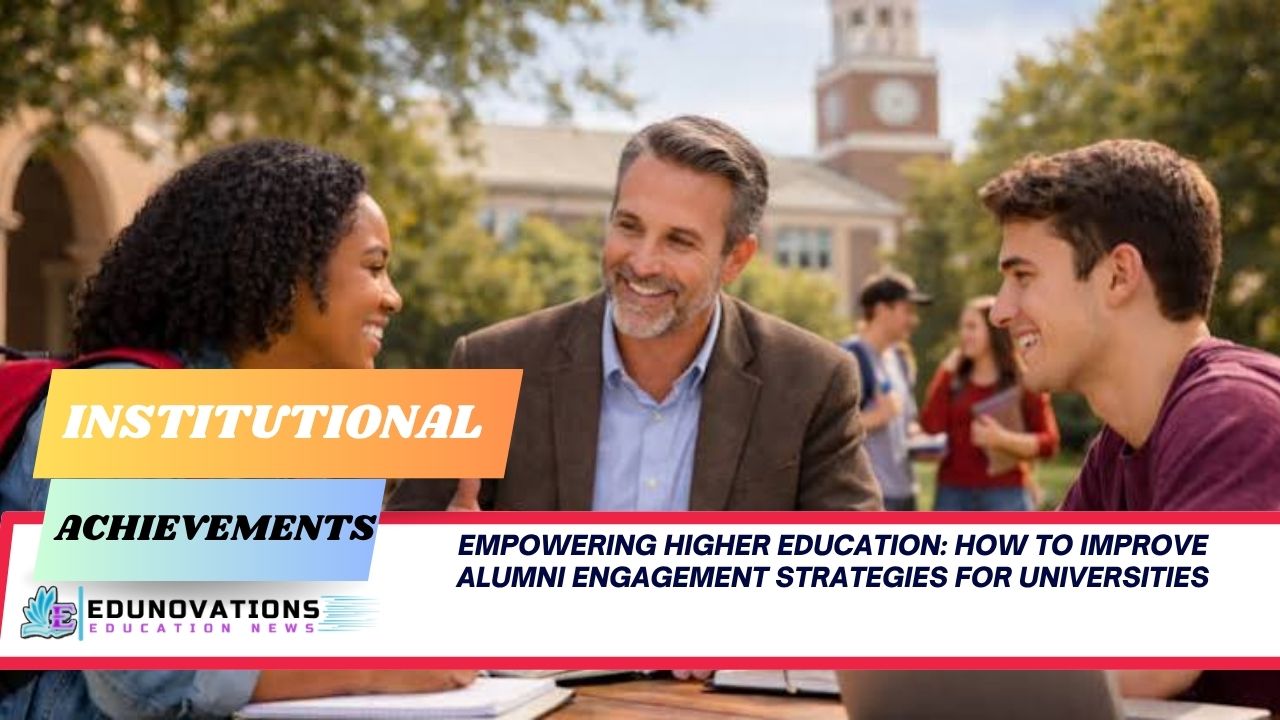
In the rapidly evolving landscape of modern higher education, the bridge between an institution and its former students has become a strategic lifeline. As universities worldwide strive to remain relevant in a VUCA (Volatile, Uncertain, Complex, and Ambiguous) world, the importance of fostering long-term relationships has never been clearer. How to improve alumni engagement strategies for universities is no longer just an administrative concern; it is a fundamental pillar of institutional sustainability, reputation management, and financial growth.
Recent developments at top-tier institutions, such as the Indian Institute of Technology (IIT) Bombay, demonstrate this shift. The Dean of Alumni and Corporate Relations (ACR) office at IIT Bombay recently launched a series of dedicated social media channels, signaling a transition toward more direct, digital-first communication. By leveraging platforms like LinkedIn, Facebook, and Twitter, the institution aims to highlight how community support drives groundbreaking research, state-of-the-art infrastructure, and a thriving entrepreneurial ecosystem. For academic leaders everywhere, this move underscores a vital reality: the future of education is deeply interconnected with the digital engagement of its past.
The Strategic Importance of Alumni Relations
Alumni are far more than just “former students.” They are the living proof of an institution’s impact. When universities prioritize their relationships with graduates, they gain access to a network of ambassadors who can influence public perception, mentor current students, and support long-term philanthropic goals.
Expert Maria Elena Kuntz, a leader in content marketing strategy for higher education, notes: “Alumni engagement is a strategic lifeline. It is about building advocacy, generosity, and relevance—three ingredients colleges and universities need to survive and thrive.” When institutions neglect these relationships, they miss out on their most credible supporters. Whether you are looking for NCERT Courses to build a strong educational foundation or seeking resources to support your professional journey, the principle remains the same: sustained connection yields the highest return.
Digital Transformation in Higher Education
The digital shift seen at prestigious institutions mirrors a broader trend: the move toward hyper-personalized, high-impact digital storytelling. To replicate this success, administrators must move beyond traditional newsletters and move toward active digital community building.
The Power of Social Media in Advancement
Social media is not merely a megaphone for announcements; it is a two-way street for engagement. Institutions that effectively utilize social platforms often see higher donor participation. According to industry research, organizations that focus on transparent, authentic, and impact-driven digital campaigns are significantly more successful in engaging younger cohorts.
If your institution is struggling with digital outreach, consider how Current Affairs integration or Notes distribution can add value to your alumni audience, keeping them coming back for intellectual updates rather than just donation requests.
Data-Driven Community Management
A common pitfall for many schools is the “spray and pray” approach—sending mass emails without segmentation. To build a robust community, focus on these three steps:
- Listen: Use polls and surveys to understand what your alumni actually want.
- Segment: Use a CRM to categorize alumni by interests, professional field, or graduation year.
- Lead with Value: Before asking for support, provide value through MCQs, Videos, or exclusive industry insights.
Why Engagement Matters More Than Ever
Engaged alumni act as a buffer during challenging economic times. They provide not only financial support but also “intellectual capital”—expertise that can be shared through Syllabus reviews, industry guest lectures, or mentorship programs.
For schools seeking to upgrade their infrastructure or digital presence, professional support is often necessary. If you are a school administrator looking to modernize your administrative or technical systems, contact Mart Ind Infotech to explore professional solutions.
Practical Steps to Drive Institutional Growth
For institutions with limited resources or lower domain authority, the strategy should focus on “niching down.” Instead of trying to compete with global headlines, focus on hyper-local or specialized content that serves your specific community.
1. Highlight Impact Stories
As seen in the IIT Bombay model, stories about “groundbreaking research” and “state-of-the-art infrastructure” resonate deeply. Ensure your website features a section for success stories. If you need inspiration, browsing Free NCERT PDFs can show you how to structure educational content effectively.
2. Leverage Visual Storytelling
Use infographics and NCERT Mind Maps to simplify complex achievements. When donors see exactly how their contributions impact students, they are more likely to remain connected.
3. Fostering Lifelong Learning
The most successful alumni networks act as hubs for lifelong learning. By providing consistent updates on technological advancements or academic trends, you remain an integral part of your alumni’s day-to-day life.
The Future of Alumni Advancement
The rise of digital platforms like LinkedIn and Twitter for official university communications is merely the tip of the iceberg. We are moving toward a future where “Institutional Advancement” is synonymous with “Community Experience.” As institutions continue to adapt, the ones that win will be those that treat their alumni as partners in a lifelong journey toward excellence.
As noted in recent reports, younger alumni specifically value transparency and impact. They are 40% more likely to contribute when they see clear, measurable outcomes. Therefore, the strategy of “showing the work” through new social channels—as the Dean’s office at IIT Bombay is doing—is not just a trend; it is the new gold standard for university outreach.
Toppers Use Mind Maps to score more than 95%
NCERT Class 11th Commerce Mind Maps
Add to cartOriginal price was: ₹999.00.₹199.00Current price is: ₹199.00.NCERT Class 12th Chemistry Mind Maps
Add to cartOriginal price was: ₹199.00.₹75.00Current price is: ₹75.00.NCERT Class 12th Commerce Mind Maps
Add to cartOriginal price was: ₹999.00.₹199.00Current price is: ₹199.00.NCERT Class 12th Science Mind Maps
Add to cartOriginal price was: ₹999.00.₹199.00Current price is: ₹199.00.NCERT Mind Maps For Class 10th
Add to cartOriginal price was: ₹999.00.₹199.00Current price is: ₹199.00.


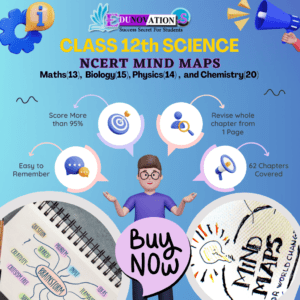
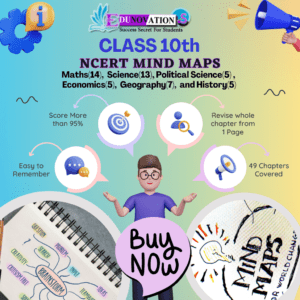
Purchase Today
FAQs
1. How to improve alumni engagement strategies for universities on a tight budget? Focus on organic social media storytelling, leveraging user-generated content, and creating niche-specific email lists rather than paid advertising.
2. What are the best social media channels for university fundraising? LinkedIn is essential for professional networking and corporate connections, while Instagram and Facebook are best for emotional storytelling and community building.
3. How to build a successful alumni community online without high domain authority? Consistently publish high-quality, long-form content that answers specific questions your alumni have, and use internal linking to keep them engaged on your platform.
4. What are some effective strategies to increase philanthropic support for colleges? Focus on “donor stewardship”—updating donors on the impact of their gift regularly. Share videos and testimonials that prove the tangible outcome of their support.
5. How does social media usage impact institutional advancement? It reduces the information gap between the institution and its stakeholders, increases trust, and turns passive followers into active ambassadors.
6. Should we prioritize quantity or quality in alumni social media posts? Quality is paramount. One story about a student’s success enabled by an alumnus is more effective than ten generic “donate now” posts.
7. How can universities engage young alumni? Focus on career growth, networking, and professional development resources. Gen Z and Millennials value institutions that support their personal success.
8. What role do digital tools like MCQs and notes play in alumni engagement? They keep the institution relevant. By offering continuing education resources, you ensure that the alumni-institution bond remains functional and beneficial for both parties.
9. How do we keep alumni connected after graduation? Involve them as mentors for current students. A two-way connection where they give back time and expertise is more sustainable than just asking for money.
10. Why is the Dean of ACR office model at IIT Bombay significant? It represents a professional, centralized approach to digital presence that treats alumni relations as a key business function rather than an afterthought.