
Running has long been viewed through the lens of competition—stopwatches, personal bests, and podium finishes.
Running has long been viewed through the lens of competition—stopwatches, personal bests, and podium finishes. However, a quiet revolution is taking place within the world of distance sports. Whether you are a solo practitioner or looking to foster camaraderie, the shift toward communal, endurance-based activities is reshaping how we define athletic success. The recent screening of the documentary One Foot in Front of the Other, which chronicled an unsupported 340 km journey from Bengaluru to Chennai, serves as a poignant reminder that human endurance is often more about connection than speed.
For those looking to move beyond the metrics, learning how to build a supportive local running community is the first step toward transforming your athletic journey into a sustainable, lifelong passion. This article explores how camaraderie, mutual care, and shared purpose can redefine the traditional running experience.
The Shift from Competition to Community
In many traditional training environments, runners are often consumed by numbers. They worry about their pace, their weekly mileage, and their split times. However, the runners featured in the documentary, such as Santhosh Padmanabhan and Chandra Gopalan, advocate for a different approach. They argue that when you prioritize an accepting environment over rigid performance numbers, the sustainability of the practice increases significantly.
When you focus on how to build a supportive local running community, you aren’t just creating a group of people who meet at the track. You are creating a support system. For students and lifelong learners, this is much like the collaborative spirit required to master complex academic subjects. If you are currently preparing for competitive exams, you might find that supplementing your studies with NCERT Courses helps build a similar foundation of structured knowledge. Just as running requires a support system to prevent burnout, your academic journey benefits from Current Affairs updates and structured Syllabus tracking to keep you focused.
The Psychology of Endurance
What motivates a person to run 340 kilometers without a race bib or a medal waiting at the finish line? The answer, according to the participants of the Bengaluru-to-Chennai run, lies in the mental benefits of long-distance running for beginners and experts alike. It is not about reaching the destination quickly; it is about the “quiet act of defiance” against a culture that demands constant optimization.
Long-distance running is a profound meditation on patience. Filmmaker Basav Biradar, who captured this journey, noted that the duration of the sport makes people fundamentally kinder and more patient. When you strip away the pressure to “scale” your running—a mistake many novice athletes make—you allow yourself to experience the sport as a tool for mental clarity.
For those who view physical health as a pillar of mental discipline, balancing athletic endeavors with consistent study habits is vital. Utilizing resources like Notes and MCQ’s can provide the mental stimulation needed to complement your physical training. Furthermore, viewing Videos on specialized topics can help you break down complex information, much like breaking down a long-distance run into manageable, daily segments.
Navigating the Path: How to Start Training
For many, the biggest barrier to entry is fear. The fear of being the slowest, the fear of injury, or the fear of not knowing where to start. Understanding how to start training for your first ultra-marathon requires moving away from the “all-or-nothing” mentality.
If you are just beginning, start by finding an environment where you feel accepted. This is the cornerstone of community-building. When people feel safe, they keep showing up. This principle applies to all areas of life, including school management. Institutions looking to foster such environments can learn from industry leaders; if your school requires digital transformation, experts at Mart Ind Infotech provide the necessary technological scaffolding to support community growth.
Integrating Wellness and Academic Success
Just as runners find support in their peers, learners often find success through accessible, high-quality materials. Whether you are downloading Free NCERT PDFs to gain a head start on your curriculum or utilizing NCERT Mind Maps to visualize complex concepts, the goal is always the same: consistency and accessibility.
Addressing the Barriers to Connection
The documentary highlights a crucial point: endurance is a privilege, but community is a choice. Manikandan Seran, a key runner in the documentary, reminded viewers that scaling one’s effort is not always possible for everyone. Life responsibilities often dictate how much time we have for ourselves. Therefore, running for mental health and community connection should not be about adding more stress to your life—it should be about relief.
When we create groups that focus on mutual care, where the faster runners intentionally pace themselves to wait for those struggling, we transform the culture of the activity. This level of empathy is rare in competitive sports, but it is the secret sauce for longevity.
Expert Insight: The Importance of Mutual Support
The legendary endurance athlete Chandra Gopalan often speaks about the importance of guidance. She emphasizes that you don’t need to be a professional to have a massive impact on your community. By simply showing up and being present for others, you act as a mentor. This mentorship model is what prevents people from dropping out of the sport entirely. It is a lesson that translates perfectly into the education sector as well—students who are supported by mentors are significantly more likely to persist through difficult modules than those who study in isolation.
Practical Steps to Organize Your Own Run
If you are inspired by the IIMB Running Club’s initiative, you might be considering tips for organizing unsupported long-distance running events in your area. Here is a brief guide to getting started without the need for massive corporate sponsorship:
- Define the Purpose: Is this about social cause, personal health, or just exploring the route?
- Foster Inclusivity: Ensure the group values attendance and energy over raw speed.
- Prioritize Safety: Plan routes that are accessible and have clear communication channels.
- Practice Care: Establish a culture of “no one left behind.”
By following these principles, you can create an environment that encourages people to step outside their comfort zones.
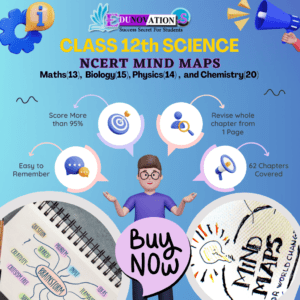
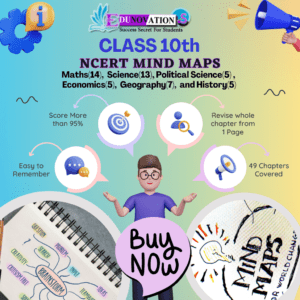
Toppers Use Mind Maps to score more than 95%
NCERT Class 11th Commerce Mind Maps
Add to cartOriginal price was: ₹999.00.₹199.00Current price is: ₹199.00.NCERT Class 12th Chemistry Mind Maps
Add to cartOriginal price was: ₹199.00.₹75.00Current price is: ₹75.00.NCERT Class 12th Commerce Mind Maps
Add to cartOriginal price was: ₹999.00.₹199.00Current price is: ₹199.00.NCERT Class 12th Science Mind Maps
Add to cartOriginal price was: ₹999.00.₹199.00Current price is: ₹199.00.NCERT Mind Maps For Class 10th
Add to cartOriginal price was: ₹999.00.₹199.00Current price is: ₹199.00.



Purchase Today
FAQs
1. How to build a supportive local running community for beginners? Focus on creating an inclusive environment where the goal is attendance and enthusiasm rather than pace. Prioritize social interaction during runs.
2. What are the key mental benefits of long-distance running for beginners? Running helps reduce stress, fosters patience, builds mental resilience, and provides a necessary escape from the daily pressure of outcomes-based performance.
3. How to start training for your first ultra-marathon without burning out? Start with consistent, smaller distances, join a supportive group, and listen to your body rather than chasing unrealistic mileage goals.
4. Can running for mental health and community connection help with academic stress? Yes, physical activity releases endorphins and provides a “mental break,” which can improve focus and retention for students balancing heavy study loads.
5. What are the best tips for organizing unsupported long-distance running safely? Always plan your route thoroughly, carry hydration/first-aid supplies, maintain a pace that suits the slowest member, and ensure all participants are aligned on the “no-one-left-behind” rule.
6. Does running really change your personality? According to filmmaker Basav Biradar, the duration required for long-distance running can make individuals more patient and kinder toward themselves and others.
7. Is a long-distance run possible without a formal training plan? While guidance is helpful, the documentary shows that a culture of mutual care and shared purpose can sustain runners through significant distances even without an “organized” race structure.
8. How do I maintain community enthusiasm when training gets hard? Focus on the social aspect. People stay because they feel accepted, not just because they are hitting a specific speed goal.
9. Can I balance professional training with my academic studies? Yes, by using effective tools like Mind Maps and online courses, you can manage your time effectively, ensuring you have enough bandwidth for both mental and physical health.
10. Why is “no one left behind” so important in community running? It shifts the focus from individual achievement to collective success, making the environment welcoming for runners of all skill levels.