Preparing for the Central Board of Secondary Education (CBSE) examinations involves meticulous planning, coordination, and administrative precision.
Introduction to CBSE Board Examination Preparations
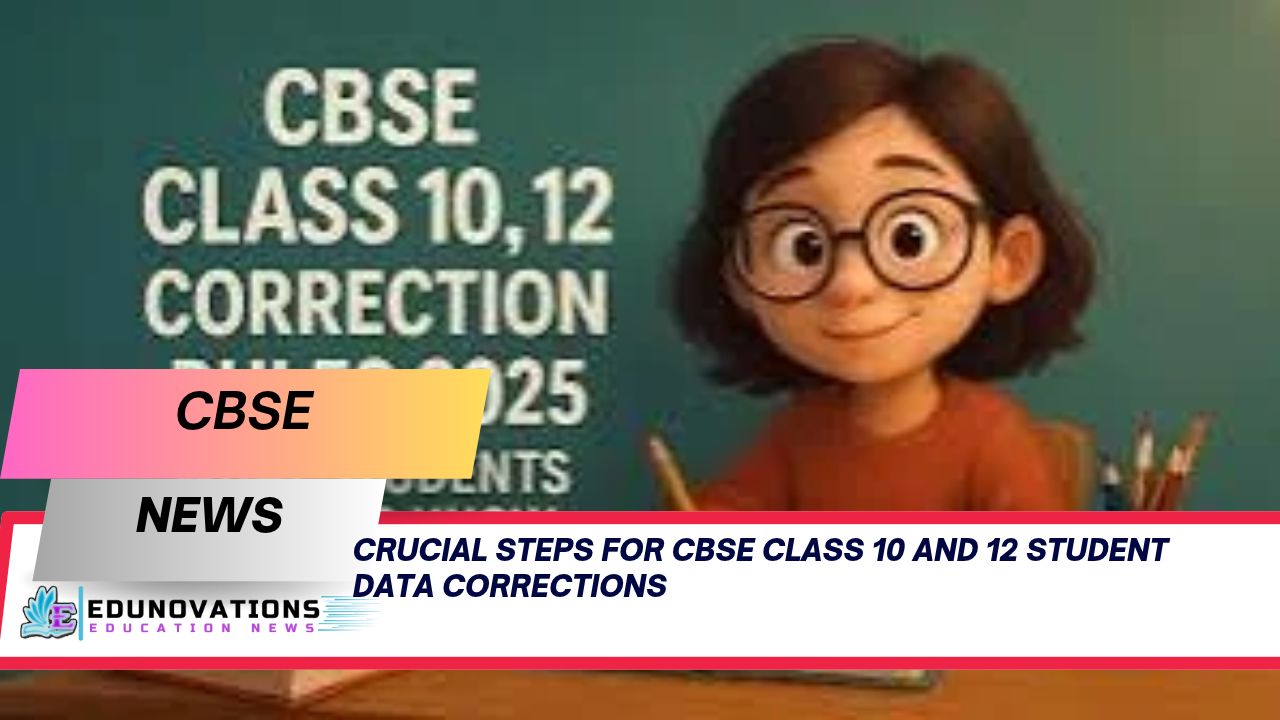
Preparing for the Central Board of Secondary Education (CBSE) examinations involves meticulous planning, coordination, and administrative precision. Every academic year, lakhs of students register for the Class 10 and Class 12 board examinations. A critical milestone in this preparation cycle is the submission of the List of Candidates (LOC). Following the conclusion of the initial registration and application phases, the board opens an exclusive official portal phase to help educational institutions refine records.
For school administrators, teachers, parents, and students alike, ensuring absolute accuracy in official documentation is paramount. Minor typographical errors in student names, guardian spellings, dates of birth, or subject combinations can cascade into major complications during certificate issuance, higher education admissions, and future employment verification. To mitigate these risks, understanding the mechanics of the correction schedule is essential. For students looking to supplement their academic preparation during this period, exploring structured resources like NCERT Courses can provide a solid foundation. Furthermore, keeping track of broader educational updates through Current Affairs ensures students remain informed about general developments.
Understanding the Significance of the Registration and Correction Cycle
The List of Candidates (LOC) serves as the foundational database from which CBSE generates admit cards, mark sheets, and passing certificates. Any discrepancy left unaddressed during the initial registration phases becomes deeply entrenched in official records. Historically, correcting demographic details post-examination involves tedious bureaucratic procedures, legal affidavits, and prolonged communication with regional board offices.
To circumvent these post-exam hassles, the board institutionalized a dedicated data verification window. During this timeline, schools are granted administrative access to review uploaded information thoroughly. Educational institutions partnering with professional management frameworks, such as Mart Ind Infotech, often streamline their internal data management systems to ensure no administrative gaps remain during high-stakes board compliance windows.
Detailed Breakdown of Permitted Corrections
Not all fields within the LOC portal carry the same flexibility. While typographical errors are routinely addressed, structural alterations such as adding entirely new candidates or executing unapproved category shifts face strict regulatory barriers. School administrators must pay close attention to specific fields during the review process:
- Demographic Spellings: Verifying that student, mother, and father names match the official Admission and Withdrawal Register precisely.
- Date of Birth Verification: Ensuring the recorded birth date matches school archives down to the exact day, month, and year.
- Subject Combinations and Codes: Confirming that elective subjects, language choices, and core papers (such as Mathematics Standard versus Mathematics Basic for Class 10) are correctly mapped.
- Category and Sub-category Mapping: Ensuring accurate data for Differently Abled (CWSN) candidates and correct social category classifications supported by valid documentation.
For candidates seeking structured practice alongside their core syllabus revision, utilizing comprehensive Notes and practicing targeted MCQ’s can greatly enhance conceptual clarity while administrative formalities are settled in the background.
Step-by-Step Procedure for School Authorities
Navigating the official portal requires adherence to systematic protocols. Because individual students cannot directly edit their registration databases, schools must act as the primary facilitators. The step-by-step workflow for executing modifications includes:
- Accessing the Official Portal: Navigate to the official CBSE web portal and access the Pariksha Sangam or examination section using authorized school credentials.
- Retrieving Candidate Lists: Open the specific LOC module designated for the current academic session.
- Cross-Referencing Physical Files: Compare the digital entries against hard-copy admission forms, scholar registers, and signed parental acknowledgments.
- Executing Modifications: Input approved corrections carefully, ensuring all spelling variations and option selections comply with board standards.
- Final Submission and Verification: Review the modified summary sheet, complete final electronic validation, and retain confirmation receipts for institutional auditing.
To aid in visual retention of complex topics while board preparation swings into full gear, students can reference visual aids like NCERT Mind Maps. Additionally, accessing structured Videos and downloading official study material via Downloads of Free NCERT PDFs ensures uninterrupted learning.
Expert Insights and Administrative Best Practices
Educational analysts and school leadership experts emphasize that data accuracy is a shared responsibility. According to prominent educationist and institutional consultant Dr. Harish Sharma, “The integrity of a student’s academic journey begins long before the first examination bell rings; it rests entirely on the precision of foundational data entry. Schools that implement dual-verification protocols involving parents drastically reduce post-exam grievance cases.”
Statistical trends from previous examination cycles indicate that nearly 12% to 15% of initial registration files contain minor typographical or demographic variances. Left unchecked, these minor errors frequently result in delayed certificate clearances or discrepancies during college admissions counseling. Experts recommend that school examination cells establish a three-tier verification committee comprising the class teacher, the parent, and the principal to sign off on candidate data before final submission locking.
For comprehensive alignment with academic milestones, keeping abreast of the latest curriculum adjustments through the official Syllabus portal is strongly recommended for both educators and learners.
Toppers Use Mind Maps to score more than 95%
-
NCERT Class 11th Commerce Mind Maps
Add to cartOriginal price was: ₹999.00.₹199.00Current price is: ₹199.00. -
NCERT Class 12th Chemistry Mind Maps
Add to cartOriginal price was: ₹199.00.₹75.00Current price is: ₹75.00. -
NCERT Class 12th Commerce Mind Maps
Add to cartOriginal price was: ₹999.00.₹199.00Current price is: ₹199.00. -
NCERT Class 12th Science Mind Maps
Add to cartOriginal price was: ₹999.00.₹199.00Current price is: ₹199.00. -
NCERT Mind Maps For Class 10th
Add to cartOriginal price was: ₹999.00.₹199.00Current price is: ₹199.00.





Purchase Today
Frequently Asked Questions
1. What is the primary purpose of the CBSE LOC correction window?
The correction window allows affiliated schools to review, verify, and rectify minor typographical or demographic errors in student data submitted via the List of Candidates (LOC) before final examination processing begins.
2. Can individual students directly modify their details on the portal?
No, students cannot edit data independently. All modifications must be routed through their respective school authorities using the institution’s official login credentials.
3. Which specific details can be updated during the correction period?
Schools can typically correct minor spelling mistakes in the student’s name, parents’ names, date of birth, and specific subject codes or elective choices, subject to board guidelines.
4. Is there an extra fee required for making corrections?
Minor corrections such as spelling updates or surname additions generally do not attract extra fees, whereas changes involving late submissions or specific category adjustments may attract prescribed board charges.
5. What happens if a school misses the correction deadline?
Once the official correction window closes, the board locks the database. Subsequent requests for data changes are rarely entertained, making adherence to the deadline critical.
6. How can parents ensure their child’s details are correct?
Parents should thoroughly review the registration cards and verification sheets provided by the school prior to final submission and report any discrepancies immediately.
7. Are subject changes permitted during this window?
Major subject changes are strictly restricted or prohibited after the main LOC submission phase closes, though minor corrections aligned with board policies may be considered.
8. Which portal do schools use to access the correction facility?
Schools use their official credentials on the designated CBSE examination and regional portal platforms, such as Pariksha Sangam, to view and update student records.
9. Why is data accuracy in the LOC critical for future use?
The information submitted in the LOC is directly transferred to printed mark sheets, pass certificates, and migration records, which are referenced throughout higher education and career verification.
10. Who should schools contact in case of technical portal errors?
If technical glitches occur during the correction process, school authorities should immediately contact their respective CBSE Regional Office for technical support.