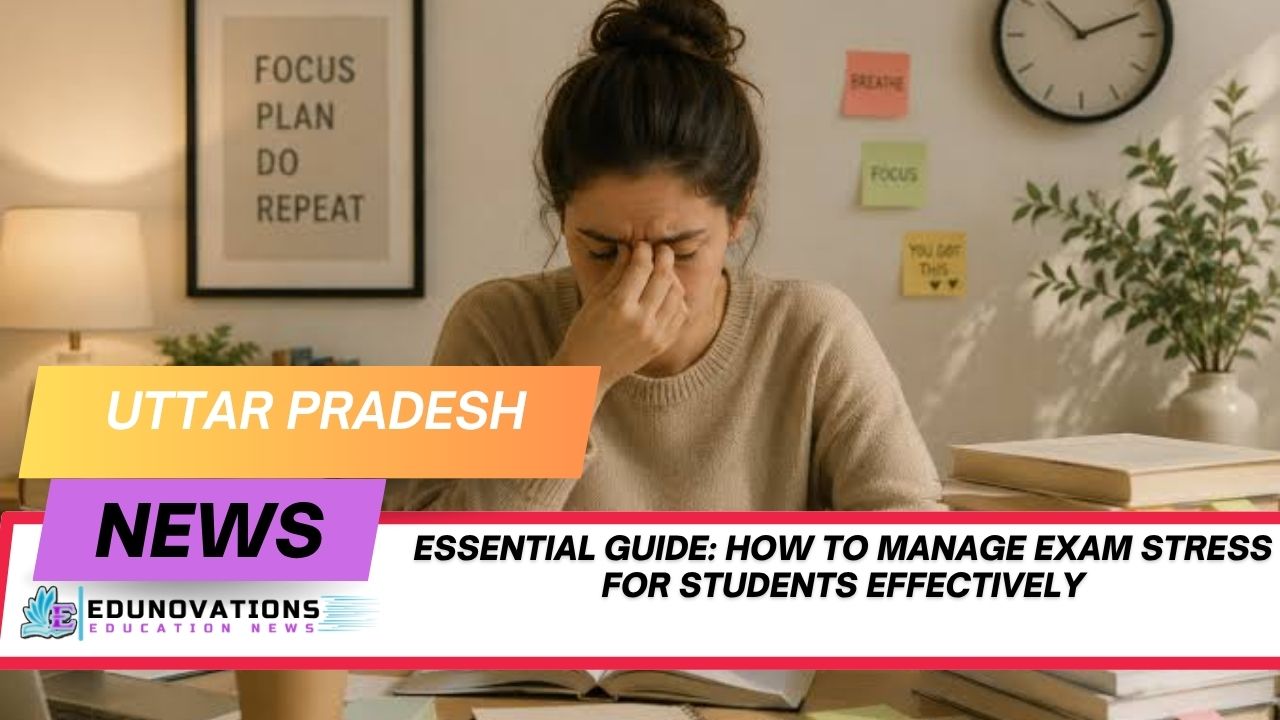
In today’s high-pressure academic environment, the well-being of our youth has become a paramount concern for educators, parents, and policymakers alike.
In today’s high-pressure academic environment, the well-being of our youth has become a paramount concern for educators, parents, and policymakers alike. Recent initiatives, such as the adolescent education training programs conducted at institutions like SS Inter College, highlight a critical shift: academic success is no longer viewed in isolation from mental and physical health. As students navigate the complexities of modern education, learning how to manage exam stress for students effectively has become as vital as mastering the curriculum itself.
The pressure to perform in board examinations, competitive entrance tests, and daily assessments often leads to burnout. Experts, including noted psychologists like Dr. Mangalam, emphasize that stress is not merely an emotional reaction; it is a physiological response that, if unmanaged, can derail a student’s potential. By integrating holistic training into the school day—covering everything from mindfulness to substance abuse awareness—we are equipping the next generation with the tools to thrive.
Understanding the Roots of Academic Pressure
To address the challenge, we must first understand the landscape. Adolescence is a period of rapid neurobiological change. When combined with the high stakes of modern schooling, students often find themselves overwhelmed. The recent training sessions focused on identifying the causes of stress—be it peer pressure, parental expectations, or the sheer volume of the syllabus.
For those looking to supplement their formal education, resources like NCERT Courses provide structured learning paths that can significantly reduce the anxiety associated with unorganized study habits. Proper planning, as outlined in available Syllabus documents, allows students to pace their learning, which is a fundamental step in how to manage exam stress for students effectively.
Integrating Mindfulness into Student Life
Mindfulness has emerged as a scientifically backed strategy to combat academic anxiety. Unlike traditional study techniques that focus on input, mindfulness focuses on the internal state of the learner. During the sessions, participants were guided through mindfulness exercises designed to stabilize the nervous system.
Practicing mindfulness activities for teenagers to reduce anxiety is not about eliminating stress entirely—as a certain level of stress can be a motivator—but about preventing it from becoming debilitating. By centering the mind, students can improve their concentration, which is essential when preparing for exams. For visual learners, NCERT Mind Maps can serve as a mindful way to organize complex information, reducing the cognitive load that often contributes to test anxiety.
Proactive Approaches to Substance Abuse Prevention
A worrying trend in recent years is the increase in adolescents turning to external substances to cope with academic or social pressure. The training programs highlighted the necessity of equipping students with healthy coping mechanisms early on. It is essential for educators to implement simple ways to help teenagers avoid substance abuse by fostering open dialogue and creating safe school environments.
Schools play a pivotal role in this. Technology-driven solutions, such as those offered by Mart India Infotech, help schools streamline their administrative and communication processes, allowing educators more time to focus on student mentorship and pastoral care, which are the first lines of defense against addiction.
The Role of Consistent Evaluation and Self-Assessment
Regular testing should not be a source of trauma but a tool for improvement. By engaging with MCQ’s and Notes periodically, students can track their progress without the “all-or-nothing” pressure of major examinations. This consistent engagement is a key component of how to manage exam stress for students effectively.
When students feel prepared, their anxiety levels naturally decrease. Utilizing resources like Current Affairs keeps students grounded in real-world contexts, making their education feel more relevant and less like a burden.
Cultivating Long-Term Resilience
Resilience is not an innate trait; it is a skill developed through consistent practice. Educators like Babita Mehrotra have underscored the importance of digital resources like the PM e-Vidya channel in providing students with a wider support network. Providing access to Videos and Free NCERT PDFs ensures that every student, regardless of their background, has the materials they need to succeed without the unnecessary stress caused by resource scarcity.
Toppers Use Mind Maps to score more than 95%
NCERT Class 11th Commerce Mind Maps
Add to cartOriginal price was: ₹999.00.₹199.00Current price is: ₹199.00.NCERT Class 12th Chemistry Mind Maps
Add to cartOriginal price was: ₹199.00.₹75.00Current price is: ₹75.00.NCERT Class 12th Commerce Mind Maps
Add to cartOriginal price was: ₹999.00.₹199.00Current price is: ₹199.00.NCERT Class 12th Science Mind Maps
Add to cartOriginal price was: ₹999.00.₹199.00Current price is: ₹199.00.NCERT Mind Maps For Class 10th
Add to cartOriginal price was: ₹999.00.₹199.00Current price is: ₹199.00.



Purchase Today
Frequently Asked Questions (FAQs)
- How to manage exam stress for students effectively during finals? Focus on structured schedules, adequate sleep, and breaking down the syllabus into manageable sections.
- What are the best mindfulness activities for teenagers to reduce anxiety? Deep breathing exercises, guided meditation, and progressive muscle relaxation are highly effective.
- Are there simple ways to help teenagers avoid substance abuse? Yes, maintaining strong communication, encouraging extracurricular hobbies, and building a supportive peer circle are key.
- How do mental health tips for adolescents in daily life improve grades? Improved mental health leads to better focus, memory retention, and higher stamina during exam periods.
- Why is it important to learn how to build stress resilience in high school students? Building resilience early prepares students for the higher academic and professional pressures they will face in adulthood.
- Can practicing mindfulness activities for teenagers to reduce anxiety help with sleep? Yes, mindfulness helps calm the racing thoughts that often prevent students from getting restorative sleep before an exam.
- What are some simple ways to help teenagers avoid substance abuse when they feel stressed? Encourage them to practice physical exercise, journaling, or speaking to a counselor rather than seeking quick-fix substances.
- What are the best mental health tips for adolescents in daily life? Prioritize consistent routines, limit screen time before bed, and practice positive self-talk.
- How does learning how to build stress resilience in high school students benefit teachers? Resilient students are more engaged, easier to manage in a classroom setting, and produce higher-quality academic work.
- Where can I find resources to help students learn how to manage exam stress for students effectively? Utilize institutional platforms for study notes, syllabi, and practice papers to reduce the uncertainty that fuels stress.