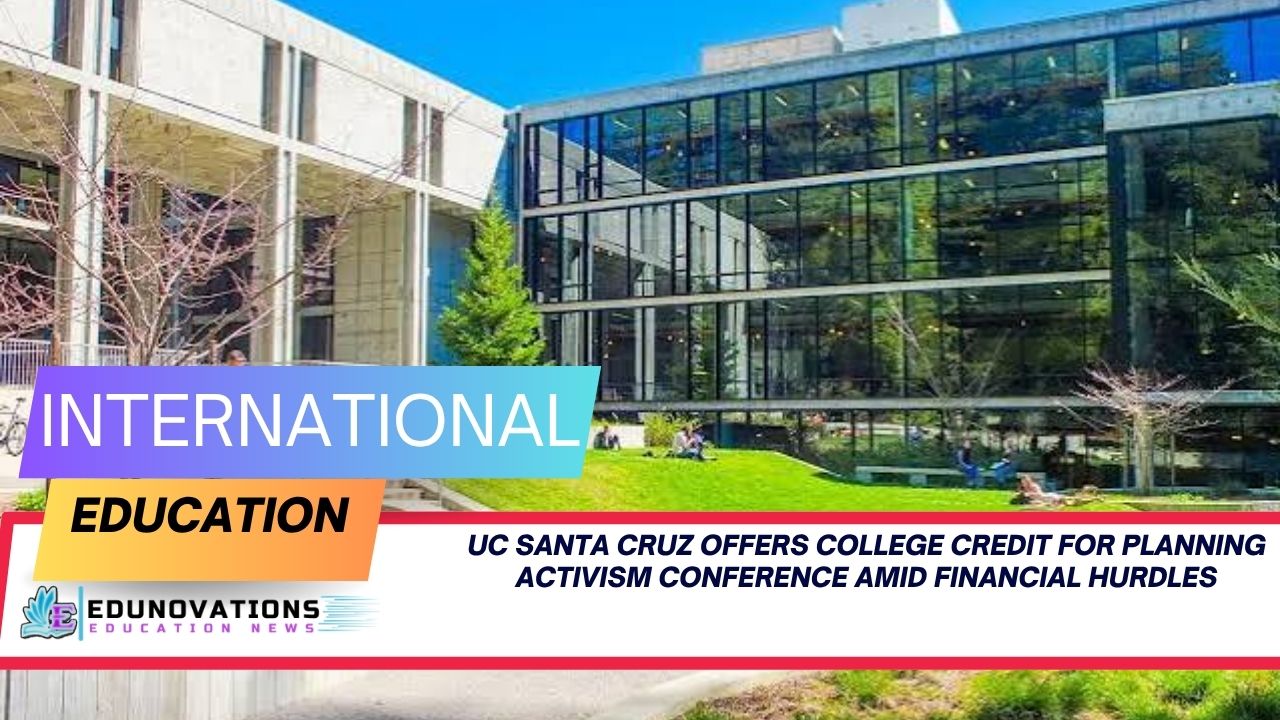
The landscape of modern higher education continues to evolve rapidly, blending traditional academic structures with modern civic engagement initiatives.
Introduction to Contemporary Higher Education Trends
The landscape of modern higher education continues to evolve rapidly, blending traditional academic structures with modern civic engagement initiatives. Across the United States, universities face mounting pressures to balance fiscal responsibility with dynamic curricular offerings. A striking example of this balancing act unfolds in California, where institutional priorities intersect directly with student-led political and social organization. For students seeking unique academic pathways, academic institutions are increasingly integrating hands-on community organizing into formal graduation requirements.
Understanding how universities structure their curricula provides valuable insight into broader trends in student development. Observers of higher education administration frequently analyze how institutional funding decisions impact classroom availability, student life, and extracurricular programs. As universities navigate complex economic environments, examining specific campus policies offers a window into the changing priorities of modern academia. This comprehensive review explores the administrative decisions, student opportunities, and broader societal discussions surrounding institutional support for civic engagement programs.
Administrative Context and Financial Realities
Institutional funding remains a critical topic of discussion among academic administrators, faculty members, and student bodies alike. Public universities across the nation frequently encounter complex budgetary challenges, requiring careful allocation of core funds and operational resources. Balancing fiscal constraints with educational delivery demands strategic planning and administrative oversight.
Recent financial disclosures from western academic institutions highlight the ongoing efforts required to maintain fiscal stability. Campus leadership teams routinely implement cost-saving measures, structural reorganizations, and administrative reviews to address operational deficits. Despite these financial hurdles, many universities maintain longstanding commitments to specialized curricular programs, experiential learning opportunities, and student-run conferences.
Financial & Operational Overview:
• Total Annual Operating Budget: Approximately $1.08 billion
• Remaining Structural Deficit: Estimated at $53 million in core funds
• Achieved Savings Milestone: $26 million in ongoing operational savings
• Cumulative Three-Year Savings: Reached $99 million through targeted cost-cutting
Administrators argue that experiential learning initiatives, such as event planning courses and community engagement workshops, provide essential professional development. Proponents suggest that organizing large-scale public forums equips students with practical project management skills, public speaking experience, and collaborative problem-solving capabilities. Conversely, critics and fiscal watchdogs occasionally question the allocation of institutional resources toward specialized political or social justice coursework during periods of severe budget constraints. This ongoing debate underscores the delicate equilibrium universities must maintain between fiscal stewardship and comprehensive student development.
Curricular Integration and Academic Structure
Academic programs that bridge theoretical coursework with hands-on event management represent a distinct category within modern university catalogues. Integrating practical project execution into standard graduation requirements allows undergraduates to earn course credit while engaging with pressing societal questions.
Structured learning environments within specialized residential colleges often facilitate these unique academic opportunities. By combining classroom instruction with direct community outreach, universities encourage participants to critically evaluate complex social dynamics.
The Mechanics of Event Planning Courses
Courses designed to support large-scale student conferences typically involve multi-phase preparation schedules spanning multiple academic quarters. Enrolled participants engage in tasks ranging from workshop coordination and promotional outreach to guest speaker procurement and logistics management.
- Quarterly Milestones: Initial quarters often focus on foundational readings, thematic development, and preliminary logistical frameworks. Subsequent quarters emphasize active execution, marketing campaigns, and on-site event coordination.
- General Education Fulfillment: Successful completion of these specialized courses frequently satisfies specific university general education requirements, allowing students to make steady progress toward degree completion.
- Attendance and Participation: Curricula often prioritize active attendance, collaborative discussions, and peer review over traditional written examinations, fostering an immersive learning environment.
Educational experts note that such courses encourage students to analyze historical contexts, institutional structures, and contemporary public policy debates. Academic advisors often encourage undergraduates to explore diverse subjects through foundational NCERT courses to build a robust interdisciplinary knowledge base.
Perspectives on Social Justice Curriculum and Student Activism
The expansion of social justice initiatives within public universities has sparked nationwide discussions regarding academic freedom, ideological diversity, and the core mission of higher education. Supporters maintain that exposing students to diverse perspectives on power, privilege, and systemic inequality prepares them to navigate an increasingly interconnected global society.
Advocates of campus-based activism argue that experiential learning empowers young adults to become active, informed citizens capable of driving positive community change. Engaging in structured dialogue about complex social themes fosters critical thinking and encourages respectful discourse among individuals holding divergent viewpoints.
Expert Insights and External Commentary
Prominent commentators, educational researchers, and public policy analysts frequently debate the appropriate role of political activism within formal academic curricula. Dr. Robert Henderson, a noted higher education analyst and author of The Changing Campus, offers perspective on these evolving institutional priorities:
“Modern universities find themselves at a crossroads where traditional scholarship intersects with active civic participation. While critics worry about ideological capture, institutional leaders often view these programs as vital laboratories for developing leadership, negotiation, and organizational skills among undergraduates.”
Furthermore, legal scholars and free-speech advocates closely monitor how universities manage ethical guidelines, codes of conduct, and participation rules during politically charged campus events. Ensuring that all students feel welcome to express diverse opinions remains a paramount concern for academic administrators striving to uphold institutional neutrality and intellectual pluralism.
To support comprehensive academic research and interdisciplinary study, students and educators frequently utilize structured resources, including detailed current affairs summaries and specialized notes to enhance their understanding of contemporary educational policy.
Institutional Governance and Economic Sustainability
Maintaining fiscal health while preserving academic quality requires constant vigilance from university regents, chancellors, and financial officers. As public funding models shift, academic institutions increasingly rely on diverse revenue streams, targeted cost reductions, and philanthropic support.
Strategic financial planning involves meticulous evaluation of instructional costs, administrative overhead, and facility maintenance expenses. Transparent reporting mechanisms ensure that faculty and student stakeholders remain informed about institutional budgetary health and upcoming restructuring initiatives.
Key Administrative Strategies:
1. Conducting comprehensive audits of core fund allocations.
2. Implementing phased administrative reorganizations to reduce redundancy.
3. Enhancing energy efficiency and facility utilization to lower operating costs.
4. Expanding philanthropic outreach to support scholarship funds and research grants.
Navigating these complex financial waters requires decisive leadership and constructive dialogue across all levels of the university community. By fostering open communication channels, academic institutions can successfully address budgetary shortfalls without compromising their fundamental dedication to student success and academic excellence.
Toppers Use Mind Maps to score more than 95%
-
NCERT Class 11th Commerce Mind Maps
Add to cartOriginal price was: ₹999.00.₹199.00Current price is: ₹199.00. -
NCERT Class 12th Chemistry Mind Maps
Add to cartOriginal price was: ₹199.00.₹75.00Current price is: ₹75.00. -
NCERT Class 12th Commerce Mind Maps
Add to cartOriginal price was: ₹999.00.₹199.00Current price is: ₹199.00. -
NCERT Class 12th Science Mind Maps
Add to cartOriginal price was: ₹999.00.₹199.00Current price is: ₹199.00. -
NCERT Mind Maps For Class 10th
Add to cartOriginal price was: ₹999.00.₹199.00Current price is: ₹199.00.


Purchase Today
Comprehensive Frequently Asked Questions
1. What are the primary objectives of the student-organized conference discussed in recent educational reports?
The conference aims to provide a collaborative platform for undergraduates to explore complex social issues, engage in workshops addressing power and equity, and develop practical event management skills.
2. How do participating undergraduates earn academic credit through conference organization?
Students enroll in specialized academic courses spanning multiple quarters, where they participate in planning committees, coordinate workshops, manage publicity, and fulfill institutional general education requirements.
3. What financial challenges have recently impacted public university operations in California?
Public universities have faced significant structural budget deficits in their core funds, necessitating ongoing cost-cutting measures, administrative savings milestones, and strategic resource reallocations.
4. How do academic advisors view the integration of event planning into undergraduate curricula?
Many advisors emphasize that practical project management and collaborative event coordination build valuable professional competencies that benefit students across diverse career paths.
5. Where can students access reliable educational notes and course materials for foundational studies?
Students looking for structured learning aids can utilize comprehensive educational platforms and digital academic repositories to support their academic pursuits.
6. What role do institutional ethics guidelines play in managing large-scale student events?
Ethics statements establish baseline rules regarding respectful conduct, prohibiting harassment or bigotry while setting behavioral expectations for all conference participants and organizers.
7. How do external observers evaluate the inclusion of social justice courses in higher education?
Observers offer varied viewpoints; supporters highlight leadership development and civic engagement, while critics raise questions regarding ideological balance and resource allocation during budgetary constraints.
8. What resources are available for tracking current developments in higher education policy?
Individuals interested in academic policy updates frequently consult specialized current affairs portals, institutional newsletters, and educational research publications.
9. Why is multi-quarter course planning utilized for organizing major campus events?
Multi-quarter frameworks allow students to methodically progress from foundational conceptualization and thematic design to active logistical execution and post-event evaluation.
10. How can academic institutions maintain fiscal sustainability while supporting diverse student programs?
Institutions achieve sustainability by implementing targeted operational savings, conducting regular budget reviews, and prioritizing core educational missions alongside student development initiatives.