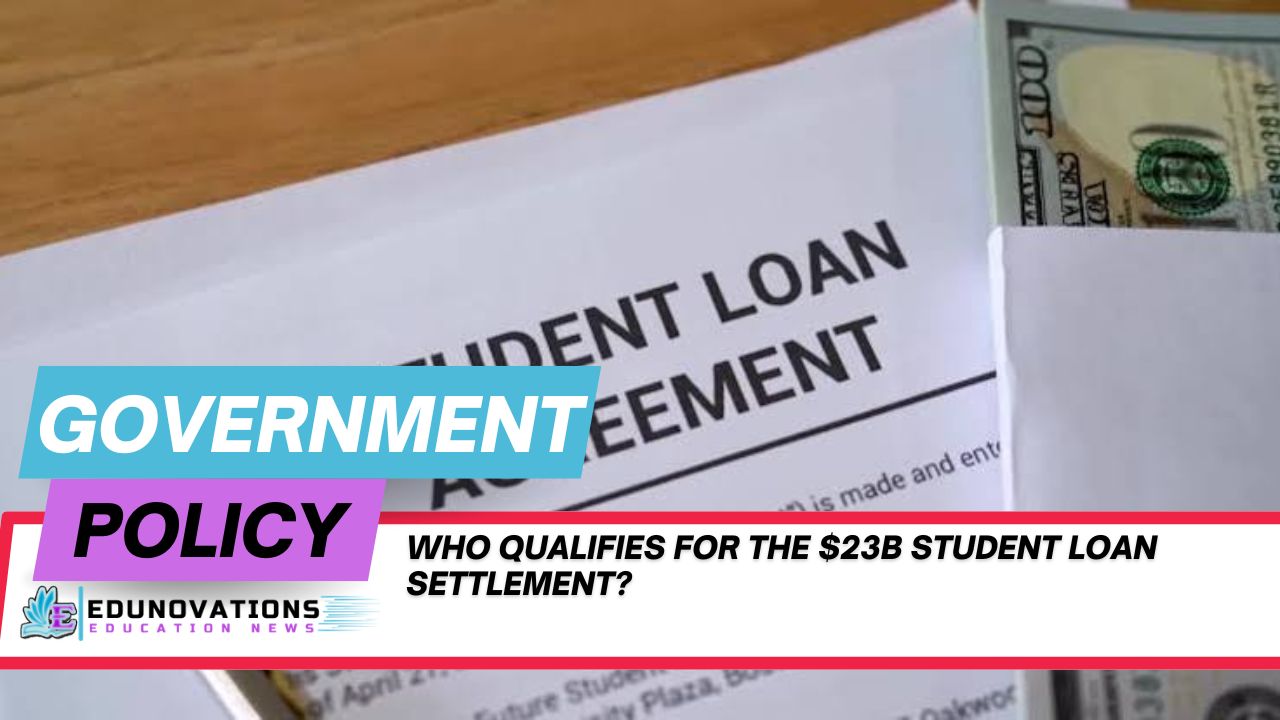
The landscape of higher education funding and federal debt relief has shifted dramatically following a monumental legal resolution.
Introduction to the Landmark Student Loan Decision
The landscape of higher education funding and federal debt relief has shifted dramatically following a monumental legal resolution. Nearly 450,000 federal student loan borrowers who have long argued that they were systematically misled and defrauded by predatory for-profit institutions are finally moving closer to structural justice. A federal appeals court recently cleared the pathway for a sweeping $23 billion class-action agreement, effectively dismantling mountains of crippling debt that had weighed down working-class families and young professionals for years.
For years, students navigating higher education options relied on institutional promises regarding career placement, credit transfers, and post-graduation earning potentials. When those promises proved to be deceptive marketing strategies, many found themselves stranded with useless credentials and insurmountable balances. This comprehensive overview explores the core mechanics of the ruling, the impact on affected individuals, and how you can track your status using resources like Notes or verify programmatic updates through Current Affairs.
Understanding the Legal Battle and Background
The origins of this breakthrough trace back to a protracted legal struggle that began in 2019. Originally filed against federal education authorities during the initial Trump administration, the lawsuit—famously known in legal archives as Sweet v. McMahon (previously styled under prior administration officials as Sweet v. DeVos and Sweet v. Cardona)—challenged the systemic delays and arbitrary denials surrounding federal Borrower Defense to Repayment applications.
Under federal regulations, the Borrower Defense program exists to protect students whose schools engaged in unlawful misrepresentation or fraud. However, hundreds of thousands of applications languished in administrative backlogs for years without resolution. The 2022 agreement brokered under the Biden administration sought to change that by granting automatic discharges to individuals who attended a predetermined list of over 150 mostly for-profit colleges, while opening a secondary window for post-class applicants.
Subsequent legal maneuvers attempted to stall implementation, but a crucial ruling by the U.S. Court of Appeals for the Ninth Circuit struck down requests for extended review delays. This unlocked relief for roughly 190,000 additional post-class borrowers, culminating in the aggregate total of 450,000 beneficiaries and a monumental $23 billion footprint.
Expert Insights and Human Impact
The magnitude of this legal milestone cannot be overstated. Eileen Connor, executive director of the Project on Predatory Student Lending (PPSL)—the legal advocacy group that spearheaded the litigation—shared critical perspective on the outcome:
“At the end of the day, this settlement has impacted over 450,000 people, and it’s improved their personal balance sheets by over $23 billion,” Connor stated. “Once all of the required loan discharges and refunds are completed, the Sweet settlement will be the largest ever against the U.S. government.”
Legal scholars and consumer advocates emphasize that the average federal student loan balance cleared under this agreement exceeds $48,000. Furthermore, eligible participants stand to receive substantial monetary restitution; historical data indicates that typical cash refunds for past payments made on those fraudulent loans exceed $15,000 per borrower. For institutional frameworks looking to streamline transparent educational documentation or administrative compliance, technology partners like Mart Ind Infotech offer valuable digital infrastructure solutions.
Key Metrics and Settlement Breakdown
To fully contextualize the scope of this financial turnaround, consider the following structural metrics:
- Total Beneficiaries: Approximately 450,000 federal student loan borrowers.
- Total Financial Relief: Over $23 billion in canceled federal debt.
- Average Loan Elimination: Exceeds $48,000 per qualifying individual.
- Average Cash Refund: Typically surpasses $15,000 for prior out-of-pocket remittances.
- Mandatory Completion Deadline: The U.S. Department of Education has until June 2027 to execute all remaining discharges.
For students tracking broader academic structures, curriculum updates, or competitive test preparation materials, checking resources like NCERT Courses and practicing with MCQ’s ensures well-rounded educational planning.
Step-by-Step Navigation for Affected Borrowers
Navigating federal bureaucratic systems requires diligence. Borrowers wondering about their standing do not need to make ongoing loan payments while administrative processing takes place. Educational guides and downloadable study frameworks can be accessed via Downloads of Free NCERT PDFs alongside visual structural frameworks found at NCERT Mind Maps. To examine course progression and structural timelines, review the official Syllabus or watch expert breakdowns on Videos.
Toppers Use Mind Maps to score more than 95%
NCERT Class 11th Commerce Mind Maps
Add to cartOriginal price was: ₹999.00.₹199.00Current price is: ₹199.00.NCERT Class 12th Chemistry Mind Maps
Add to cartOriginal price was: ₹199.00.₹75.00Current price is: ₹75.00.NCERT Class 12th Commerce Mind Maps
Add to cartOriginal price was: ₹999.00.₹199.00Current price is: ₹199.00.NCERT Class 12th Science Mind Maps
Add to cartOriginal price was: ₹999.00.₹199.00Current price is: ₹199.00.NCERT Mind Maps For Class 10th
Add to cartOriginal price was: ₹999.00.₹199.00Current price is: ₹199.00.



Purchase Today
Frequently Asked Questions
1. Who qualifies for the $23B student loan settlement?
Borrowers who attended a designated list of more than 150 mostly for-profit institutions and submitted a valid Borrower Defense application within the specified window qualify for automatic or post-class relief.
2. What is the official name of the legal case driving this debt relief?
The litigation is officially recognized as Sweet v. McMahon, which evolved through prior legal designations including Sweet v. DeVos and Sweet v. Cardona.
3. How much debt is being cleared on average per borrower?
The average federal student loan balance wiped out under the parameters of this historic class-action settlement exceeds $48,000.
4. Will eligible participants receive cash refunds for past payments?
Yes, eligible individuals may receive refunds for previous out-of-pocket payments made on those fraudulent loans, with typical refunds exceeding $15,000.
5. What is the final deadline for the Education Department to process discharges?
The federal appeals framework and settlement guidelines mandate that the U.S. Department of Education complete all loan cancellations and adjustments by June 2027.
6. Do borrowers need to make monthly loan payments while waiting?
No, affected class members and approved post-class applicants are generally not required to maintain loan payments while awaiting the formal execution of their debt discharge.
7. Which organization filed the initial lawsuit back in 2019?
The lawsuit was filed by the Project on Predatory Student Lending (PPSL) on behalf of defrauded student borrowers.
8. How can a borrower verify if their specific school is included?
Borrowers can review the official Exhibit C school lists provided by advocacy groups like PPSL or check updates directly through federal student aid portals.
9. What legal program serves as the foundation for this cancellation?
The foundation rests on the federal Borrower Defense to Repayment regulation, which permits debt erasure if a school used deceptive practices to induce enrollment.
10. Who was Eileen Connor and what was her role in the case?
Eileen Connor serves as the executive director of the Project on Predatory Student Lending, guiding the legal team that secured this historic settlement.