IIT Kanpur hosts the 2025 Engineers Conclave focusing on intelligent systems and cyber physical themes in India. The event unites academia, industry, and innovators to foster national engineering excellence.
Introduction
India’s technological aspirations gained a new dimension with the 2025 Engineers Conclave intelligent systems and cyber physical themes India, hosted at the Indian Institute of Technology (IIT) Kanpur. Organized jointly by the Indian National Academy of Engineering (INAE) and IIT Kanpur, the conclave brought together a diverse community of thought leaders, scientists, engineers, policymakers, and innovators from across the nation.
This annual conclave is widely recognized as a national engineering excellence platform, where ideas converge from multiple disciplines to shape the future of technology-driven development. The 2025 edition placed a strong emphasis on intelligent systems and interdisciplinary cyber physical systems, recognizing their critical role in India’s evolving industrial and research landscape.
The Vision of Engineers Conclave 2025
The Engineers Conclave 2025 was conceived as a platform to integrate cross-sector knowledge and stimulate dialogue on how intelligent systems and cyber physical technologies could redefine India’s industrial future. It served as a bridge between academia, research institutions, and industries, highlighting the power of collaboration in addressing national engineering challenges.
Experts from premier institutions like IITs, DRDO, ISRO, and leading manufacturing firms participated in the discussions. According to organizers, the event underscored India’s commitment to nurturing technological self-reliance and innovation for sustainable growth.
Focusing on Intelligent Systems and Cyber Physical Themes
One of the most compelling aspects of this conclave was its focus on intelligent systems—technologies that combine machine learning, data analytics, and automation to create self-improving processes. These systems have applications across healthcare, manufacturing, transport, and defense, aligning closely with India’s “Digital India” and “Make in India” initiatives.
The cyber physical themes explored during the conclave delved into the interaction between computing algorithms and real-world physical systems, such as robotics, smart grids, and autonomous vehicles. These discussions reinforced India’s goal of integrating cyber physical systems in critical sectors like defense, manufacturing, and energy to enhance efficiency, safety, and precision.
Interdisciplinary Collaboration for India’s Engineering Future
The interdisciplinary cyber physical systems event India engineering education 2025 theme resonated deeply with participants who believe that the future of engineering depends on collaboration across fields. IIT Kanpur, known for pioneering innovations in engineering education, showcased its research on cyber physical systems, intelligent sensing networks, and smart automation.
The event featured plenary sessions, technical workshops, and panel discussions that encouraged knowledge sharing among researchers and practitioners. One of the highlights was a special session on “Education for Industry 4.0,” where experts discussed how academic curricula must adapt to prepare future engineers for digital transformation.
For students and educators exploring the latest in engineering studies, platforms like NCERT Courses and Current Affairs offer additional resources to stay updated on modern educational frameworks.
Industry-Academia Synergy for Intelligent Engineering
A key takeaway from the event was the industry-academia collaboration in intelligent systems engineering India 2025 initiative, which aims to strengthen India’s industrial R&D ecosystem. This initiative focuses on joint research projects, technology transfer, and startup incubation that foster innovation-led economic growth.
Industry leaders from Larsen & Toubro, Tata Advanced Systems, and Bharat Electronics Ltd. participated in these sessions, emphasizing how collaboration can transform India into a hub of intelligent manufacturing. According to Prof. Abhay Karandikar, Director of IIT Kanpur, “Bringing together researchers, students, and industry leaders is essential for driving innovation that benefits society and strengthens our national capabilities.”
For aspiring engineers seeking practical exposure to such innovations, platforms like Notes, MCQs, and Videos on Edunovations provide curated learning materials aligned with national educational standards.
National Engineering Excellence and Innovation Ecosystem
The conclave underscored India’s ambition to create a national engineering excellence platform convergence research industry 2025 India, enabling synergistic development across research and industrial sectors. The forum’s discussions were grounded in the philosophy that a strong innovation ecosystem is essential to achieving self-reliance and technological sovereignty.
Several projects under India’s “National Mission on Interdisciplinary Cyber-Physical Systems (NM-ICPS)” were highlighted, focusing on integrating AI, IoT, and robotics to advance sectors like defense, transportation, and healthcare. The discussions also touched upon global best practices and how Indian institutions could collaborate internationally to accelerate growth.
For research-oriented learners, free NCERT Mind Maps and PDF Downloads can supplement understanding of such cross-disciplinary innovations.
Cyber Physical Systems in Defence Manufacturing
One of the most promising segments of the conclave was its focus on cyber physical systems defence manufacturing manufacturing 4.0 India engineers conclave—a domain critical to India’s self-reliance and national security. Defense experts highlighted how intelligent systems and automated cyber physical solutions can significantly reduce dependency on imports while improving operational readiness.
Speakers from DRDO, BEL, and private defense startups discussed applications like predictive maintenance, simulation-based training, and digital twin technologies. These technologies, when integrated into defense manufacturing, have the potential to transform production efficiency and reduce lifecycle costs.
Such advanced themes underline India’s transition toward a digitally empowered defense ecosystem that supports both indigenous research and international competitiveness.
Empowering Young Engineers and Researchers
The Engineers Conclave 2025 was not limited to experts alone. It served as an educational opportunity for young engineers, students, and researchers to interact with pioneers in the field. The conclave emphasized mentorship, interdisciplinary teamwork, and experiential learning—values that align with the National Education Policy (NEP 2020).
Students attending the event shared how it inspired them to explore new domains like robotics, intelligent automation, and sustainable engineering. For learners wishing to deepen their knowledge base, Edunovations’ Syllabus section offers detailed academic outlines aligned with modern learning standards.
Expert Opinions and Future Directions
Eminent scientist and former ISRO Chairman Dr. K. Radhakrishnan, who participated in previous editions of the Engineers Conclave, noted that events like these “create a fertile ground for innovation and knowledge exchange, crucial for India’s progress toward a technology-driven economy.”
Experts further stressed the need for inclusive research policies, funding support for startups, and global partnerships to maintain India’s competitiveness. The conclave’s outcome is expected to influence policy decisions and institutional collaborations in the upcoming year.
Educational institutions seeking to enhance their digital presence can explore Mart India Infotech, a trusted web development partner for schools and academic organizations.
Conclusion
The 2025 Engineers Conclave intelligent systems and cyber physical themes India successfully positioned itself as a cornerstone event for India’s engineering ecosystem. It not only showcased the country’s technological strength but also set the tone for future advancements in cyber physical systems, intelligent automation, and interdisciplinary innovation.
By fostering cooperation between academia, industry, and policymakers, IIT Kanpur and INAE have reaffirmed India’s position on the global map of engineering innovation. The conclave’s outcomes are expected to guide upcoming research projects, industrial collaborations, and educational reforms aimed at empowering the next generation of engineers.
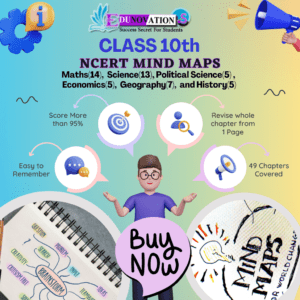
Toppers Use Mind Maps to score more than 95%
NCERT Class 11th Commerce Mind Maps
Add to cartOriginal price was: ₹999.00.₹199.00Current price is: ₹199.00.NCERT Class 12th Chemistry Mind Maps
Add to cartOriginal price was: ₹199.00.₹75.00Current price is: ₹75.00.NCERT Class 12th Commerce Mind Maps
Add to cartOriginal price was: ₹999.00.₹199.00Current price is: ₹199.00.NCERT Class 12th Science Mind Maps
Add to cartOriginal price was: ₹999.00.₹199.00Current price is: ₹199.00.NCERT Mind Maps For Class 10th
Add to cartOriginal price was: ₹999.00.₹199.00Current price is: ₹199.00.




Purchase Today
Frequently Asked Questions (FAQs)
Q1. What was the main focus of the 2025 Engineers Conclave at IIT Kanpur?
The conclave focused on intelligent systems and cyber physical themes shaping India’s future in engineering and technology.
Q2. Who organized the Engineers Conclave 2025?
It was jointly organized by the Indian National Academy of Engineering (INAE) and IIT Kanpur.
Q3. How does the conclave promote interdisciplinary research?
Through workshops and panel discussions, the conclave fosters collaboration among researchers from different engineering disciplines.
Q4. What is the significance of intelligent systems in modern engineering?
Intelligent systems integrate AI, automation, and data analytics to enhance industrial and societal efficiency.
Q5. How does the conclave support industry-academia collaboration?
It provides a shared platform for industries and institutions to partner on R&D, product design, and innovation.
Q6. What are cyber physical systems in defense manufacturing?
They involve integrating computing and physical processes to create advanced defense solutions such as autonomous vehicles and digital twins.
Q7. What are the educational benefits for students attending the Engineers Conclave?
Students gain exposure to cutting-edge research, mentorship opportunities, and hands-on learning experiences.
Q8. How does the conclave align with India’s National Education Policy 2020?
It encourages experiential and interdisciplinary learning, which are core principles of NEP 2020.
Q9. Which institutions participated in the conclave?
Institutions like DRDO, ISRO, and major IITs participated alongside private industries and startups.
Q10. Where can students find more resources on engineering education and current affairs?
Students can explore Edunovations Current Affairs and NCERT Courses for additional learning materials.