On August 15, 2026, India commemorates a monumental chapter in its democratic journey. Marking the 80th Independence Day
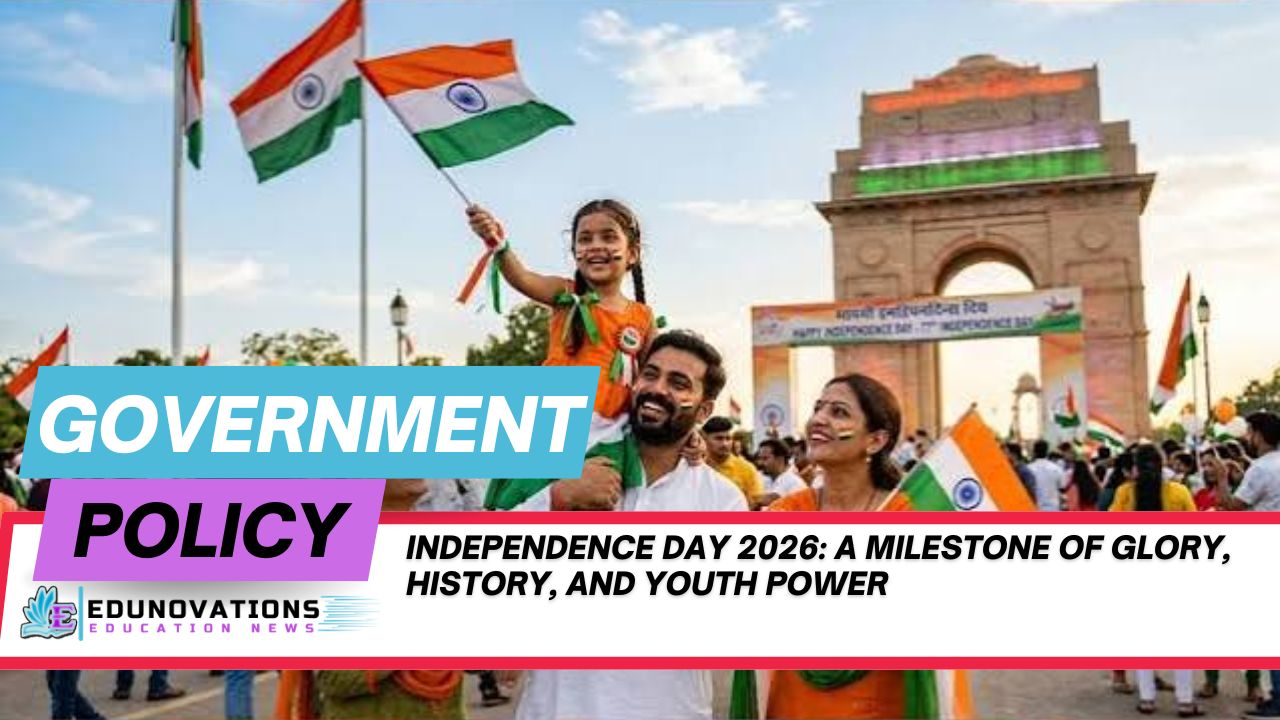
On August 15, 2026, India commemorates a monumental chapter in its democratic journey. Marking the 80th Independence Day, the nation stands at a unique crossroads—honoring the profound legacy of 1947 while charging toward a future defined by global leadership and technological prowess. As the tricolor unfurls at the historic Red Fort, the air is thick with the spirit of “Yuva Shakti,” reflecting a country that is not only young in its demographic dividend but also seasoned in its resolve to achieve the vision of Viksit Bharat 2047.
For a nation that has spent 79 years nurturing its hard-won freedom, this day serves as more than an annual ritual. It is a moment of introspection, celebration, and a call to action for the architects of tomorrow—the youth of India.
The Dawn of a New Era: 80 Years of Sovereign Progress
Since the midnight hour of August 15, 1947, when India broke the shackles of British colonial rule, the nation has evolved from an agrarian-focused society into a global powerhouse of information technology, space exploration, and defense manufacturing. The significance of the 80th Independence Day lies in this transition. We are no longer just celebrating the absence of colonial rule; we are celebrating the presence of a robust, self-reliant, and constitutionally sovereign republic.
The Prime Minister of India, in his address, emphasized that the strength of a nation is measured by the aspirations of its people. As India marches toward the centenary of its independence in 2047, the focus is squarely on structural reforms that ensure every citizen—regardless of their background—is a participant in the national growth story. For students aiming to understand the depth of this journey, our NCERT Courses provide a comprehensive view of the constitutional evolution that supports our current stability.
Yuva Shakti: The Heartbeat of Independence Day 2026
The theme for this year, “Yuva Shakti” (Youth Power), is a deliberate recognition of the demographic shift defining India. With over 65% of the population under the age of 35, the government has positioned the youth as the primary engine for economic and social transformation.
Why Youth Power Matters Today
The “Yuva Shakti” theme is not merely a slogan; it is an economic strategy. Whether through the explosion of the startup ecosystem, advancements in AI and renewable energy, or the unprecedented success of Indian athletes on the global stage, the youth are driving the “Viksit Bharat” vision. As noted by Mart Ind Infotech, technology integration in schools and businesses is the key to maintaining this momentum. By empowering young innovators with the right digital tools, India is effectively shortening its path to becoming a developed economy.
To keep pace with the evolving educational requirements of this generation, we provide curated Current Affairs that help aspirants stay updated with national policy shifts and developmental milestones.
Remembering the Past: The Pillars of Our Freedom
The grandeur of today’s celebration rests on the sacrifices of those who preceded us. The freedom movement was not a single event but a cumulative struggle. From the non-violent mass movements led by Mahatma Gandhi—such as the Non-Cooperation and Quit India Movements—to the revolutionary fervor of Bhagat Singh and the strategic brilliance of Subhas Chandra Bose’s Indian National Army, the tapestry of our independence is woven with immense courage.
As we look back at these heroes, it is essential to internalize their values. For detailed insights into the lives and contributions of these freedom fighters, our Notes are designed to assist students in their academic preparations. Furthermore, if you are looking to test your knowledge on this historical context, our MCQs offer a perfect way to brush up on your historical aptitude.
Independence Day 2026: Innovations and Traditions at the Red Fort
The ceremony at the Red Fort this year is historic for several reasons. Beyond the traditional 21-gun salute and the flag-hoisting ceremony, this year marks the first time that the national song, “Vande Mataram,” will be performed from the ramparts of the Red Fort. This inclusion serves to honor the 150th anniversary of the anthem, reminding us of the cultural roots that united the nation against colonial powers.
Furthermore, thousands of “special guests”—including young innovators, interns, and entrepreneurs—have been invited to witness the ceremony. This shift in protocol highlights the government’s intent to make national milestones inclusive. For those interested in the logistical and educational curriculum surrounding these national events, checking our Syllabus can provide context on how these events are integrated into national studies.
Vision 2047: Building a Developed India
“Viksit Bharat 2047” is the ultimate goal. It is a roadmap for India to become a fully developed nation by the time it reaches its 100th year of independence. This involves:
- Technological Sovereignty: Scaling indigenous defense manufacturing and digital public infrastructure.
- Economic Resilience: Transitioning toward green energy and sustainable economic models.
- Social Inclusion: Ensuring that the benefits of progress reach the grassroots levels.
To support the learning needs of students during this transformative period, we offer Free NCERT PDFs that ensure knowledge is accessible to all. Additionally, our NCERT Mind Maps help simplify complex developmental concepts for better retention.
Expert Perspectives on India’s Progress
While celebrating, it is important to reflect on the words of great leaders who shaped our vision. Dr. A.P.J. Abdul Kalam once noted, “Freedom is not just about independence; it is about self-discovery and self-realization.” This sentiment is echoed in the “Yuva Shakti” theme of 2026. Experts believe that if India continues its focus on skill development and youth-led entrepreneurship, the next two decades will witness a demographic shift that will place India in the top tier of global economies.
For visual learners who want to understand the impact of these changes, our Videos provide in-depth analysis and expert commentary on the socio-economic landscape of modern India.
Toppers Use Mind Maps to score more than 95%
NCERT Class 11th Commerce Mind Maps
Add to cartOriginal price was: ₹999.00.₹199.00Current price is: ₹199.00.NCERT Class 12th Chemistry Mind Maps
Add to cartOriginal price was: ₹199.00.₹75.00Current price is: ₹75.00.NCERT Class 12th Commerce Mind Maps
Add to cartOriginal price was: ₹999.00.₹199.00Current price is: ₹199.00.NCERT Class 12th Science Mind Maps
Add to cartOriginal price was: ₹999.00.₹199.00Current price is: ₹199.00.NCERT Mind Maps For Class 10th
Add to cartOriginal price was: ₹999.00.₹199.00Current price is: ₹199.00.




Purchase Today
Frequently Asked Questions (FAQs)
- What is the significance of the “Yuva Shakti” theme for Independence Day 2026? The “Yuva Shakti” theme highlights the role of India’s youth in driving the country toward the “Viksit Bharat 2047” vision, emphasizing their contribution to innovation and economic growth.
- How does the 80th Independence Day relate to Viksit Bharat 2047? It marks a critical milestone in the 20-year journey leading up to the 100th anniversary of independence, focusing on sustainable and developed nation-building.
- What historical milestone is celebrated alongside the 80th Independence Day? The 2026 celebrations include the 150th anniversary of the national song “Vande Mataram,” which is being given special prominence at the Red Fort.
- Why is this year’s flag hoisting ceremony considered unique? It is unique because, for the first time, “Vande Mataram” is being sung from the ramparts of the Red Fort, accompanied by a special aerial display.
- How can students prepare for essays on Independence Day 2026? Students can use our Notes and NCERT Courses to build a strong historical foundation and understand the government’s current development themes.
- What is the primary message for the youth of India on this Independence Day? The message is that they are not just future leaders but present-day builders of the nation through entrepreneurship, research, and social participation.
- How does the Red Fort ceremony represent Indian unity? It brings together citizens from all walks of life, including young innovators, to celebrate national sovereignty and the collective achievements of the nation.
- What role did freedom fighters play in shaping today’s democratic India? Their struggles for justice, equality, and sovereignty established the constitutional values that allow India to thrive as a diverse and democratic republic today.
- Where can I find study materials related to India’s history for exams? You can explore our Current Affairs and Syllabus sections to get comprehensive study resources.
- Why is the 80th Independence Day considered a turning point for India? It bridges the gap between India’s colonial past and its aspiration to become a global developed leader by 2047, placing the responsibility on the current youth generation.