Discover how professional athletes are launching adaptive soccer programs for neurodivergent kids, fostering inclusion, motor skills, and confidence on the field.
Introduction: A Visionary Step on the Pitch
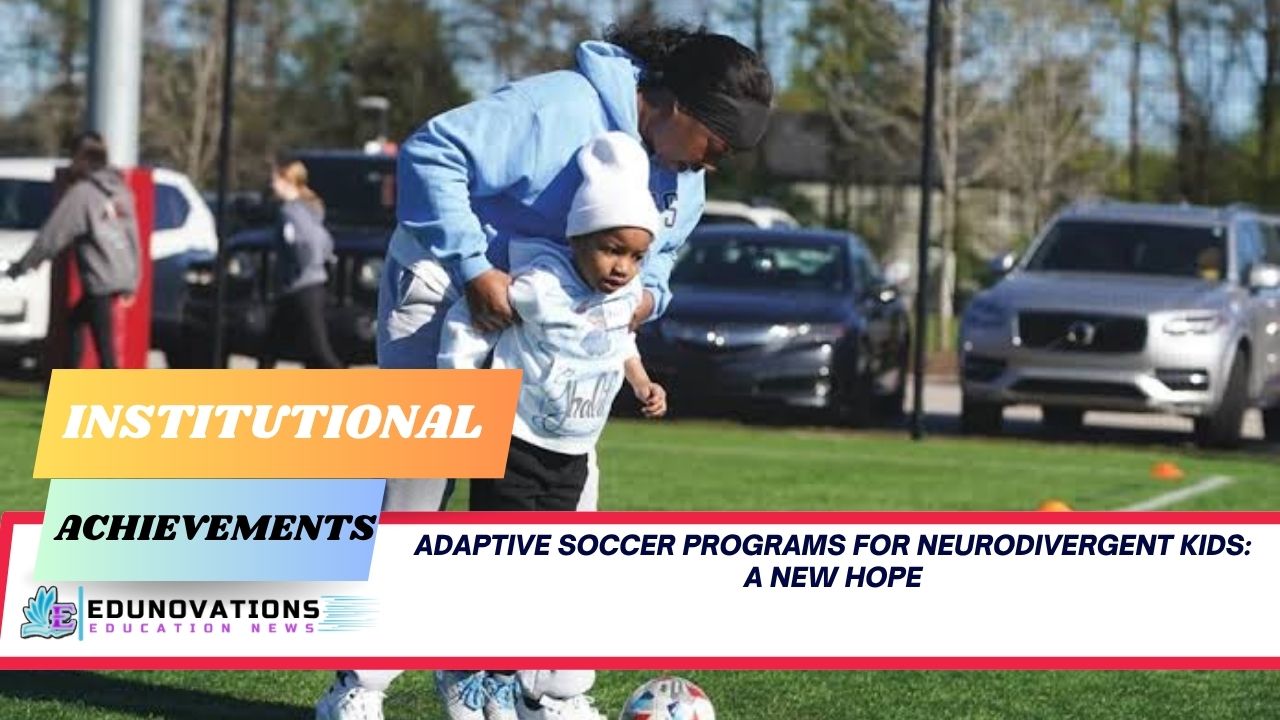
The world of professional sports often measures success in goals scored, matches won, and silverware lifted. However, true community impact frequently happens away from the roaring grandstands and television cameras. In an inspiring move that highlights the compassionate heart of professional athletes, a standout player from Monterey Bay FC, Nick Ross, alongside his wife Adriana, has launched a transformative community initiative. Designed specifically to bridge the gap between sports and inclusivity, this program brings adaptive soccer programs for neurodivergent kids directly to families looking for safe, engaging, and welcoming environments for their children.
For families navigating the unique developmental paths of children on the autism spectrum or with sensory processing differences, traditional youth sports leagues can often feel intimidating, fast-paced, or entirely inaccessible. Standard coaching certifications rarely prepare volunteers to handle the nuances of neurodivergence, leading to sensory overload, anxiety, and frustration for children who simply want to kick a ball and make friends. Recognizing this critical community gap, Nick and Adriana Ross established Uniquely United Soccer, a specialized league aimed at transforming how sports are delivered to neurodivergent youth.
Understanding the Importance of Inclusive Sports
Athletic participation yields foundational benefits for every growing child, regardless of neurotype. Physical exercise stimulates neurological development, improves cardiovascular health, and releases endorphins that regulate mood. Moreover, team sports build essential social skills such as communication, empathy, cooperation, and resilience.
However, neurodivergent children frequently encounter systemic barriers when trying to join standard leagues. Loud whistles, chaotic team drills, hyper-competitive environments, and rigid coaching styles can quickly overwhelm children with sensory sensitivities. This is where specialized frameworks excel. By reshaping the structure of training sessions, coaches can offer predictable routines, scaled-down sensory stimuli, and individualized attention.
To foster broader learning environments and cognitive development—whether for parents looking to support their children’s overall education or students exploring specialized learning methods—exploring structured educational frameworks is equally vital. For comprehensive study guides, many families and educators rely on NCERT Courses or access curated materials through Notes. Keeping up with broader social dynamics can also be achieved by tracking daily updates via Current Affairs.
The Genesis of Uniquely United Soccer
The inspiration behind Uniquely United Soccer stems from personal dedication and a deep understanding of pediatric inclusion needs. Nick Ross, known for his tenacity and leadership on the pitch for Monterey Bay FC, realized that his platform as a professional athlete could be leveraged to amplify voices that often go unheard in traditional sports culture. Alongside Adriana Ross, the couple conceptualized a program where neurodivergent children could play soccer free from judgment, strict competition, or performance anxiety.
The program focuses heavily on pacing, patience, and play. Instead of forcing children to conform to rigid game rules, the coaching methodology adapts to the individual needs of every participant. Whether a child needs frequent sensory breaks, visual schedules, or one-on-one guidance from a volunteer buddy, the environment bends to accommodate them, rather than the other way around.
For teachers and educational institutions aiming to implement similar inclusive extracurricular modules, collaborating with professional digital infrastructure partners—such as consulting with Mart Icon Infotech—can help schools establish robust online portals to manage registration, communication, and resource sharing effectively.
Key Components of Adaptive Training Frameworks
Creating a successful sports initiative for neurodivergent children requires careful planning, specialized equipment, and trained personnel. The blueprint established by professional-led community programs relies on several core pillars:
- Sensory-Friendly Environments: Minimizing loud, sudden noises, using softer balls, and offering designated “quiet zones” for children experiencing sensory fatigue.
- Low Coach-to-Player Ratios: Ensuring every child receives adequate supervision, encouragement, and personalized direction during drills.
- Predictable Structures: Maintaining a consistent routine for every session so that children know what to expect next, reducing transition-related anxiety.
- Focus on Fun Over Competition: Prioritizing motor skill development, coordination, and social interaction over scorekeeping or winning matches.
When building community programs or tracking interactive performance milestones, educators and program coordinators can utilize self-assessment tools, such as practicing through MCQ’s or reviewing comprehensive Syllabus structures to design well-rounded youth development schedules. Visual learners can also benefit from exploring structured NCERT Mind Maps to understand conceptual layouts.
Expert Insights on Sports and Neurodivergence
Child development experts and sports psychologists consistently emphasize the therapeutic value of adaptive athletics. Dr. Elena Vance, a renowned pediatric occupational therapist specializing in sensory integration, notes: “When neurodivergent children engage in sports designed for their specific sensory profiles, their self-efficacy skyrockets. They stop seeing themselves as ‘different’ in a negative light and start recognizing their physical capability, rhythm, and coordination.”
Furthermore, professional athletes lending their time and credibility to these causes helps dismantle social stigmas. When children see a professional soccer player like Nick Ross sitting down, kicking a ball, and cheering for a child who communicates non-verbally or processes stimuli differently, it sends a powerful message of universal acceptance to the broader public.
For continuous professional development, educators and sports organizers looking to deepen their understanding of child psychology and developmental milestones can access specialized video libraries via Videos or download reference materials through Downloads of Free NCERT PDFs.
The Broader Impact on Families and Communities
The ripple effects of programs like Uniquely United Soccer extend far beyond the children on the pitch. For parents and caregivers, finding a community of families facing similar joys and challenges provides immense emotional relief. Raising a neurodivergent child can sometimes feel isolating; shared spaces on Saturday mornings foster organic support networks where parents can exchange advice, share resources, and build lasting friendships.
Moreover, local volunteers—including high school and college students studying sports management, education, or psychology—gain invaluable hands-on experience working with diverse learners. This early exposure cultivates a more empathetic generation of coaches, teachers, and community leaders who will carry these inclusive practices into their future professions.
Conclusion: Paving the Way Forward for Inclusive Athletics
The initiative spearheaded by Monterey Bay FC player Nick Ross and Adriana Ross serves as a shining example of how professional sports influence positive societal change. By championing adaptive soccer programs for neurodivergent kids, they have created a safe haven where physical health, emotional well-being, and social belonging intersect. As communities across the country look for ways to foster genuine equity, sports programs tailored to neurodiversity prove that the beautiful game truly belongs to everyone.
Toppers Use Mind Maps to score more than 95%
NCERT Class 11th Commerce Mind Maps
Add to cartOriginal price was: ₹999.00.₹199.00Current price is: ₹199.00.NCERT Class 12th Chemistry Mind Maps
Add to cartOriginal price was: ₹199.00.₹75.00Current price is: ₹75.00.NCERT Class 12th Commerce Mind Maps
Add to cartOriginal price was: ₹999.00.₹199.00Current price is: ₹199.00.NCERT Class 12th Science Mind Maps
Add to cartOriginal price was: ₹999.00.₹199.00Current price is: ₹199.00.NCERT Mind Maps For Class 10th
Add to cartOriginal price was: ₹999.00.₹199.00Current price is: ₹199.00.

Purchase Today
Frequently Asked Questions (FAQs)
- What are adaptive soccer programs for neurodivergent kids? Adaptive soccer programs for neurodivergent kids are specialized sports leagues modified to accommodate children with autism, ADHD, and sensory processing differences by reducing sensory overload and focusing on fun.
- Who started the Uniquely United Soccer program? The program was initiated by professional soccer player Nick Ross of Monterey Bay FC alongside his wife, Adriana Ross, to support local neurodivergent youth.
- How do adaptive soccer programs benefit autistic children? They help improve motor skills, enhance coordination, build self-confidence, and provide safe social interaction in a low-pressure, sensory-friendly environment.
- Are traditional sports leagues suitable for all neurodivergent children? Standard leagues often feature loud noises, fast-paced chaotic drills, and high competitiveness, which can overwhelm children with sensory sensitivities.
- What makes a soccer program sensory-friendly? Sensory-friendly programs use softer equipment, control noise levels, maintain predictable routines, and offer quiet zones for children needing a break.
- Can parents participate alongside their children in these programs? Yes, many adaptive programs encourage parent or guardian involvement, especially during initial sessions, to help children feel secure and supported.
- How do adaptive soccer programs help with social skills? They encourage peer interaction, turn-taking, and teamwork in a structured setting where communication styles are understood and respected.
- Why is professional athlete involvement important for neurodivergent sports? When professional athletes champion inclusive causes, it raises public awareness, reduces social stigma, and inspires broader community participation.
- Where can organizers find resources to build inclusive youth programs? Organizers can utilize educational platforms, child development toolkits, and consult with institutional infrastructure partners for administrative support.
- What is the primary focus of adaptive youth soccer drills? The primary focus is on individual skill development, spatial awareness, physical fitness, and enjoyment rather than competitive scoring or winning.