The landscape of Indian broadcasting and telecommunications is shifting rapidly. In a move that promises to revolutionize how millions of citizens access information
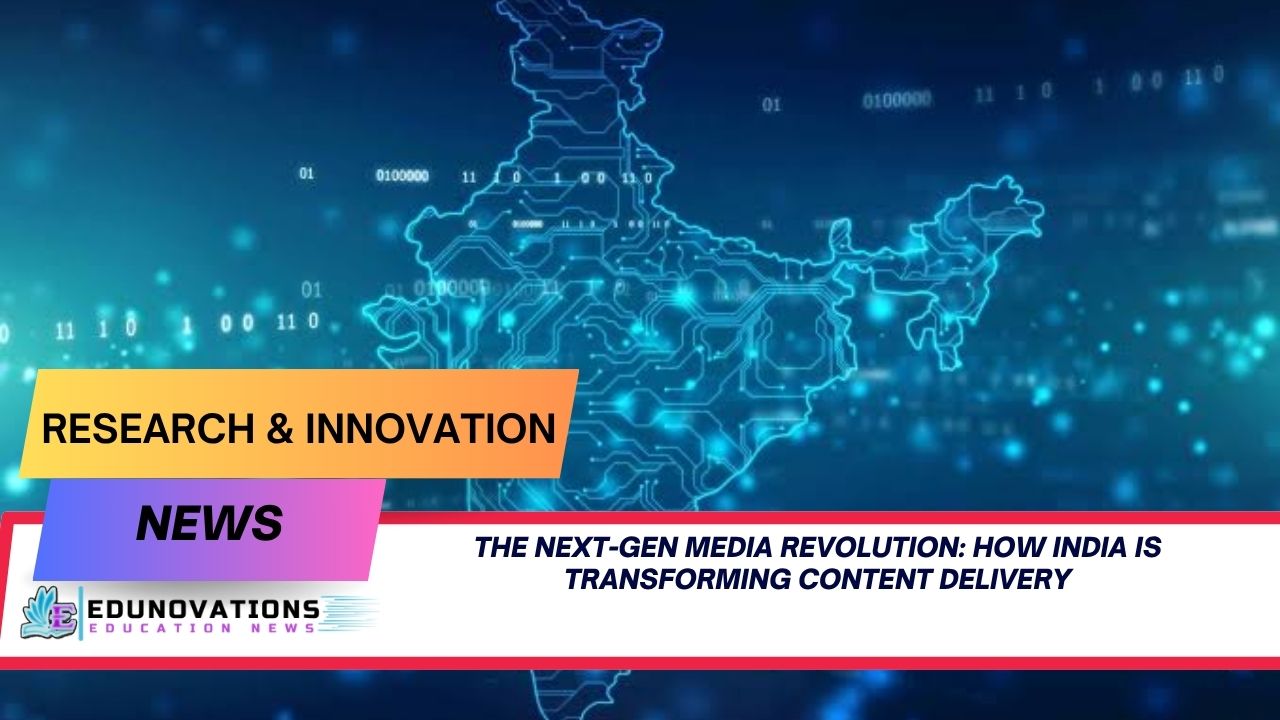
The landscape of Indian broadcasting and telecommunications is shifting rapidly. In a move that promises to revolutionize how millions of citizens access information on their personal devices, Bharat Sanchar Nigam Limited (BSNL) and the Indian Institute of Technology Kanpur (IIT Kanpur) have officially joined forces. The signing of a strategic Memorandum of Understanding (MoU) marks the beginning of a long-term collaborative framework. This partnership aims to bridge the gap between academic innovation and massive public infrastructure to drive India’s digital transformation. At the heart of this historic alliance is a push for homegrown solutions, including advanced 4G and 5G network enhancements, Artificial Intelligence (AI) analytics, and cutting-edge media distribution architectures. For the millions of students preparing for upcoming examinations, understanding these shifts in national technology policy is critical. Keeping a close eye on modern technology upgrades is an excellent strategy, and you can stay updated on these transformations by checking the latest resources for Current Affairs. Shifting Paradigms in Indian Telecom InfrastructureThe collaborative agreement was executed by Prof. Manindra Agrawal, Director of IIT Kanpur, and Shri Jitendra Garg, Principal General Manager (PGM) of BSNL. The signing ceremony occurred in the presence of several prominent leaders, including Dr. Abhay Karandikar, Member of NITI Aayog; Shri A. Robert J. Ravi, Chairman and Managing Director (CMD) of BSNL ITS; and Ms. Nandita Bakshi, CEO of the Bisnouli Sarvodaya Foundation.
This structural union aims to combine high-level academic research with an expansive, nationwide operational scale. By leveraging BSNL’s vast physical towers and fiber networks, the partnership is set to trial, validate, and deploy highly scalable architectures. The ultimate goal is to fulfill the national mandate of “Atmanirbhar Bharat” (Self-Reliant India) and accelerate the structural footprint of the Digital India initiative. For competitive exam aspirants mapping out government initiatives, keeping up with the official test parameters is a must; make sure to reference the latest changes outlined in the updated Syllabus. BSNL and IIT Kanpur MoU Details ExplainedTo understand the long-term impact of this alliance, we must look closely at the structural roadmap. When we review the bsnl and iit kanpur mou details explained by senior officials, it becomes clear that this is not just a standard technical agreement. Instead, it is a master plan for future communication networks, focusing intensely on data optimization, cyber resilience, and localized computing. The framework establishes clear focus areas for both organizations:AI/ML-driven Network Analytics: Utilizing artificial intelligence to predict bandwidth bottlenecks and automatically optimize data routing across networks. BharatNet Integration: Deploying localized, high-speed digital applications over the vast rural broadband infrastructure of the BharatNet project. Cloud & Edge Computing Platforms: Setting up high-performance computing (HPC) systems and Graphics Processing Unit (GPU) clusters to power data solutions directly at the network edge. Cybersecurity Resilience: Developing security frameworks to protect critical public data transmission infrastructure from advanced threats. This systematic approach ensures that emerging applications do not break under heavy public demand. Educational networks stand to benefit significantly from these core architecture updates, making it easier than ever to distribute comprehensive online study materials. Students looking to optimize their daily learning routines can access structured Notes to supplement their textbooks.Understanding the True Mechanics of D2M TechnologyOne of the most talked-about elements of this partnership is Direct-to-Mobile broadcasting. It addresses a fundamental problem: cellular network congestion caused by massive video streaming. Many internet users often wonder, how does direct to mobile d2m broadcasting work? The core mechanics are surprisingly elegant and borrow concepts from traditional television broadcasting. In a standard cellular configuration, when one million people watch a live event, the mobile tower must establish one million individual, unique data streams. This traditional approach places an immense burden on the physical spectrum, leading to buffering, dropped calls, and slow data speeds for everyone connected to that specific node.
D2M technology flips this architecture completely. Instead of creating individual data tunnels, it transmits a single, high-capacity broadcast signal directly across a dedicated sub-GHz frequency band (typically between 470 and 582 MHz). Any smartphone equipped with an internal D2M receiver or compatible baseband chip can catch this signal simultaneously. Because it bypasses the standard cellular internet data gateway entirely, users can watch high-definition video content without a sim card or active data pack.
This breakthrough has profound implications for data management. During high-profile sports broadcasts or significant national events, telecom operators can offload video traffic to the D2M spectrum. This structural relief frees up traditional 4G and 5G bands, ensuring seamless internet connectivity for standard browsing, financial transactions, and communication. If you need clean academic data to study digital concepts further, you can get free access to comprehensive books via the portal for Downloads of Free NCERT PDFs.
Direct-to-Mobile Infrastructure in Action
The applications of this framework extend far beyond video entertainment. Because D2M signals travel over lower frequency bands, they feature excellent structural penetration, allowing them to travel deeper into buildings and span across vast geographical distances with fewer physical towers.
During natural disasters or emergency scenarios, cellular networks are often the first infrastructure components to collapse due to power outages or overwhelming user surges. D2M acts as a robust, backup emergency alert platform. It can push critical public information services, extreme weather alerts, and evacuation maps to hundreds of millions of mobile screens at once.
Furthermore, this structural approach is a game-changer for rural education. By streaming interactive, high-quality video classrooms to remote villages without demanding expensive data recharges, India can bridge the educational divide. Academic institutions can use this network capability to deliver interactive tools to remote areas. Students seeking to test their knowledge on these emerging frameworks can use the resources available for MCQ’s online.
National Policy Perspectives and Expert Insights
The deployment of these networks is drawing immense attention from national policy groups. Dr. Abhay Karandikar, Member of NITI Aayog, highlighted the long-term importance of spectrum efficiency at the MoU event:
“Direct-to-Mobile technology will go a long way in harmonising the cellular spectrum along with the broadcasting spectrum to give a very improved customer experience. It is a vital step forward, not only from the entertainment perspective but also for building a converged telecom ecosystem.”
Dr. Abhay Karandikar noted that pilot programs are expanding rapidly to evaluate the technical feasibility and commercial viability of these setups across nineteen Indian cities. This expanding footprint aligns seamlessly with the ongoing expansion of the government’s rural internet initiatives.
Shri A. Robert J. Ravi, CMD of BSNL, elaborated on how these trials integrate directly with their foundational infrastructure roadmap, stating that BSNL aims to build a comprehensive “Bharat Mesh Network.” This network intends to act as a unified umbrella of access technologies, blending fiber, satellite, cellular, and D2M systems seamlessly. This massive upgrade will require strong local technical engineering support across secondary schools and technical hubs. Educational institutions looking to scale up their technological infrastructure can explore options through professional developers like Mart Ind Infotech.
Driving True Technological Self-Reliance
The primary long-term focus of the partnership remains centered on figuring out what is the future of indigenous telecom in india. For decades, global networks relied heavily on importing foreign software frameworks and hardware components. This reliance often created unique vulnerabilities and delayed localized customization.
By combining IIT Kanpur’s deep intellectual property pool with BSNL’s engineering scale, India is designing its own telecommunications future from scratch. This focus includes the development of homegrown core routing software, advanced smart infrastructure systems, and localized validation testing models. These efforts ensure the country remains self-reliant in critical sectors.
A key component of this technological self-reliance involves exploring the benefits of bsnl bharatnet digital applications. As fiber-optic cables reach deep into thousands of remote gram panchayats, the focus is shifting toward creating software applications that run efficiently over this infrastructure. This setup allows local governance, virtual healthcare services, and digital agriculture platforms to function smoothly, transforming rural economies.
The Strategic Expansion of Intelligent Telecommunications
As these architectures scale up, integration with advanced analytical tools becomes necessary. Industry experts frequently analyze the role of ai in next generation telecom networks to understand how modern communication systems will handle future traffic. Artificial intelligence is no longer just an experimental software add-on; it is the core brain managing modern network layers.
By utilizing AI algorithms, the BSNL-IITK network can monitor massive streams of data in real-time, instantly identifying anomaly patterns that indicate cyber threats. Furthermore, AI-driven predictive maintenance allows operators to detect physical equipment wear at tower installations before a system blackout occurs. This intelligent automation guarantees consistent service uptimes, even in the most remote regions of the country.
For students navigating complex engineering and national development concepts, visualizing these interconnected systems is highly beneficial. Having access to high-quality visual aids can significantly improve retention. To master these complex conceptual relationships, students can access visual resources like NCERT Mind Maps to streamline their study sessions.
Ultimately, the partnership between BSNL and IIT Kanpur represents a monumental leap forward for the nation’s digital ecosystem. By creating a unified platform that integrates advanced AI, vast rural fiber, and breakthrough data-free broadcasting, India is setting a powerful example for global telecommunications. This initiative ensures that the future of technology remains accessible, secure, and entirely self-sufficient. For students looking to explore these technical subjects further via comprehensive lectures, video materials are readily accessible through Videos online.
Toppers Use Mind Maps to score more than 95%
-
NCERT Class 11th Commerce Mind Maps
Add to cartOriginal price was: ₹999.00.₹199.00Current price is: ₹199.00. -
NCERT Class 12th Chemistry Mind Maps
Add to cartOriginal price was: ₹199.00.₹75.00Current price is: ₹75.00. -
NCERT Class 12th Commerce Mind Maps
Add to cartOriginal price was: ₹999.00.₹199.00Current price is: ₹199.00. -
NCERT Class 12th Science Mind Maps
Add to cartOriginal price was: ₹999.00.₹199.00Current price is: ₹199.00. -
NCERT Mind Maps For Class 10th
Add to cartOriginal price was: ₹999.00.₹199.00Current price is: ₹199.00.




Purchase Today
Frequently Asked Questions (FAQs)
1. What are the primary objectives highlighted in the bsnl and iit kanpur mou details explained by officials?
The MoU establishes a long-term collaborative framework for research, development, testing, and commercialization of next-generation telecom tech. It focuses on D2M broadcasting, AI-driven network analytics, 4G/5G advancements, and improving cybersecurity across public communication platforms.
2. How does direct to mobile d2m broadcasting work on ordinary smartphones?
D2M technology transmits video and multimedia content using a dedicated sub-GHz broadcast frequency band directly to compatible mobile devices. It completely bypasses conventional cellular data networks, allowing users to watch content without using a SIM card or consuming internet data.
3. What is the future of indigenous telecom in india following this strategic partnership?
The future points toward total technical self-reliance. By co-developing proprietary core routing frameworks, localized computing platforms, and independent testing validation systems, India reduces its reliance on foreign telecom components and secures its critical digital infrastructure.
4. What are the key benefits of bsnl bharatnet digital applications for rural regions?
The integration allows rural communities to access high-speed localized applications for digital governance, e-health, and distance learning. It utilizes the extensive rural fiber-optic network to provide stable digital public infrastructure without demanding high bandwidth costs.
5. What exactly is the role of ai in next generation telecom networks like the one designed by BSNL and IITK?
AI is used to manage network optimization by predicting data traffic congestion, automatically rerouting bandwidth, and analyzing signal patterns for immediate cyber threat detection. It also enables predictive maintenance for physical tower infrastructure.
6. Will users need an expensive internet data plan to utilize D2M broadcasting features?
No. Because D2M broadcasting relies on standalone broadcast airwaves rather than cellular data streams, users can access public broadcasts, emergency notices, and educational programs without an active data pack.
7. How does D2M broadcasting help telecom operators reduce network congestion during major events?
During peak traffic events like live sports matches, operators can offload high-volume video streams to the dedicated D2M broadcast frequency. This prevents traditional 4G and 5G cellular channels from becoming clogged.
8. What role did NITI Aayog play in the BSNL and IIT Kanpur collaboration?
Dr. Abhay Karandikar, Member of NITI Aayog, was a key presence and advisor at the event. He has been a long-time advocate of spectrum harmonization and emphasized the importance of expanding D2M pilot testing across multiple cities to prove its commercial viability.
9. Who were the key individuals responsible for executing this historic telecom agreement?
The strategic MoU was officially signed by Prof. Manindra Agrawal, Director of IIT Kanpur, and Shri Jitendra Garg, PGM of BSNL, alongside other senior representatives from NITI Aayog and the telecom industry.
10. Can D2M technology be used for emergency public safety services?
Yes. D2M features superior structural penetration and wide coverage areas, making it an ideal network for pushing immediate disaster management alerts, public safety videos, and critical weather warnings during major crises.