The transition from a structured academic environment to the unpredictable landscape of the real world is perhaps the most significant challenge a young graduate faces.
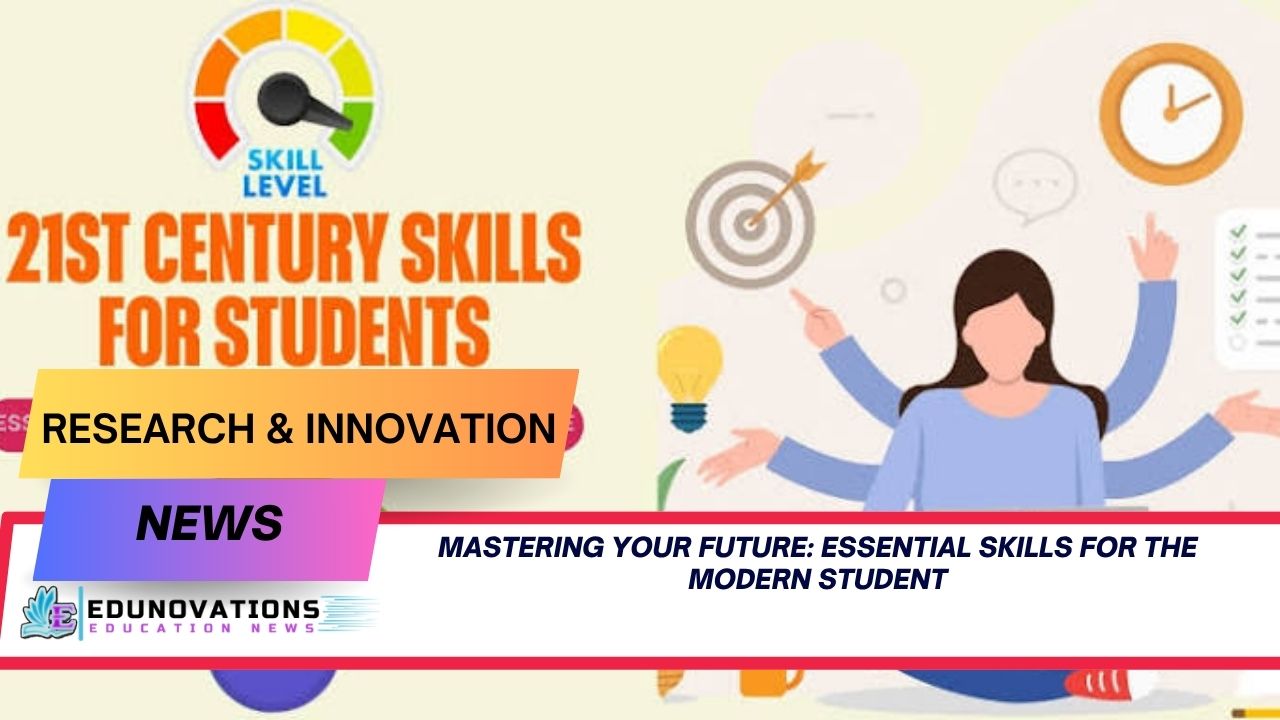
The transition from a structured academic environment to the unpredictable landscape of the real world is perhaps the most significant challenge a young graduate faces. Recently, Prime Minister Narendra Modi addressed the 57th Convocation Ceremony of the Indian Institute of Technology (IIT) Delhi, offering profound insights that resonate far beyond the campus walls. His address highlighted that true success in the modern era is not merely about academic credentials but about one’s ability to adapt and contribute to a self-reliant nation. For students and young professionals, learning how to develop problem solving skills as a college student is the foundational requirement for long-term success.
In an era defined by rapid technological shifts—from the rise of Artificial Intelligence to the expansion of the space and drone sectors—the traditional model of education is evolving. The Prime Minister emphasized that while high CGPA scores are impressive, they are not the sole determinants of professional triumph. Instead, he argued that the ability to identify and address complex challenges is the true hallmark of a leader.
The Shift from Classroom to Real-World Impact
Academic institutions provide the theoretical framework for knowledge, but the real world operates in a state of constant flux. Many graduates find that the problems they face are “out of syllabus.” This is where the ability to think critically becomes paramount. When you focus on how to develop problem solving skills as a college student, you are essentially training your brain to deconstruct massive, intimidating obstacles into manageable, actionable components.
Whether you are preparing for competitive exams or looking to launch a startup, the methodology remains the same: identify the gap, question the status quo, and innovate a solution. For students looking to bridge the gap between theory and application, leveraging structured resources such as NCERT Courses provides a solid baseline for foundational knowledge, which is essential before one can begin solving high-level industrial problems.
Navigating the Dynamic Career Landscape
The Prime Minister underscored the importance of alignment—aligning personal career goals with the nation’s developmental roadmap, often referred to as the path toward Viksit Bharat. As India becomes a hub for semiconductor manufacturing and deep-sea exploration, the demand for specialists is at an all-time high.
To stay competitive, professionals must explore emerging career opportunities in deep tech for indian graduates. Deep tech—encompassing quantum computing, advanced AI, and energy security—is not just a buzzword; it is the engine of the next economic revolution. Graduates who invest time in understanding these sectors will find themselves at the forefront of global innovation. For those pursuing these advanced paths, consistent review of Current Affairs is vital to understanding the changing geopolitical and industrial landscape.
Prioritizing Wellness in a Digital Age
Amidst the race to succeed, the Prime Minister issued a cautionary note regarding the “leader-board” culture prevalent in the age of social media. Constant comparison of salaries and startup valuations can lead to burnout and anxiety. Maintaining mental health tips for young professionals in the social media era is, therefore, a strategic necessity.
Well-being is not a luxury; it is a performance enhancer. A clear, calm mind is better equipped to handle the stresses of a fast-paced career. Students often find that organizing their studies through Notes or simplifying complex topics with Mind Maps can reduce academic stress, allowing more mental bandwidth for personal development and innovation.
Entrepreneurship and National Progress
The rise of unicorns and the FinTech boom in India have opened doors for millions. However, building a sustainable venture requires more than just an idea; it requires a deep understanding of the regulatory and economic environment. When learning how to build a startup in india under viksit bharat initiatives, one must look at how technology can solve domestic issues—be it in agriculture, medicine, or national defense.
If you are a student or a budding entrepreneur, your journey often starts with mastering the fundamentals. Utilizing MCQ’s for self-assessment or watching Videos on specific technologies can help you grasp niche concepts quickly. For institutional support, many startups and educational entities turn to professional infrastructure providers like Mart Ind Infotech to streamline their digital presence and school management operations.
The Imperative of Continuous Education
The world is changing at an unprecedented pace. The Prime Minister’s assertion that “the one who continuously learns is the one who will win” is the golden rule for the 21st century. Engaging in the importance of lifelong learning for modern engineers is not just about keeping up; it is about staying relevant.
Engineers today must be multidisciplinary. You might be a software developer who needs to understand agricultural logistics to build an AgriTech app, or a mechanical engineer who needs to learn data science for drone optimization. Accessing Syllabus documents for various interdisciplinary fields or downloading Free NCERT PDFs can keep your foundational knowledge sharp as you pivot into new, high-growth domains.
Toppers Use Mind Maps to score more than 95%
NCERT Class 11th Commerce Mind Maps
Add to cartOriginal price was: ₹999.00.₹199.00Current price is: ₹199.00.NCERT Class 12th Chemistry Mind Maps
Add to cartOriginal price was: ₹199.00.₹75.00Current price is: ₹75.00.NCERT Class 12th Commerce Mind Maps
Add to cartOriginal price was: ₹999.00.₹199.00Current price is: ₹199.00.NCERT Class 12th Science Mind Maps
Add to cartOriginal price was: ₹999.00.₹199.00Current price is: ₹199.00.NCERT Mind Maps For Class 10th
Add to cartOriginal price was: ₹999.00.₹199.00Current price is: ₹199.00.
Purchase Today
Frequently Asked Questions
- Why is it important to know how to develop problem solving skills as a college student? Problem-solving is the primary skill employers and investors seek, as it allows graduates to handle real-world challenges that are not defined by textbook exams.
- What are the most promising emerging career opportunities in deep tech for indian graduates? Fields like Artificial Intelligence, Quantum Computing, Semiconductor manufacturing, and Deep Sea Exploration are currently the most significant growth areas in India.
- Are there effective mental health tips for young professionals in the social media era? Yes, limiting screen time, avoiding the “leader-board” mindset of comparing personal milestones with peers, and focusing on self-improvement are key strategies.
- What is the first step in learning how to build a startup in india under viksit bharat initiatives? The first step is identifying a genuine national or local need and aligning your innovation with the government’s push for self-reliance in sectors like defense or agriculture.
- How does one demonstrate the importance of lifelong learning for modern engineers? By consistently acquiring new certifications, staying updated on technological breakthroughs, and being willing to unlearn and relearn as industries evolve.
- Can foundational resources help me learn how to develop problem solving skills as a college student? Absolutely. Strengthening your base through NCERT materials and consistent practice via MCQs creates the logical framework required for complex problem-solving.
- How do emerging career opportunities in deep tech for indian graduates impact the economy? These roles drive the “Startup Revolution,” create high-value employment, and move the country toward technological self-reliance.
- Should I prioritize mental health tips for young professionals in the social media era during exams? Yes. Mental clarity and physical well-being are crucial during high-pressure periods to ensure sustained focus and performance.
- Where can I find resources on how to build a startup in india under viksit bharat initiatives? You can look toward government portals for policy updates and educational platforms for business management and foundational theory.
- Does the importance of lifelong learning for modern engineers apply to non-tech fields? Yes, the principle of continuous learning applies to all sectors, as the integration of technology is transforming every industry, from medicine to agriculture.