Navigating the financial landscape of education in New York can often feel like solving a complex puzzle. For thousands of parents across Long Island and the broader state
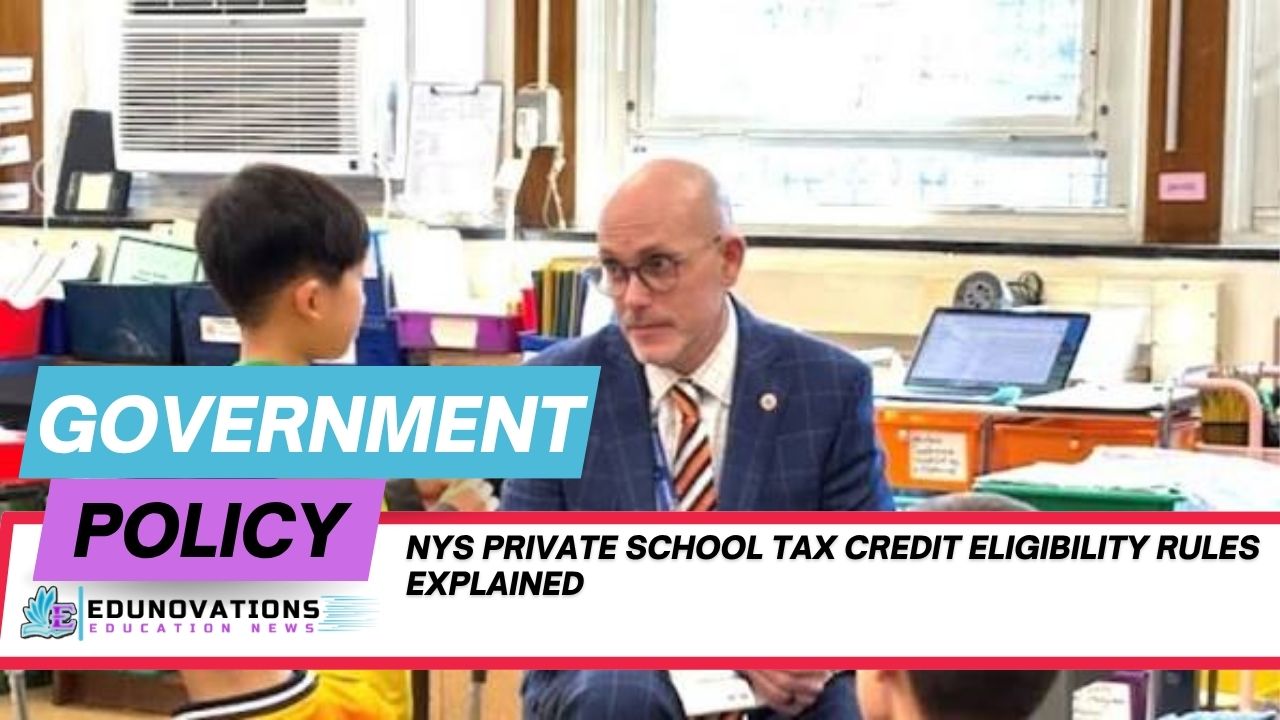
Navigating the financial landscape of education in New York can often feel like solving a complex puzzle. For thousands of parents across Long Island and the broader state, the burden of private school tuition continues to rise, pushing family budgets to the absolute limit. However, evolving legislative conversations surrounding school tax credits and scholarship programs offer a glimmer of hope. Understanding NYS private school tax credit eligibility rules has become a primary objective for families looking to offset educational expenses.
Whether you are exploring private education for the first time or looking for relief from mounting tuition costs, understanding the intricate framework of these credits is essential. In this comprehensive guide, we will break down everything you need to know about educational tax incentives, how regional policies impact local households, and what you can do to prepare for upcoming legislative shifts.
The Rising Financial Pressure on Modern Families
The cost of education is climbing at an unprecedented rate. For families choosing private institutions over public options, tuition fees, textbook expenses, and ancillary costs create a significant financial strain. Many parents find themselves searching for relief through state programs, wondering if financial assistance or tax breaks are within reach.
To put things into perspective, educational analysts frequently point out that inflation and operational costs at private academies have outpaced standard wage growth over the last decade. While public school systems are funded through local property taxes, private school parents pay twice—funding the public system through taxes while paying out-of-pocket tuition. This disparity has fueled intense political and community debates regarding equity, school choice, and state-backed financial relief.
Key Financial Challenges Faced by Parents:
- Escalating Tuition Rates: Annual tuition hikes often range between 3% and 6%, compounding financial stress.
- Double Taxation Burden: Parents shoulder public school property taxes alongside private institution fees.
- Limited Scholarship Availability: Traditional institutional aid often falls short of meeting family needs.
- Inflationary Pressure on Supplies: Uniforms, technology requirements, and extracurricular fees continue to mount.
Decoding NYS Private School Tax Credit Eligibility Rules
When discussions turn to state-level financial relief, clarity is paramount. The primary focus keyword for this discourse—NYS private school tax credit eligibility rules—serves as the gateway for parents seeking legislative answers. While tax credits can drastically reduce a household’s tax liability, qualifying for them typically involves meeting specific income thresholds, residency requirements, and institutional accreditations.
Typically, state-level educational tax credit proposals target low-to-moderate-income families to help them afford non-public schooling options or contribute to scholarship-granting organizations. However, the exact criteria shift depending on the specific bill moving through the New York State Legislature.
For students preparing for rigorous academic environments or seeking foundational support before entering private tracks, utilizing structured study tools can bridge academic gaps. For instance, students can access comprehensive study materials through NCERT Courses or download essential guides via Free NCERT PDFs. Strengthening foundational learning early ensures students can excel once enrolled in competitive educational programs.
Localized Impact: How Long Island Families Qualify for School Tax Credits
Long Island represents one of the most dynamic educational landscapes in New York, characterized by high property taxes and a dense concentration of private and parochial schools. As local parent advocacy groups push for reform, understanding How Long Island families qualify for school tax credits is vital for regional budgeting.
Regional differences play a massive role in how tax credits are applied. Nassau and Suffolk counties feature diverse educational communities where tuition costs vary drastically between parochial elementary schools and elite preparatory academies.
What Local Families Must Consider:
- Household Adjusted Gross Income (AGI): Most proposed credits feature phase-out caps for higher-income brackets to ensure relief reaches middle- and lower-income households.
- Donation-Based Scholarship Models: Many tax credit structures rely on individuals or corporations donating to scholarship funds in exchange for state tax credits, which then funnel money directly to local families.
- Accreditation Standards: Qualifying schools generally must meet state-mandated educational criteria to ensure students receiving credit-backed support are enrolled in recognized programs.
For educators and administrators looking to modernize their institution’s digital presence to better inform parents about these policy updates, partnering with expert digital infrastructure developers like Mart Ind Infotech can streamline communication portals and institutional websites.
Navigating the New York Scholarship Tax Credit Program Details
To fully grasp how financial relief operates, one must examine the specific mechanics of state scholarship initiatives. Reviewing New York scholarship tax credit program details reveals a system designed to encourage philanthropy while expanding educational access.
Unlike direct state-funded vouchers, scholarship tax credits operate on an indirect model. Donors receive a partial or full state tax credit for contributions made to certified scholarship organizations. These organizations then distribute tuition grants to families choosing private education. This mechanism has successfully bypassed constitutional hurdles in various states, making it a favored legislative approach.
- Stay updated on regional policy changes by reviewing regular updates via Current Affairs.
- Access comprehensive topic summaries and revision materials through Notes.
- Test your comprehension of civic policies and economics with targeted MCQ’s.
Addressing Common Misconceptions: Are Private School Tuition Costs Tax Deductible in NY?
A frequent question echoed in parent forums and tax offices across the state is: Are private school tuition costs tax deductible in NY?
The short answer under current New York State tax law is no—standard K-12 private school tuition expenses are generally not tax-deductible on state income tax returns. While federal rules offer limited deductions for specific educational savings accounts (like 529 plans for higher education or specific K-12 distributions in federal tax codes), New York State has historically resisted broad-based tuition deductions for elementary and secondary private schools.
However, this is precisely why tax credit and scholarship bills are fiercely debated year after year. Proponents argue that introducing targeted credits mimics a deduction or rebate, putting money back into the pockets of hardworking taxpayers.
- Visualize complex legislative frameworks and tax structures using NCERT Mind Maps to break down dense bureaucratic data into digestible concepts.
- Watch expert breakdowns and policy seminars via Videos.
- Review complete legislative frameworks and educational outlines through the official Syllabus portals.
Expert Insights and Future Outlook
Educational economists and policy analysts emphasize that any shift in state tax policy regarding education will have ripple effects across both public and private sectors. Proponents argue that tax credits foster healthy competition, encouraging public schools to elevate their standards while giving lower-income families choices previously reserved for the wealthy.
Conversely, critics and public education advocates express concern that diverting state revenue through tax credits could drain essential funding from public school districts, which rely heavily on stable state aid allocations. Striking a balance between supporting parental choice and maintaining robust public education funding remains the central challenge for state lawmakers in Albany.
As legislative sessions progress, parents, educators, and community leaders must stay informed on how evolving policies will shape the future of New York’s educational ecosystem.
Toppers Use Mind Maps to score more than 95%
NCERT Class 11th Commerce Mind Maps
Add to cartOriginal price was: ₹999.00.₹199.00Current price is: ₹199.00.NCERT Class 12th Chemistry Mind Maps
Add to cartOriginal price was: ₹199.00.₹75.00Current price is: ₹75.00.NCERT Class 12th Commerce Mind Maps
Add to cartOriginal price was: ₹999.00.₹199.00Current price is: ₹199.00.NCERT Class 12th Science Mind Maps
Add to cartOriginal price was: ₹999.00.₹199.00Current price is: ₹199.00.NCERT Mind Maps For Class 10th
Add to cartOriginal price was: ₹999.00.₹199.00Current price is: ₹199.00.


Purchase Today
Frequently Asked Questions
- What are the NYS private school tax credit eligibility rules? Eligibility rules typically focus on household income thresholds, New York State residency, and enrollment in an accredited non-public primary or secondary educational institution.
- How do Long Island families qualify for school tax credits? Families qualify by meeting specific adjusted gross income (AGI) limits established by state legislation and applying through certified scholarship or tax-credit-issuing organizations operating within Nassau and Suffolk counties.
- What are the key New York scholarship tax credit program details? The program allows individuals and corporations to receive state tax credits for donations made to non-profit scholarship funds, which subsequently provide tuition assistance to eligible students.
- Are private school tuition costs tax deductible in NY? No, standard K-12 private school tuition expenses are not currently tax-deductible on New York State personal income tax returns, though advocates continually lobby for legislative changes.
- Who benefits most from educational tax credit programs? Middle- and lower-income families who otherwise could not afford private or parochial school tuition typically benefit the most from structured scholarship tax credit initiatives.
- Do tax credits apply to homeschooling expenses in New York? Most standard private school tax credit proposals are tailored specifically for institutional enrollment, though specific legislative amendments occasionally address localized material expenses.
- Where can parents find official updates on NYS education tax policies? Parents can track legislative developments through official New York State Senate and Assembly educational committee updates and regional news portals.
- How do scholarship-granting organizations operate under these tax credits? These organizations collect private donations, verify family financial eligibility, and distribute tuition grants directly to schools on behalf of qualifying students.
- Will tax credits reduce funding for public schools? This is a subject of major debate; proponents argue it creates efficiency and choice, while opponents contend it diverts critical tax revenues away from public district budgets.
- How can small private schools prepare for upcoming tax credit legislation? Institutions can update their financial reporting, ensure full state accreditation compliance, and improve digital communication channels to help parents navigate new application procedures.