SSSIHL and BSES Rajdhani Power Ltd academic industry collaboration MoU strengthens energy education, internships, skill training, and industry-ready learning in India.
The SSSIHL and BSES Rajdhani Power Ltd academic industry collaboration MoU has emerged as a significant milestone in India’s higher education and power sector ecosystem. This strategic memorandum of understanding (MoU) reflects a growing national push to align academic excellence with real-world industry requirements, particularly in the fast-evolving energy sector.
Signed between Sri Sathya Sai Institute of Higher Learning (SSSIHL) and BSES Rajdhani Power Limited, the collaboration aims to create meaningful opportunities for students through hands-on training, research exposure, internships, and professional development in emerging energy technologies. The partnership represents a model academic–industry alliance focused on bridging the skill gap in India’s power and utilities sector.
At a time when India is transitioning towards smarter grids, renewable integration, and sustainable energy solutions, such institutional collaborations are increasingly seen as catalysts for workforce readiness and innovation.
Strengthening the Academic–Industry Ecosystem in India
The SSSIHL and BSES Rajdhani Power Ltd academic industry collaboration MoU underscores the importance of structured cooperation between universities and leading industry players. Academic institutions often focus on theoretical knowledge, while industries demand applied skills, adaptability, and domain-specific expertise. This MoU aims to address this gap through a structured engagement framework.
Under this agreement, SSSIHL students will gain exposure to the operational, technological, and managerial dimensions of the power distribution sector. BSES Rajdhani Power Limited, one of India’s leading electricity distribution companies, will contribute its industry expertise to enhance learning outcomes.
Education experts note that such partnerships significantly improve employability. According to higher education analysts, students exposed to industry environments during their academic journey are up to 40% more likely to secure relevant employment within six months of graduation.
Industry-Aligned Learning for Energy Sector Careers
One of the most impactful aspects of the SSSIHL and BSES Rajdhani Power Ltd academic industry collaboration MoU is its focus on industry-aligned education. The partnership is designed to ensure that academic curricula remain relevant to the evolving needs of the energy sector.
Through this collaboration, students will engage with real-world challenges such as power distribution management, smart metering systems, grid modernization, and energy efficiency strategies. Faculty members will also benefit from industry insights, enabling them to contextualize classroom teaching with current industry practices.
This approach supports the broader national objective of outcome-based education, which emphasizes skill acquisition alongside conceptual understanding.
Student Internships and Placements with BSES Rajdhani Power Ltd 2025
A major highlight of the collaboration is the emphasis on student internships and placements with BSES Rajdhani Power Ltd 2025. Internship programs will allow students to work directly with industry professionals, participate in live projects, and understand operational workflows within the power distribution ecosystem.
These internships are expected to provide:
- Practical exposure to energy infrastructure
- Experience with safety, compliance, and regulatory standards
- Understanding of customer service and grievance redressal in utilities
- Familiarity with digital tools used in modern power distribution
Placement opportunities may follow based on performance and organizational requirements, making this collaboration particularly valuable for career-oriented students.
Students preparing for competitive exams and professional certifications can complement their learning through NCERT-aligned courses, current affairs updates, conceptual notes, practice MCQs, educational videos, and syllabus-based resources available on trusted education platforms.
Academic–Industry Partnership in Energy Sector Training India MoU
The academic–industry partnership in energy sector training India MoU reflects a growing trend in Indian higher education policy. Government initiatives such as Skill India and the National Education Policy encourage institutions to collaborate with industry leaders to promote experiential learning.
Through this MoU, structured training modules will be introduced, covering:
- Power distribution systems
- Energy auditing and efficiency
- Smart grid technologies
- Renewable energy integration
- Cybersecurity in power systems
Experts believe that such targeted training significantly enhances workforce preparedness. A senior energy sector analyst recently stated that “industry-embedded learning is no longer optional; it is essential for building a resilient and future-ready energy workforce.”
SSSIHL Industry Exposure and Professional Development in Energy
The SSSIHL industry exposure and professional development in energy initiative under this collaboration is designed to go beyond short-term internships. It aims to create a long-term engagement model where students continuously interact with industry professionals throughout their academic journey.
Activities planned under the MoU include:
- Expert lectures by BSES professionals
- Industry-led workshops and seminars
- Joint research projects
- Faculty development programs
- Case study-based learning
Such exposure enables students to develop problem-solving abilities, professional ethics, and leadership skills required in the energy sector.
Emerging Energy Technologies Training with BSES Rajdhani Power Ltd
The collaboration also emphasizes emerging energy technologies training with BSES Rajdhani Power Ltd, ensuring that students stay ahead of technological advancements. As India accelerates its adoption of renewable energy and smart infrastructure, professionals with expertise in advanced technologies are in high demand.
Training areas may include:
- Smart metering and data analytics
- Electric vehicle charging infrastructure
- Distributed energy resources
- Automation and AI applications in power systems
These initiatives align with India’s commitment to sustainable development and carbon reduction targets.
Institutional Vision and Expert Perspectives
While no individual political or administrative figure is directly associated with this announcement, education leaders across India have consistently advocated for stronger industry linkages. Renowned education reformer Dr. Anil Sahasrabudhe, former Chairman of AICTE, has previously emphasized that “industry participation in education is critical for ensuring relevance, innovation, and employability.”
Such expert perspectives reinforce the importance of collaborations like the SSSIHL and BSES Rajdhani Power Ltd academic industry collaboration MoU in shaping the future of higher education.
Benefits for Students, Faculty, and the Energy Sector
The MoU is expected to create a win-win scenario for all stakeholders:
For Students
- Enhanced employability
- Real-world problem-solving experience
- Exposure to industry best practices
For Faculty
- Updated industry knowledge
- Collaborative research opportunities
- Curriculum enrichment
For the Energy Sector
- Access to skilled graduates
- Innovation through academic research
- Strengthened talent pipeline
Educational support services such as exam-oriented notes, practice MCQs, video lectures, syllabus guidance, and free NCERT PDF downloads can further help students maximize the benefits of such collaborations.
Long-Term Impact on India’s Energy Education Landscape
The SSSIHL and BSES Rajdhani Power Ltd academic industry collaboration MoU sets a benchmark for future partnerships between universities and utility companies. As India moves towards a knowledge-driven economy, such collaborations will play a crucial role in aligning education with national development goals.
Industry observers suggest that similar models could be replicated across other sectors, including manufacturing, healthcare, and information technology.
Conclusion
The signing of the SSSIHL and BSES Rajdhani Power Ltd academic industry collaboration MoU marks a decisive step towards integrated, industry-responsive education in India. By combining academic rigor with practical exposure, the collaboration promises to nurture a generation of professionals equipped to meet the challenges of the modern energy sector.
As higher education institutions increasingly embrace industry partnerships, students stand to benefit from enriched learning experiences, improved career prospects, and meaningful contributions to national progress.
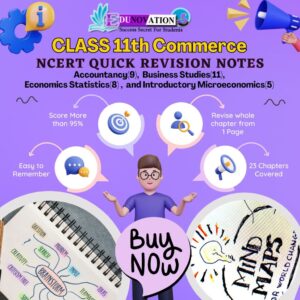
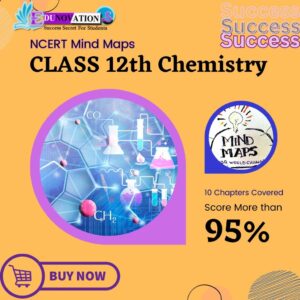
Toppers Use Mind Maps to score more than 95%
NCERT Class 11th Commerce Mind Maps
Add to cartOriginal price was: ₹999.00.₹199.00Current price is: ₹199.00.NCERT Class 12th Chemistry Mind Maps
Add to cartOriginal price was: ₹199.00.₹75.00Current price is: ₹75.00.NCERT Class 12th Commerce Mind Maps
Add to cartOriginal price was: ₹999.00.₹199.00Current price is: ₹199.00.NCERT Class 12th Science Mind Maps
Add to cartOriginal price was: ₹999.00.₹199.00Current price is: ₹199.00.NCERT Mind Maps For Class 10th
Add to cartOriginal price was: ₹999.00.₹199.00Current price is: ₹199.00.
Purchase Today
FAQs
1. What is the SSSIHL and BSES Rajdhani Power Ltd academic industry collaboration MoU?
It is a partnership aimed at integrating academic learning with industry exposure in the energy sector.
2. How will students benefit from student internships and placements with BSES Rajdhani Power Ltd 2025?
Students gain hands-on experience, industry exposure, and potential placement opportunities.
3. Why is an academic–industry partnership in energy sector training India MoU important?
It bridges the gap between theoretical education and practical industry requirements.
4. What kind of industry exposure does SSSIHL provide in energy education?
Students receive training, workshops, internships, and expert interactions with industry professionals.
5. Does the MoU focus on emerging energy technologies training with BSES Rajdhani Power Ltd?
Yes, it includes training in smart grids, renewable integration, and advanced power technologies.
6. How does this collaboration improve employability?
Industry-aligned skills and real-world experience make graduates job-ready.
7. Are faculty members included in this collaboration?
Yes, faculty development and joint research initiatives are part of the MoU.
8. Does this MoU support India’s sustainable energy goals?
Yes, it emphasizes modern and sustainable energy practices.
9. Can students preparing for competitive exams benefit from this initiative?
Yes, combined with structured learning resources, it enhances conceptual clarity and application skills.
10. Will similar collaborations be encouraged in other sectors?
Education experts believe this model can be replicated across multiple industries.