Higher education in the United Kingdom is experiencing a massive paradigm shift. As institutions across the globe grapple with financial constraints
Higher education in the United Kingdom is experiencing a massive paradigm shift. As institutions across the globe grapple with financial constraints, shifting student demographics, and rising operational costs, British universities are being forced to innovate. In a landmark development for the country’s academic landscape, two prominent institutions have officially joined forces. For anyone tracking the latest University of Greenwich and Kent merger details, this historic milestone marks the creation of the UK’s very first “super university,” bringing together an astounding 50,000 students across London and the south-east.
This comprehensive overview will examine why this merger happened, how the new institutional framework operates, and what it means for the future of higher education in the United Kingdom. Whether you are a prospective student, an academic professional, or an observer of educational policy, understanding the nuances of this groundbreaking union is essential.
The Birth of the UK’s First Super University
The higher education sector in the UK has faced mounting economic headwinds over recent years. From inflationary pressures on campus infrastructure to shifting international student visa policies, universities have had to rethink traditional business models. Rather than shrinking programs or facing insolvency, forward-thinking institutional leaders have chosen consolidation.
The culmination of these efforts is the official coming together of the University of Greenwich and the University of Kent. After months of intensive planning and regulatory review, the institutions have completed their merger to establish a powerhouse of tertiary education. This new entity unites over 50,000 students across four distinct campuses, instantly vaulting the group into the position of the third-largest university collective in the country.
Key Metrics of the New Institution:
- Total Student Body: 50,000+ students.
- Campuses: 4 major operational hubs spanning London and the South East.
- Official Launch Date: Set for September 7, featuring special ceremonial moments across all campuses.
- Strategic Model: Designed to be scalable, allowing other struggling or ambitious institutions to join the collective group in the future.
Students preparing for higher education or competitive exams often look at institutional changes to gauge shifts in academic trends. If you are preparing for competitive exams, you can enhance your preparation by exploring comprehensive study materials, such as reviewing structured Notes or practicing with targeted MCQ’s. Additionally, staying updated with macro-trends requires tracking global developments through dedicated resources like Current Affairs.
Breaking Down the University of Greenwich and Kent Merger Details
The structural anatomy of this merger is unique in British academic history. Rather than a total absorption where one university swallows another, the structural blueprint relies on a collaborative corporate umbrella while preserving individual campus identities.
What Stays the Same?
Despite the overarching corporate integration, students will see very little disruption to their daily academic lives:
- Distinct Academic Brands: The University of Greenwich and the University of Kent will maintain their separate names.
- Application and Graduation: Students will continue to apply to, study at, and graduate from the specific university of their choosing.
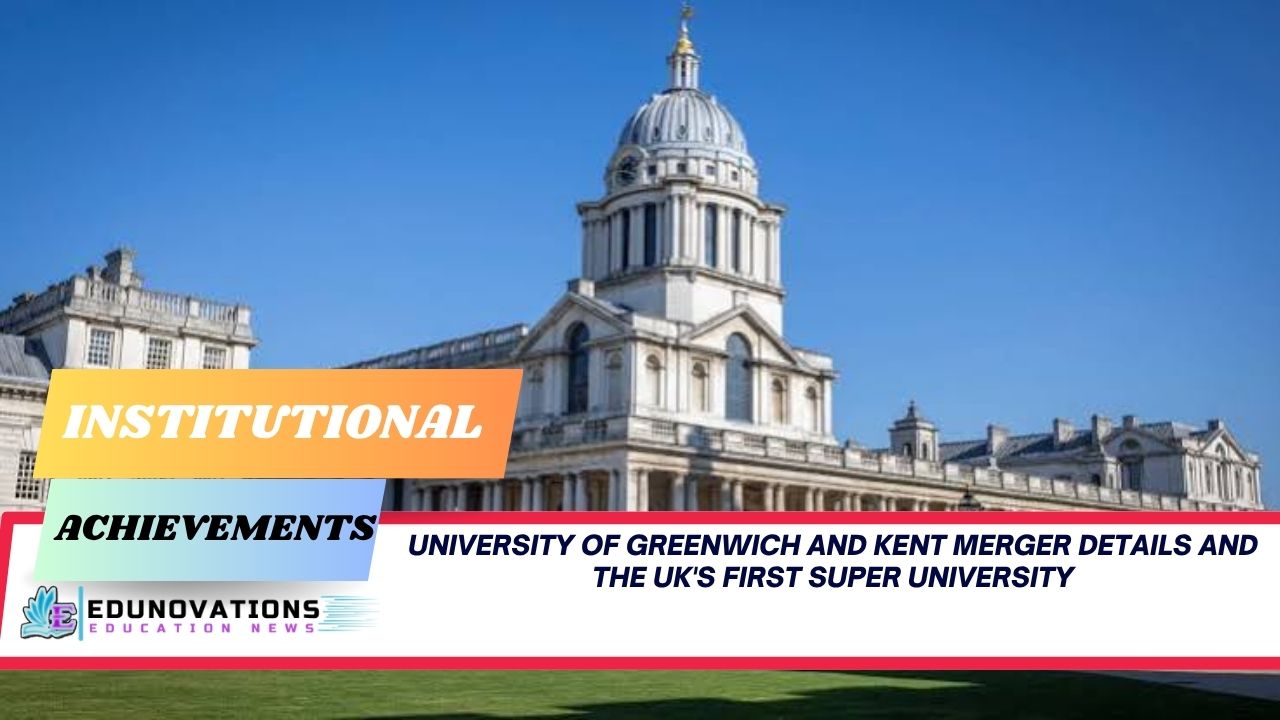
- Campus Culture: The historic roots of each campus—including iconic locations like the Old Royal Naval College housing Greenwich’s main campus—remain intact.
What Changes?
Behind the scenes, the administrative architecture has been completely redesigned:
- The Governing Body: A unified senior executive team and governing body oversee the overarching strategy.
- Leadership: Professor Jane Harrington has stepped into the role of CEO for the group, steering the transition.
- Resource Sharing: Administrative overhead, back-office operations, library resource sharing, and research funding will be pooled to maximize efficiency.
Exploring the LASE University Group
The official name of this new collective is the London and South East University Group (LASE). When evaluating the University of Greenwich and Kent merger details, educational analysts point out that LASE is more than just a joint venture; it represents an entirely new blueprint for British higher education.
Professor Jane Harrington, CEO of LASE, reflected on the intense planning process required to reach this milestone. Highlighting the collaborative nature of the project, she noted:
“There has been tireless work over the last year working to an ambitious timetable and developing a new university model that has never been done before. It means we are starting with a smooth transition, an extremely strong senior executive team and clear direction so that we can fulfil our potential as the UK’s first super-university.”
This sentiment echoes the broader industry view shared by educational economists. Thinkers and policy advisors have long argued that British universities need structural agility to survive global economic shifts. By creating a scalable group model, LASE provides a template that other regional institutions may soon replicate.
For students mapping out their academic journeys, having access to structured guidance is critical. You can explore structured paths through dedicated educational frameworks like NCERT Courses and review detailed syllabi via the Syllabus portal. Furthermore, visual learners can benefit greatly from concepts mapped out using tools like NCERT Mind Maps.
Institutional Technology and Digital Infrastructure
As universities expand and merge into massive conglomerates, managing administrative data, digital learning management systems (LMS), and internal campus infrastructure becomes a monumental technical challenge. Modernizing a multi-campus university housing 50,000 students requires robust software architecture, secure cloud solutions, and seamless user interfaces.
In the modern digital era, educational institutions and corporate enterprises alike rely heavily on specialized technology vendors. Organizations looking to upgrade their digital frameworks often partner with tech service providers such as Mart Infotech to build resilient digital infrastructures, manage software applications, and streamline operational workflows. Whether it is deploying student portal applications or securing massive institutional data networks, robust IT consulting plays an integral role in the success of modern university mega-mergers.
The Broader Economic Impact on Higher Education
The formation of the LASE group is not happening in a vacuum. Across the UK, universities are facing a financial squeeze brought on by capped domestic tuition fees, rising inflation, and fluctuating numbers of international fee-paying students.
Why Super Universities Are Becoming Necessary:
- Cost Efficiency: Pooling administrative departments cuts down redundant spending.
- Purchasing Power: Larger student bodies allow universities to negotiate better rates for campus utilities, software licenses, and research equipment.
- Global Competitiveness: A single entity representing 50,000 students commands more international prestige and visibility than two mid-sized institutions operating independently.
If you are a student or educator looking to dive deeper into educational content, reference tools, and institutional growth models, you can access a wide array of learning materials, including Videos and Downloads of Free NCERT PDFs.
Future Outlook: Will Other Universities Follow Suit?
The success of the University of Greenwich and Kent merger details will likely serve as a litmus test for the rest of the UK sector. If LASE can successfully balance massive administrative efficiency with high student satisfaction and academic prestige, expect to see regional university alliances pop up across Scotland, Wales, and the north of England.
The higher education landscape is evolving rapidly. Institutions that cling strictly to 20th-century operational models risk falling behind. Through visionary leadership, careful preservation of historical brand identities, and a scalable economic model, the University of Greenwich and the University of Kent have proven that innovation is possible even in the most traditional sectors.
Toppers Use Mind Maps to score more than 95%
NCERT Class 11th Commerce Mind Maps
Add to cartOriginal price was: ₹999.00.₹199.00Current price is: ₹199.00.NCERT Class 12th Chemistry Mind Maps
Add to cartOriginal price was: ₹199.00.₹75.00Current price is: ₹75.00.NCERT Class 12th Commerce Mind Maps
Add to cartOriginal price was: ₹999.00.₹199.00Current price is: ₹199.00.NCERT Class 12th Science Mind Maps
Add to cartOriginal price was: ₹999.00.₹199.00Current price is: ₹199.00.NCERT Mind Maps For Class 10th
Add to cartOriginal price was: ₹999.00.₹199.00Current price is: ₹199.00.





Purchase Today
Frequently Asked Questions
- What are the University of Greenwich and Kent merger details regarding student degrees? Students will continue to study, apply, and graduate under the specific names of either the University of Greenwich or the University of Kent, preserving their institutional identity.
- How many students are enrolled in the new UK super university? The newly formed London and South East University Group (LASE) unites over 50,000 students across four main campuses.
- What is the official name of the new university collective? The combined institution is officially known as the London and South East University Group (LASE).
- Who is the CEO of the newly formed LASE group? Professor Jane Harrington serves as the Chief Executive Officer, leading the senior executive team and governing body.
- When is the official launch date of the super university? The official launch is scheduled for September 7, marked by special ceremonial moments across all four constituent campuses.
- Will the University of Greenwich and Kent merger affect campus locations? No, the four existing campuses will remain operational, maintaining their physical locations, including historic sites like the Old Royal Naval College.
- Why did the University of Greenwich and the University of Kent merge? The merger was driven by ongoing economic pressures facing British universities, aiming to create administrative efficiency, financial resilience, and a scalable model.
- Can other universities join the LASE group in the future? Yes, the new university model has been specifically structured to allow other institutions to join the collective group over time.
- Do the two universities share the same chancellor and governing body? Yes, while maintaining separate academic names and identities, they operate under a unified governing body, a new chancellor, and a shared executive team.
- Where can I find more updates about the University of Greenwich and Kent merger details? You can track updates directly through official university announcements and higher education news portals specializing in UK academic policies.