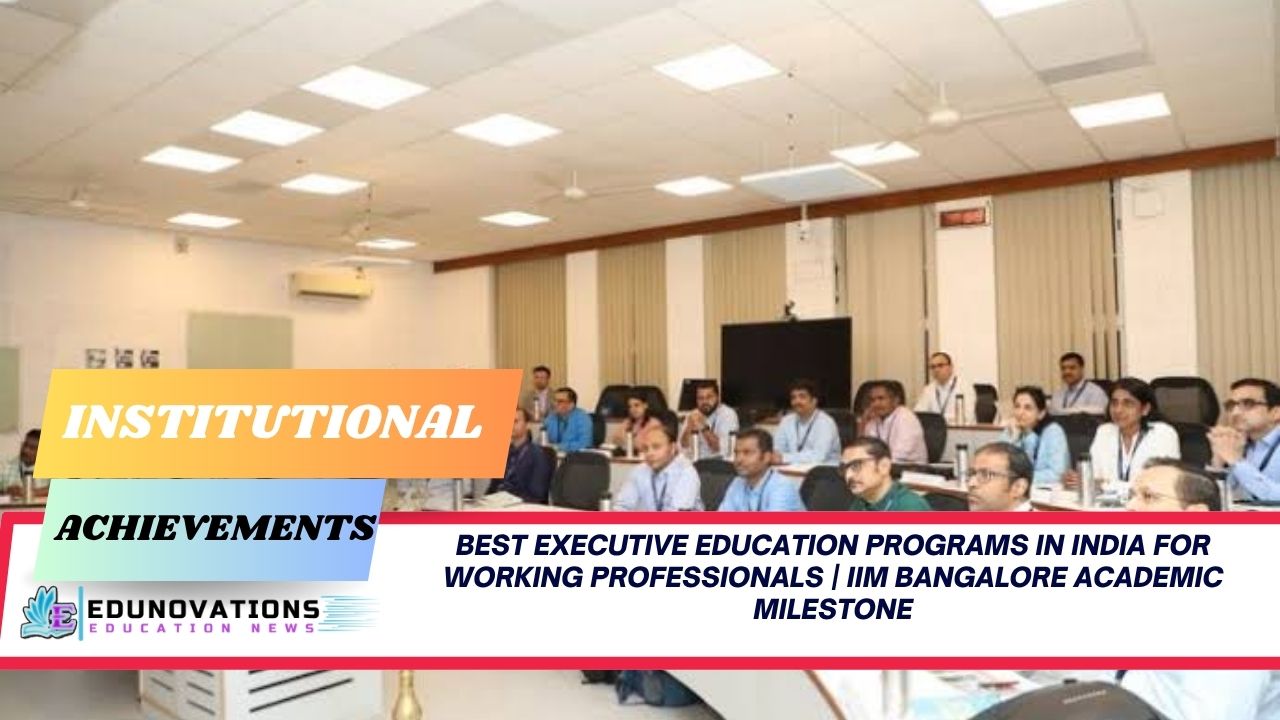
Explore how the best executive education programs in india for working professionals are set by world-class faculty. Read about Prof. Gopal Das joining the Journal of Consumer Psychology editorial board.
IIM Bangalore Faculty Milestone: Elevating Standards for Management Education and Consumer Research
Indian business education has reached another historic pinnacle, demonstrating that domestic management institutes are not merely consumers of global knowledge, but active creators of top-tier academic research. In a major development reinforcing the academic rigor of premier Indian B-schools, Professor Gopal Das from the Marketing Area at the Indian Institute of Management Bangalore (IIM Bangalore) has been formally invited to join the prestigious Editorial Review Board (ERB) of the Journal of Consumer Psychology (JCP).
This editorial appointment highlights the growing global clout of Indian business school faculty. The Journal of Consumer Psychology holds an elite position in global academia, being officially recognized as a Financial Times 50 (FT50) journal. The FT50 index consists of 50 premier research journals across business disciplines used worldwide by top rating agencies, academic institutions, and global benchmarking organizations to evaluate research excellence, institutional impact, and intellectual contribution.
For mid-career executives, industry practitioners, and decision-makers evaluating career progression, academic rigor directly correlates with program quality. The continuous contribution of faculty members to high-impact international journals ensures that curricula remain cutting-edge, evidence-based, and globally aligned. Understanding these academic benchmark accomplishments helps professionals evaluate the best executive education programs in india for working professionals when selecting executive diplomas, leadership certificates, and management degrees.
The Academic Significance of the FT50 Journal Recognition
To appreciate the gravity of Professor Gopal Das’s appointment to the Editorial Review Board of JCP, it is necessary to examine how global scholarly publishing operates. The Financial Times 50 index is universally acknowledged as the gold standard for management research.
When faculty members sit on editorial boards of FT50 publications, they do not merely review existing papers; they shape the future direction of marketing theory, consumer psychology, behavioral economics, and strategic communication.
The Journal of Consumer Psychology focuses on understanding the underlying psychological mechanisms governing consumer behavior. Its published literature explores:
- Cognitive Processing: How human minds perceive, store, and act upon brand messages, price signals, and product attributes.
- Affective and Emotional Responses: The interplay between human emotions, feelings, and purchasing choices.
- Motivational Dynamics: The core psychological drivers behind goal pursuit, brand loyalty, and consumer decision-making.
- Information Processing: How consumers interpret complex choices in digital, physical, and hybrid retail environments.
When leadership programs draw directly from instructors actively shaping FT50 journals, enrolled participants gain access to foundational research long before it is synthesized into popular business books or mainstream consulting frameworks.
                    ┌────────────────────────────────────────────────────────┐
                    │       Financial Times 50 (FT50) Recognized Journal      │
                    └───────────────────────────┬────────────────────────────┘
                                                │
                                                ▼
                    ┌────────────────────────────────────────────────────────┐
                    │      Journal of Consumer Psychology (JCP) Editorial    │
                    └───────────────────────────┬────────────────────────────┘
                                                │
                                                ▼
                    ┌────────────────────────────────────────────────────────┐
                    │     Prof. Gopal Das (IIM Bangalore) Appointed to ERB   │
                    └───────────────────────────┬────────────────────────────┘
                                                │
                                                ▼
                    ┌────────────────────────────────────────────────────────┐
                    │   Direct Integration of Cutting-Edge Research into     │
                    │      Executive Education & Leadership Curricula       │
                    └────────────────────────────────────────────────────────┘
Scholar Profile: Professor Gopal Das and His Research Portfolio
Professor Gopal Das is a distinguished academic in the Marketing Area at IIM Bangalore whose work spans multiple empirical and experimental dimensions of modern marketing science. His academic contributions address some of the most critical challenges facing modern digital businesses, consumer tech platforms, and legacy retail brands.
Key Areas of Expertise and Research Interests
- Consumer Emotion and Motivation: Analyzing how emotional states alter decision-making speeds, brand perception, and brand switching behavior.
- Scarcity and Perceived Value: Investigating how consumers react to real and artificial supply limits, promotional urgency, and exclusive offers.
- Consumer Receptivity to Artificial Intelligence: Studying consumer trust, adoption hurdles, and psychological barriers when interacting with AI algorithms, automated customer support, recommendation engines, and synthetic media.
- Gift-Giving and Social Dynamics: Uncovering the psychological incentives behind social exchange, relational gifts, and interpersonal marketing strategies.
- Modern Retailing Dynamics: Evaluating consumer movement, spatial layout preferences, omni-channel integration, and digital storefront optimization.
At IIM Bangalore, Professor Das translates this extensive research portfolio directly into classroom pedagogy. He teaches core and specialized modules including Marketing Management, Marketing Research, Consumer Behaviour, and Experimental Design.
For working executives navigating dynamic market environments, studying under faculty who conduct primary experimental research provides unmatched analytical advantages. Participants learn not just what consumers do, but why they do it, using structured experimental methodologies to validate marketing spend and product strategies.
Why Research Excellence Matters for Executive Education
Mid-career management training has evolved far beyond traditional lecture-based case studies. Today, working executives require data-backed strategies to steer organizations through digital disruption, algorithmic marketing, shifting consumer sentiment, and macroeconomic headwinds.
When evaluating leadership programs, working professionals should consider three core structural advantages tied to research-active B-schools:
┌──────────────────────────────┬─────────────────────────────────────────────────────────────────────────┐
│ Evaluation Metric            │ Operational Advantage for Executive Learners                            │
├──────────────────────────────┼─────────────────────────────────────────────────────────────────────────┤
│ Faculty Research Standing    │ Direct exposure to pre-publication insights and peer-reviewed models.   │
├──────────────────────────────┼─────────────────────────────────────────────────────────────────────────┤
│ Pedagogical Rigor           │ Shift from anecdotal advice to validated experimental frameworks.       │
├──────────────────────────────┼─────────────────────────────────────────────────────────────────────────┤
│ Institutional Reputation    │ High global rankings (FT, QS, AACSB) enhancing resume credential value. │
├──────────────────────────────┼─────────────────────────────────────────────────────────────────────────┤
│ Peer Network Quality        │ Attracts high-caliber co-participants across industry verticals.       │
└──────────────────────────────┴─────────────────────────────────────────────────────────────────────────┘
When professionals review executive offerings, choosing programs backed by world-class faculty ensures that the intellectual return on investment (ROI) remains high throughout their executive careers.
Exploring Learning Resources for Management Aspirants and Executives
Building a robust foundation in management, economics, policy, and business research requires structured preparation at every career stage. Whether preparing for competitive admissions tests, pursuing foundational knowledge, or expanding professional skills, candidate success depends on accessing high-quality academic materials.
Aspiring management students and working professionals can leverage specialized study resources across key domains:
- Foundational Preparation: Access comprehensive study assets through structured NCERT Courses to build strong subject-matter clarity across quantitative and analytical domains.
- Free Study Materials: Download essential texts directly using Free NCERT PDFs for convenient offline preparation.
- Conceptual Mind Mapping: Streamline complex business and economics concepts with visual tools like NCERT Mind Maps.
- Core Subject Summaries: Deepen theoretical understanding by reviewing curated academic Notes.
- Macro Environment Tracking: Stay aligned with national economic developments, policy changes, and market shifts via updated Current Affairs.
- Self-Assessment Tools: Evaluate test readiness and quantitative reasoning through specialized MCQs.
- Visual Learning Modules: Master complex analytical models through expert-led Videos.
- Exam Structure Guidance: Align study schedules with precise curriculum blueprints via updated Syllabus directories.
Educational institutions, management coaching centers, and academic organizations looking to build robust digital platforms and customized portal infrastructure can partner with web development experts at Mart Ind Infotech to build scalable web architecture.
How Global Rankings Evaluate Executive Programs
The appointment of faculty to journals like JCP directly influences institutional performance in international rankings such as the Financial Times Executive Education rankings, QS World University Rankings, and UT Dallas Research Rankings.
                  ┌──────────────────────────────────────────────────────────┐
                  │        FT Executive Education Ranking Dimensions          │
                  └────────────────────────────┬─────────────────────────────┘
                                               │
             ┌─────────────────────────────────┼─────────────────────────────────┐
             ▼                                 ▼                                 ▼
┌─────────────────────────┐       ┌─────────────────────────┐       ┌─────────────────────────┐
│   Faculty Quality &     │       │   Participant Growth    │       │   Program Design &      │
│   Research Output       │       │   & Career Progress     │       │   Customization         │
└─────────────────────────┘       └─────────────────────────┘       └─────────────────────────┘
International ranking frameworks evaluate business schools across specific core dimensions:
- Faculty Diversity and Qualifications: Percentage of faculty holding doctorates from premier global institutions and active representation on FT50 editorial boards.
- Research Output per Faculty Member: Volume of high-impact research published in peer-reviewed journals listed in prestigious citation databases.
- Course Design and Pedagogical Innovation: Integration of real-world business challenges, experimental design, behavioral labs, and simulations into the curriculum.
- Participant Feedback and Career Impact: Salary growth, promotion speed, and strategic responsibility expansion achieved by alumni following course completion.
- International Reach and Diversity: Global cohort composition, international exchange partnerships, and cross-border research collaborations.
Executive Education Options for Working Professionals
For working executives seeking to upgrade their management capabilities, choosing the right format is critical to balancing professional responsibilities with academic rigor. Top management institutes offer several structured learning formats tailored to different career stages.
1. General Management Executive Diplomas
Designed for mid-to-senior professionals moving from functional specialization into general management roles. These programs cover strategy, corporate finance, marketing management, organizational behavior, and supply chain logistics.
2. Specialized Executive Master’s Programs
Targeted programs focusing on high-demand functional domains such as Business Analytics, Digital Transformation, Healthcare Management, or Public Policy.
3. Custom Corporate Leadership Programs
Customized developmental modules codeveloped by B-schools and multinational corporations to train internal leadership cohorts on organization-specific strategic challenges.
4. Short-Duration Certificate Workshops
Targeted intensive workshops spanning 3 to 5 days that focus on specialized topics like experimental design in marketing, AI implementation in business, strategic negotiation, or corporate finance.
Understanding the Role of Consumer Psychology in Modern Marketing
Professor Gopal Das’s focus area—consumer psychology—has become one of the most vital disciplines in modern business leadership. As digital platforms collect vast volumes of behavioral data, businesses need frameworks to interpret consumer intent accurately.
Core Applications of Consumer Psychology in Enterprise Strategy
- Algorithmic Personalization: Understanding how consumers respond when artificial intelligence recommends products or sets dynamic prices.
- Pricing Perception: Designing pricing architectures that communicate value clearly while minimizing buyer friction and cart abandonment.
- Brand Loyalty in Digital Ecosystems: Creating emotional hooks that keep users engaged in subscription models and platform ecosystems.
- Ethical Marketing and Choice Architecture: Ensuring that nudge strategies and behavioral prompts respect consumer autonomy while driving positive business outcomes.
Executives who master these psychological principles can lead digital transformation initiatives with higher confidence and superior market outcomes.
Strategic Checklist for Choosing an Executive Development Program
Selecting the right executive course requires systematic evaluation. Use this decision matrix to evaluate prospective management offerings:
- [ ] Faculty Credentials: Are key modules taught by research-active professors who publish in FT50 journals?
- [ ] Curriculum Relevance: Does the syllabus address emerging trends like AI integration, experimental design, and digital consumer behavior?
- [ ] Format Flexibility: Does the class schedule (weekend, modular, or blended online) align with working commitments?
- [ ] Alumni Network Strength: Will the cohort connect you with senior leaders across diverse industry sectors?
- [ ] Institutional Accreditation: Is the institute accredited by global bodies such as AACSB, AMBA, or EQUIS?
Toppers Use Mind Maps to score more than 95%
NCERT Class 11th Commerce Mind Maps
Add to cartOriginal price was: ₹999.00.₹199.00Current price is: ₹199.00.NCERT Class 12th Chemistry Mind Maps
Add to cartOriginal price was: ₹199.00.₹75.00Current price is: ₹75.00.NCERT Class 12th Commerce Mind Maps
Add to cartOriginal price was: ₹999.00.₹199.00Current price is: ₹199.00.NCERT Class 12th Science Mind Maps
Add to cartOriginal price was: ₹999.00.₹199.00Current price is: ₹199.00.NCERT Mind Maps For Class 10th
Add to cartOriginal price was: ₹999.00.₹199.00Current price is: ₹199.00.



Purchase Today
Frequently Asked Questions (FAQs)
1. What makes the best executive education programs in india for working professionals stand out academically?
Premier executive programs stand out by combining rigorous academic research from FT50-recognized faculty with real-world business case studies, enabling working professionals to apply cutting-edge management principles directly in their organizations.
2. What is the Financial Times 50 (FT50) journal list, and why is it important for business school rankings?
The FT50 list comprises 50 premier peer-reviewed business journals selected by the Financial Times. Publications in these journals serve as a primary benchmark for evaluating faculty research quality, academic influence, and institutional global rankings.
3. How does top-tier faculty research impact working executives enrolled in management courses?
Active research ensures that executive curricula are backed by empirical evidence and validated frameworks rather than outdated theories, providing learners with early access to emerging industry practices.
4. Why is consumer psychology essential for modern marketing executives?
Consumer psychology explains the emotional, cognitive, and motivational drivers of purchasing decisions, enabling marketers to design better digital user experiences, optimized pricing strategies, and effective brand campaigns.
5. How do global rankings evaluate executive education programs?
Global rankings assess criteria including faculty research contributions, curriculum design, cohort diversity, career progression, post-completion salary increases, and alumni feedback.
6. What research topics does Professor Gopal Das specialize in at IIM Bangalore?
Professor Gopal Das specializes in consumer emotion, motivation, scarcity effects, information processing, gift-giving behavior, consumer receptivity to artificial intelligence, and retail marketing strategies.
7. How does studying under faculty involved in FT50 editorial boards benefit working professionals?
Faculty on elite editorial boards review and shape leading global research, ensuring their students receive deep, cutting-edge insights into strategic business trends and methodology long before they reach standard textbooks.
8. What formats are available in India for working executives seeking management training?
Formats include part-time weekend executive MBAs, modular residential executive diplomas, short-term specialized certificate courses, and customized corporate training modules.
9. How do rankings affect the post-completion value of an executive management certificate?
Higher-ranked institutes offer greater global credential recognition, stronger alumni networks, and higher perceived value among top-tier corporate recruiters and executive headhunters.
10. How can business schools ensure executive course curricula stay relevant in a digital-first economy?
By encouraging faculty to conduct primary research on artificial intelligence adoption, consumer technology, and dynamic market trends, B-schools continuously update course content to reflect real-world market shifts.