Public safety infrastructure across the nation is undergoing a profound structural evolution. For decades, the framework governing law enforcement agencies
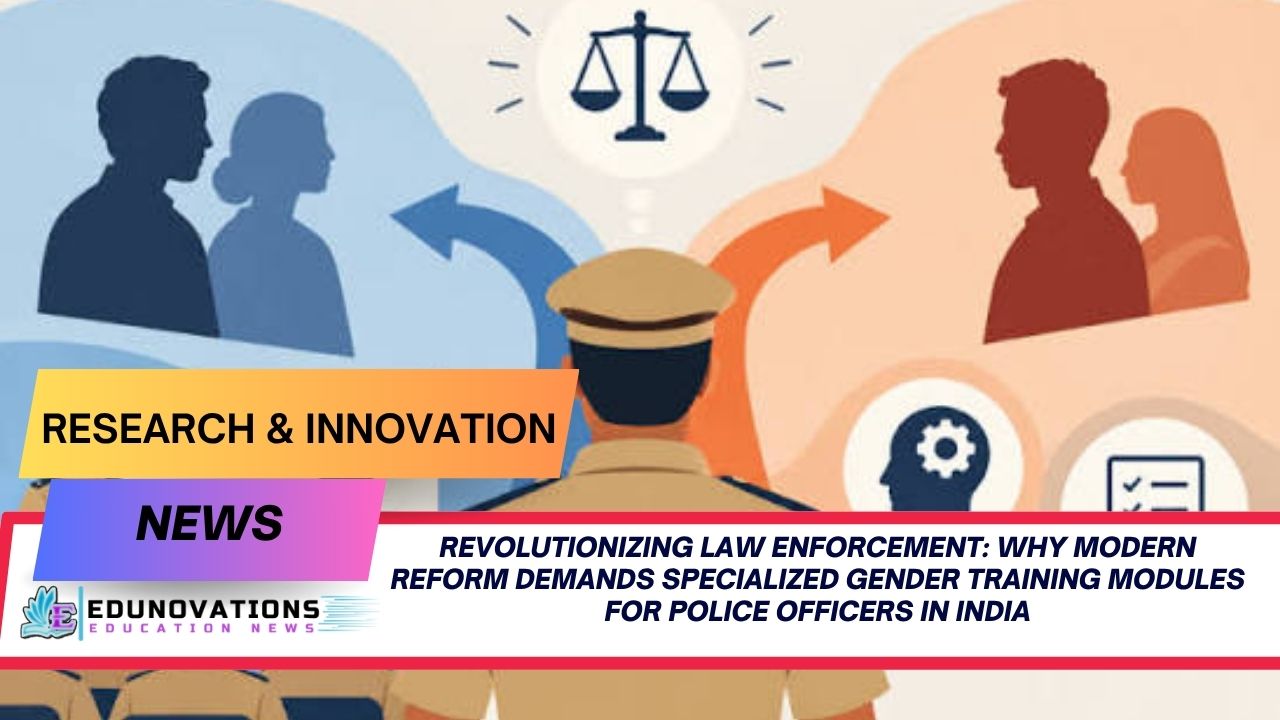
Public safety infrastructure across the nation is undergoing a profound structural evolution. For decades, the framework governing law enforcement agencies relied heavily on rigid operational hierarchies that frequently overlooked internal demographic shifts and modern human rights perspectives. Today, legal scholars, institutional leaders, and administrative policymakers agree that true modernization requires a fundamental shift in institutional culture. At the forefront of this transformation is the critical need to implement structured gender training modules for police officers in india, ensuring that frontline personnel are fully equipped to handle complex social dynamics, workplace equity, and citizen-centric policing.
The Changing Face of Modern Security
The contemporary security landscape demands far more than traditional crime control. Law enforcement officers are increasingly required to act as social mediators, crisis negotiators, and frontline protectors of constitutional rights. However, historical recruitment patterns and traditional training curricula have often left significant gaps in how officers perceive, navigate, and manage gender dynamics within both the community and their own internal ranks.
Educational institutions and specialized legal centers have begun documenting these structural gaps. Comprehensive reviews of institutional practices reveal that while numerical representation of women in uniform is slowly increasing, systemic barriers continue to impede their professional growth and integration. Without structured educational interventions, institutional attitudes remain resistant to progressive reform.
To better understand the broader educational framework surrounding public policy and institutional governance, scholars and civil servants frequently consult specialized academic resources. Professionals looking to expand their foundational knowledge often explore comprehensive NCERT Courses to build a solid understanding of Indian polity, sociology, and civic administration.
Unpacking Institutional Realities and Workplace Dynamics
A comprehensive evaluation of the internal environment within state police forces highlights several pressing challenges. Research initiatives and empirical studies examining the status of women in karnataka state police report findings indicate that frontline personnel frequently encounter deeply entrenched stereotypes. These studies point out that despite formal policy commitments to diversity, everyday operational realities often reflect low levels of awareness regarding statutory protections and gender equality frameworks.
Key hurdles identified in administrative assessments include:
- Limited institutional familiarity with constitutional jurisprudence regarding workplace non-discrimination.
- Prevalent skepticism among traditional personnel regarding the functional utility of specialized diversity policies.
- Inadequate supervisory support mechanisms for handling internal grievances and professional development.
- Persistent structural impediments that hinder the upward mobility of female officers into leadership roles.
Addressing these barriers requires more than surface-level policy changes; it demands continuous professional education. Educators and competitive exam aspirants tracking these administrative trends often review detailed Current Affairs analyses to stay updated on policy shifts in public administration and law enforcement.
Bridging the Gap Through Professional Education
Transforming institutional culture necessitates moving away from ad-hoc awareness sessions toward rigorous, scenario-based educational programs. Developing effective gender sensitisation programs in police academies ensures that incoming recruits and mid-career supervisors develop practical competencies in conflict resolution, bias mitigation, and empathetic policing.
Modern curriculum design focuses heavily on experiential learning. Rather than relying solely on theoretical lectures, contemporary training frameworks incorporate interactive exercises, peer-to-peer dialogues, and case studies. These sessions encourage male and female officers to openly discuss workplace challenges, examine historical precedents of women in policing, and collaboratively establish norms of mutual respect.
Students and researchers analyzing the statutory background of these reforms often utilize structured study materials. Accessing curated Notes helps learners synthesize complex legal provisions, supreme court guidelines, and administrative commission recommendations related to workplace safety and gender justice.
Overcoming Operational Hurdles on the Ground
Translating policy into practice at the grassroots level presents distinct administrative hurdles. Police stations serve as the primary point of contact between the state and the citizen. When operational environments lack gender-responsive frameworks, vulnerable citizens—particularly women reporting sensitive grievances—may face institutional hesitation or procedural friction.
Experts in criminal justice administration emphasize that addressing gender bias in police station work is essential for maintaining public trust. When supervisory officers actively champion inclusive practices, the entire operational ethos of a precinct shifts toward greater transparency and citizen responsiveness.
Key strategies being adopted by progressive police academies include:
- Implementing mandatory refresher courses for middle-level inspectors and sub-inspectors with over a decade of field experience.
- Introducing specialized communication modules focused on trauma-informed investigation techniques.
- Establishing peer support groups and transparent grievance redressal channels within district headquarters.
- Reviewing promotion pathways to ensure equitable opportunities across all operational branches.
For aspirants preparing for civil services and judicial examinations, testing one’s knowledge through targeted practice questions is an indispensable part of the study process. Reviewing specialized MCQ’s allows candidates to evaluate their understanding of constitutional amendments, criminal law amendments, and administrative police reforms.
Analyzing the Struggles of Frontline Personnel
The journey toward a fully inclusive law enforcement apparatus is ongoing. Examining the day-to-day realities highlights the numerous challenges faced by female police personnel in india, ranging from inadequate infrastructural facilities at older police stations to deeply ingrained socio-cultural biases that question their operational suitability for high-stress assignments.
Prominent legal scholar and social activist Flavia Agnes noted in a recent public lecture on institutional justice:
“True reform within our security apparatus cannot be achieved merely through legislative amendments or numerical quotas. It requires a fundamental restructuring of institutional empathy, where every officer—regardless of rank or gender—recognizes that upholding constitutional equality is a non-negotiable professional mandate.”
Addressing these systemic concerns requires a multi-pronged approach involving civil society organizations, academic institutions, and state governance bodies. Digital learners who prefer multimedia explanations often turn to specialized educational platforms. Watching detailed Videos breaks down complex sociological concepts and legal frameworks into digestible, engaging segments.
Furthermore, academic institutions and training bodies must continually update their core guidelines to reflect contemporary societal expectations. Reviewing the official Syllabus for public administration and police training courses provides a clear roadmap of the competencies required for modern governance.
Leveraging Technology and Institutional Partnerships
Modernizing state police forces also requires robust technological integration and institutional collaboration. Administrative bodies are increasingly partnering with technology solution providers to streamline internal record-keeping, secure communication channels, and manage digital training logs. For instance, agencies seeking specialized digital infrastructure often collaborate with trusted technology experts such as Mart Ind Infotech to build secure, scalable administrative portals.
As digital learning resources become more accessible, educators and students frequently download reference literature for offline study. Accessing repositories for Downloads of Free NCERT PDFs allows learners to build comprehensive conceptual foundations in sociology, political science, and public administration without financial barriers.
Additionally, visual learners benefit immensely from structural concept retention tools. Exploring detailed NCERT Mind Maps helps students and researchers visualize the interconnections between statutory frameworks, administrative hierarchies, and modern police reforms.
Toppers Use Mind Maps to score more than 95%
-
NCERT Class 11th Commerce Mind Maps
Add to cartOriginal price was: ₹999.00.₹199.00Current price is: ₹199.00. -
NCERT Class 12th Chemistry Mind Maps
Add to cartOriginal price was: ₹199.00.₹75.00Current price is: ₹75.00. -
NCERT Class 12th Commerce Mind Maps
Add to cartOriginal price was: ₹999.00.₹199.00Current price is: ₹199.00. -
NCERT Class 12th Science Mind Maps
Add to cartOriginal price was: ₹999.00.₹199.00Current price is: ₹199.00. -
NCERT Mind Maps For Class 10th
Add to cartOriginal price was: ₹999.00.₹199.00Current price is: ₹199.00.





Purchase Today
Frequently Asked Questions
- What are the primary objectives of implementing gender training modules for police officers in india? The primary objectives include raising awareness of constitutional and statutory gender commitments, reducing workplace stereotypes, improving grievance handling for victims, and fostering an equitable working environment for both male and female personnel.
- How does the status of women in karnataka state police report influence modern training policies? The report highlights empirical data on representation gaps, low baseline awareness among personnel regarding gender laws, and structural impediments, serving as an empirical foundation for designing targeted refresher modules for supervisory officers.
- Why are gender sensitisation programs in police academies crucial for new recruits? They establish foundational professional ethics early in an officer’s career, teaching them how to navigate workplace gender dynamics and ensuring citizen-friendly policing from day one.
- What role do supervisory officers play in addressing gender bias in police station work? Middle-level supervisory officers act as cultural anchors within local precincts; training them ensures that inclusive policies are actively enforced and monitored at the grassroots operational level.
- What are the most common challenges faced by female police personnel in india today? Common challenges include inadequate physical infrastructure in older police stations, work-life balance pressures, limited representation in specialized investigative units, and deep-seated socio-cultural biases.
- How do educational institutions contribute to police training reforms? Universities and legal research centers partner with state police departments to conduct empirical studies, design leadership modules, and facilitate cross-learning roundtable conferences.
- Are gender training programs mandatory for all ranks in the police force? While initial training covers basic legal frameworks, specialized leadership and refresher modules are increasingly being targeted at middle-level and senior supervisory ranks to drive institutional culture change.
- What teaching methodologies are most effective in police gender training? A combination of interactive lectures, scenario-based role-playing exercises, group discussions, and comparative case studies has proven most effective in shifting officer attitudes.
- How does improved gender training impact public perception of law enforcement? When officers are trained in empathetic, gender-responsive communication, vulnerable citizens feel more confident approaching police stations, thereby strengthening overall public trust in the justice system.
- Where can educators and researchers find comprehensive study materials on Indian administrative reforms? Researchers utilize specialized academic portals, official public policy repositories, and structured digital learning platforms to access syllabi, notes, and curriculum guides.