The global push toward environmental preservation has officially found its technological nucleus in India. Under the visionary guidance of top academicians,
The global push toward environmental preservation has officially found its technological nucleus in India. Under the visionary guidance of top academicians, the Corporate Relations Office at the Indian Institute of Technology Delhi (IIT Delhi) recently organized the prestigious CSR Conclave 2026 centered around the urgent theme of “Environment & Sustainability.”
The landmark gathering brought together over 245 high-profile delegates, including corporate sustainability officers, public sector undertakings (PSUs), non-governmental organizations (NGOs), policy-makers, and scientific researchers. The singular objective of this dynamic summit was to bridge the widening gap between high-level academic research and corporate social responsibility (CSR) budgets to fund real-world, scalable ecological projects.
For development sector professionals, corporate strategists, and academic researchers seeking actionable, pre-vetted proposals for environmental funding, obtaining a copy of the newly released iit delhi csr project compendium pdf has quickly become a top priority. This document serves as a comprehensive roadmap for aligning corporate investments with national environmental targets and the United Nations Sustainable Development Goals (SDGs).
Driving National Change Through Strategic Alliances
At the heart of this high-profile assembly was a collective realization: academic research cannot exist in a vacuum, and corporate capital requires scientific validation to achieve genuine ecological impact. By aligning corporate funds with advanced institutional research, India can accelerate its progress toward key environmental commitments, including carbon neutrality and waste mitigation.
Addressing the audience, Prof. Rangan Banerjee, Director of IIT Delhi, delivered an inspiring address highlighting this collaborative framework:
“At IIT Delhi, we are deeply committed to developing cutting-edge technologies that address pressing national priorities. Through strategic corporate collaborations, we can significantly accelerate the translation of academic research into scalable, commercially viable solutions that directly benefit society and protect our natural ecosystems.”
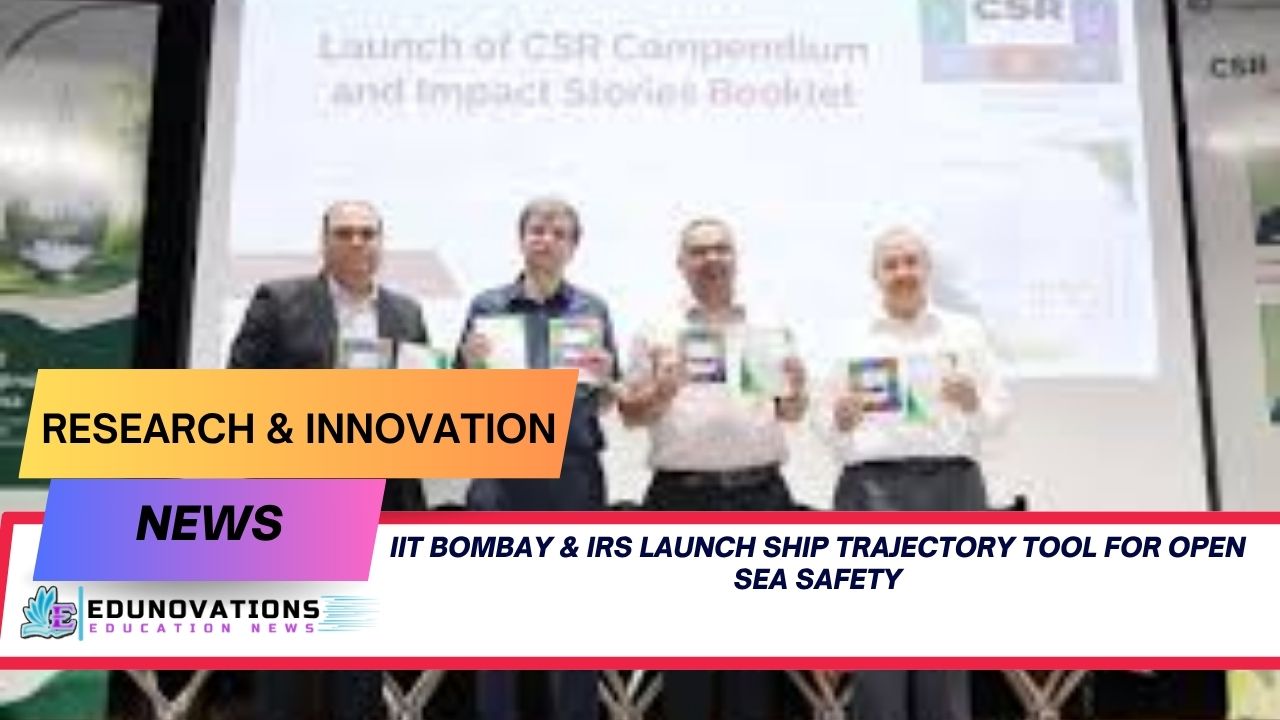
To help corporate entities navigate these opportunities, the Corporate Relations Office released two vital documents during the event: the CSR Project Compendium and the CSR Impact Stories booklet. The release was led by Prof. Rangan Banerjee alongside senior administrative leaders, including:
- Prof. Vivek Buwa, Deputy Director (Strategy & Planning)
- Prof. Jayant Jain, Dean (Corporate Relations)
- Prof. Ashwini Agrawal, Dean (Research & Development)
To make it easier for external organizations to navigate these administrative structures, schools or institutions looking to build robust digital portals to manage their research and collaborations can contact Mart Ind Infotech for professional website development and structural support.
Why the IIT Delhi CSR Project Compendium PDF is a Game-Changer
For corporate entities aiming to maximize the impact of their mandated developmental funds, the iit delhi csr project compendium pdf provides a structured, legally compliant, and highly impactful list of options.
Historically, corporate managers have struggled to find projects that offer both high-impact outcomes and rigorous scientific backing. The compendium resolves this issue by presenting projects that have already passed rigorous internal testing at IIT Delhi and are ready for immediate field deployment.
For students and competitive exam aspirants studying these emerging public-private partnership models, keeping up with environmental governance is crucial for success. Students can prepare for general studies exams by accessing Current Affairs resources and downloading highly structured notes to stay informed on these national developments.
Bridging the Gap: Corporates and Cutting-Edge Science
The newly launched directory offers a structured framework that benefits both the corporate sector and the scientific community:
- Saves Research and Development Time: Corporates do not need to spend months evaluating the scientific viability of environmental proposals. Every initiative listed in the iit delhi csr project compendium pdf is backed by peer-reviewed research and expert validation.
- Ensures Legal and Regulatory Compliance: Under Section 135 of the Indian Companies Act, CSR expenditures are heavily monitored. Investing in premier research organizations like IIT Delhi guarantees absolute transparency and compliance with government guidelines.
- Creates Highly Scalable Solutions: Unlike localized, short-term social welfare programs, the technological initiatives showcased by IIT Delhi are designed to scale nationally, offering a much higher return on social investment.
Exploring Key Technological Solutions in Environment and Sustainability
A major highlight of the event was the interactive Research & Innovation Showcase, where IIT Delhi’s leading faculty members demonstrated working prototypes of eco-friendly technologies. These solutions target critical industrial and ecological challenges in India.
1. Transformative Waste to Wealth Project Ideas for CSR Funding
One of the most heavily attended segments of the exhibition focused on practical waste-to-resource technologies. Rather than simply managing waste, these innovations focus on converting organic, municipal, and industrial byproducts into high-value raw materials.
Corporates looking to meet zero-waste targets can find highly practical waste to wealth project ideas for csr funding within the institute’s portfolio. These include low-cost municipal solid waste sorting systems, agricultural residue conversion devices, and eco-friendly construction materials made from industrial slag.
For students exploring these technical concepts as part of their school curriculum, referencing the official Syllabus can help connect classroom learning with real-world applications. To test your understanding of environmental science and circular economy principles, you can practice with interactive MCQs designed for academic preparation.
2. Commercializing Circular Bio Economy Technologies in India
The transition from a linear “take-make-waste” model to a circular, regenerative system is essential for India’s long-term resource security. During the showcase, researchers demonstrated how algal and microbial biotechnology can convert wastewater and agricultural runoff into bio-plastics, organic fertilizers, and clean bio-fuels.
Developing and scaling circular bio economy technologies in india is vital for reducing reliance on fossil fuels and chemical fertilizers. By funding these biotechnological projects, corporate partners can help bring these eco-friendly alternatives to mainstream markets.
3. Clean Energy and Green Combustion Systems
Air pollution remains a critical issue in India’s major urban centers. To address this, IIT Delhi researchers showcased innovative, ultra-clean combustion systems designed for industrial boilers and household cooking. These devices significantly reduce particulate matter and greenhouse gas emissions, offering a practical solution for rural communities and small-scale industries alike.
To help students visualize these chemical processes and energy transformations, downloading highly structured NCERT Mind Maps can make complex scientific frameworks much easier to understand.
Step-by-Step Guide: How to Get CSR Funding for Research in India
Securing corporate backing for high-level academic research has historically been a complex process. However, the structured approach demonstrated at the conclave outlines a clear pathway for researchers, institutions, and development partners nationwide.
To secure funding for environmental research under Indian corporate frameworks, organizations can follow these essential steps:
- Identify the Right Corporate Partner: Research companies whose corporate values and environmental, social, and governance (ESG) goals align with your specific technology.
- Develop a Comprehensive Proposal: Create a clear project proposal outlining the technical milestones, resource requirements, and expected environmental outcomes.
- Align with National Missions: Ensure the project directly contributes to major national initiatives, such as the Swachh Bharat Abhiyan, the National Clean Air Programme, or the National Solar Mission.
- Define Measurable Social Impact: Corporates require quantifiable metrics (such as tons of carbon offset, liters of water purified, or number of rural lives improved) to report to their boards and regulatory bodies.
By understanding how to get csr funding for research in india, scientific teams can turn laboratory-scale prototypes into commercial solutions, reducing dependence on government grants.
For young scholars interested in studying these public policies, sustainable development models, and environmental laws, enrolling in structured NCERT Courses offers a strong academic foundation. Students can also access comprehensive Videos to simplify complex socio-economic concepts.
Actionable Takeaways from the Conclave
For organizations that were unable to attend the live event in New Delhi, analyzing the major discussions offers valuable insight into the future of corporate environmental strategy. The most practical iit delhi csr conclave 2026 key takeaways highlight a clear shift in corporate giving:
- From Philanthropy to Deep-Tech: Corporates are moving away from traditional, short-term charity projects and investing in deep-tech solutions that address root environmental problems.
- An Emphasis on Long-Term Research: Companies are increasingly committing to multi-year research projects, recognizing that complex challenges like carbon capture and battery storage require steady, long-term funding.
- A Focus on Localized Impact: Both public and private sector organizations are prioritizing technologies that can be deployed directly in rural communities, driving regional economic growth while protecting local ecosystems.
For educators and school administrators looking to integrate these sustainability case studies and national initiatives into their curriculum, downloading free NCERT PDFs can provide excellent, verified resource material for classroom instruction.
The Road Ahead: Fostering Sustainable Ecosystems
The CSR Conclave 2026 has set a new benchmark for industry-academia collaboration in India. By providing corporate leaders with direct access to validated, high-impact research, IIT Delhi is helping accelerate the country’s transition toward a greener, more resilient economy.
As corporate social responsibility continues to evolve from a regulatory box-checking exercise into a strategic driver of innovation, collaborations like these will be essential for solving our most pressing environmental challenges.
Toppers Use Mind Maps to score more than 95%
NCERT Class 11th Commerce Mind Maps
Add to cartOriginal price was: ₹999.00.₹199.00Current price is: ₹199.00.NCERT Class 12th Chemistry Mind Maps
Add to cartOriginal price was: ₹199.00.₹75.00Current price is: ₹75.00.NCERT Class 12th Commerce Mind Maps
Add to cartOriginal price was: ₹999.00.₹199.00Current price is: ₹199.00.NCERT Class 12th Science Mind Maps
Add to cartOriginal price was: ₹999.00.₹199.00Current price is: ₹199.00.NCERT Mind Maps For Class 10th
Add to cartOriginal price was: ₹999.00.₹199.00Current price is: ₹199.00.





Purchase Today
Frequently Asked Questions (FAQs)
1. Where can I download the official iit delhi csr project compendium pdf?
The official document is hosted on the IIT Delhi Corporate Relations Portal. It is updated periodically with new, pre-vetted project proposals in clean energy, waste management, and sustainable agriculture that are ready for immediate corporate funding.
2. How can my company access waste to wealth project ideas for csr funding?
You can review the curated projects in the IIT Delhi CSR Compendium. These proposals detail the required budget, scientific milestones, and expected environmental impacts of technologies like municipal solid waste recycling and organic waste conversion.
3. Why are circular bio economy technologies in india gaining so much attention?
These technologies offer a highly sustainable way to convert agricultural residue, industrial organic waste, and wastewater into valuable bio-products like green fuels and bio-plastics, helping India reduce its reliance on resource imports.
4. What are the best ways to learn how to get csr funding for research in india?
Academic teams and NGOs should focus on aligning their research with India’s national development goals and the UN SDGs. Developing clear, measurable KPIs (Key Performance Indicators) and presenting peer-reviewed proof of concept is essential for securing corporate interest.
5. What were the most important iit delhi csr conclave 2026 key takeaways for businesses?
The event highlighted that corporate environmental spending is shifting toward deep-tech, long-term research partnerships and scalable technological solutions that address root causes rather than just treating symptoms.
6. Can small companies and startups collaborate with IIT Delhi for environmental projects?
Yes. While large corporations often fund major research initiatives, smaller businesses and startups can join the IIT Delhi Industry Membership Program (IMP) to access collaborative research, specialized facilities, and technology transfer opportunities.
7. How does IIT Delhi measure the success of its CSR-funded initiatives?
The institute tracks projects using clear, quantitative metrics, which are compiled and published in their annual CSR Impact Stories booklet to ensure complete transparency for corporate partners.
8. Are the environmental technologies developed by IIT Delhi commercially viable?
Absolutely. A primary goal of the Corporate Relations Office is to ensure that technologies developed in the lab are designed with scale and commercial viability in mind, making them highly attractive to private sector investors.
9. How do these sustainable technologies align with India’s national missions?
Every project showcased is carefully aligned with key government priorities, including the Swachh Bharat Mission, the National Action Plan on Climate Change, and rural development initiatives.
10. Who should I contact at IIT Delhi to initiate a CSR research partnership?
Organizations can reach out directly to the Corporate Relations Office located at the main campus in Hauz Khas, New Delhi, or initiate contact through their official web portal.