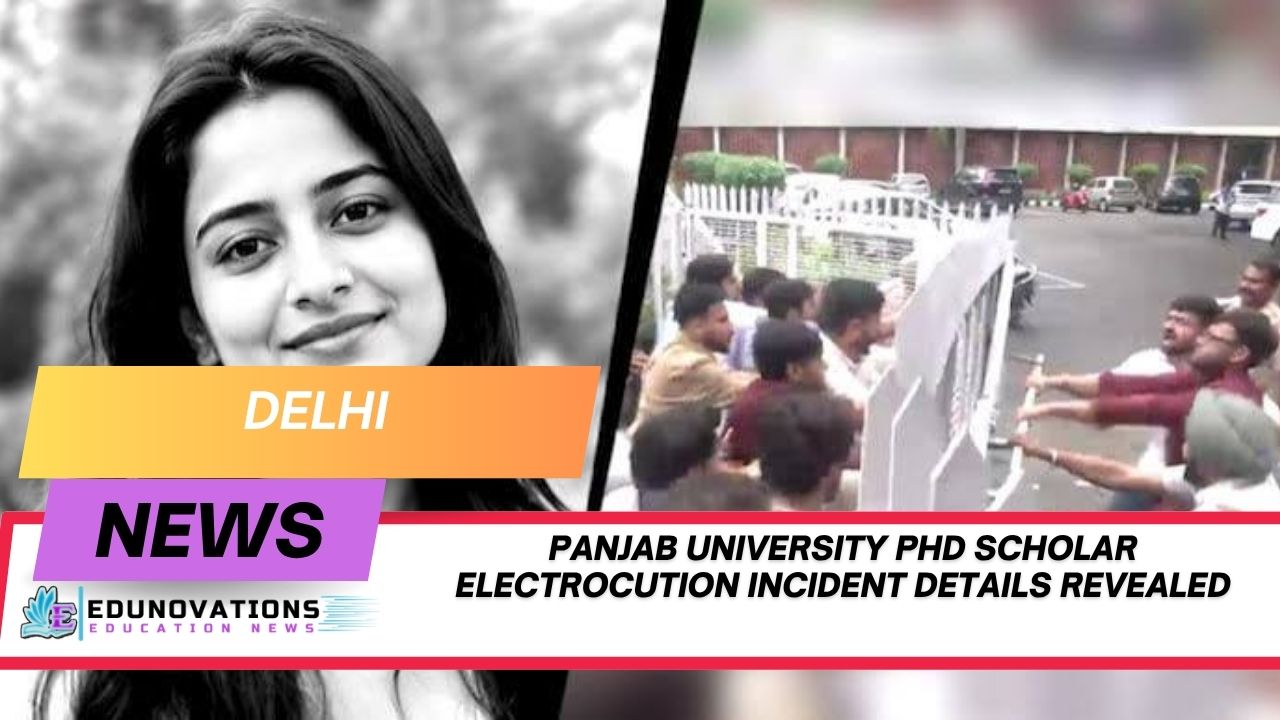
Read the tragic Panjab University PhD scholar electrocution incident details, campus safety lapses, protests, and compensation updates given to the grieving family.
The tragic death of a young scholar on a prominent educational campus has sent shockwaves across academic circles, triggering intense debates regarding infrastructural safety, institutional accountability, and student welfare. Educational institutions are meant to be safe havens that foster intellectual growth, research, and innovation. However, systemic negligence often converts these spaces into sites of preventable disasters. This comprehensive overview examines the unfortunate event, the structural issues behind it, the subsequent reactions from the student body and administration, and the vital safety measures required to prevent such tragedies in the future.
Understanding the Incident: What Went Wrong on Campus?
The campus environment should prioritize the physical security of its residents, researchers, and visitors above all else. When reviewing the Panjab University PhD scholar electrocution incident details, the narrative points toward severe infrastructural decay, particularly during adverse weather conditions. Heavy monsoon rains and unmanaged waterlogging often expose faulty electrical wiring, uninsulated junctions, and poorly maintained outdoor fixtures.
For students preparing for competitive examinations or pursuing rigorous higher education—much like candidates utilizing resources such as Current Affairs to stay updated with national developments—safety is an indispensable prerequisite. Unfortunately, the unfortunate victim, a 28-year-old researcher, fell prey to a live wire exposed due to heavy water accumulation near a campus pathway. Witnesses and student groups reported that despite prior warnings regarding open electrical panels and waterlogging hazards, the university maintenance department failed to take timely preventive action.
The Immediate Aftermath: Protests, Demands, and Administrative Response
The sudden demise of the scholar ignited immediate outrage among students and faculty members alike. Protests erupted across the campus, demanding strict accountability from the university administration. Student unions raised critical questions regarding the allocation of funds for campus maintenance and infrastructure upkeep.
- Calls for Accountability: Protesters demanded a transparent, independent judicial inquiry to fix responsibility on negligent officials.
- Safety Audits: Demands were raised for an immediate, comprehensive electrical safety audit of all hostel buildings, academic blocks, and outdoor pathways.
- Policy Reforms: Student representatives pushed for binding institutional guidelines to handle emergency infrastructure repairs swiftly.
As the pressure mounted, the administration engaged in dialogue with student leaders and the victim’s family to address immediate grievances. Recognizing the financial and emotional vulnerability of the bereaved family, the university announced a comprehensive compensation package, including financial aid and a regular job for the victim’s brother, aiming to offer some relief amidst the profound grief.
Institutional Negligence and the Broader Educational Crisis
While financial aid and employment packages provide temporary relief, they do not resolve the root cause of the crisis. Educational infrastructure across many Indian universities suffers from chronic underfunding, bureaucratic delays, and poor oversight.
For students managing their academic workloads—whether they are reviewing comprehensive Notes for their exams, practicing through targeted MCQ’s, or tracking structural changes via detailed Syllabus layouts—a stable and secure physical environment is fundamental. When basic safety infrastructure fails, it disrupts the entire academic ecosystem.
Furthermore, educational institutions seeking to upgrade their digital and physical infrastructure often collaborate with specialized tech and management partners. For instance, institutions looking to streamline their digital administrative frameworks frequently consult technology leaders like Mart Ind Infotech for robust digital transformation strategies. However, physical infrastructure maintenance requires just as much vigilance as digital expansion.
Expert Insights and Academic Perspectives on Campus Safety
Educational psychologists and urban safety experts have repeatedly emphasized that campus safety management must be treated as a continuous, proactive process rather than a reactive measure.
“Universities cannot afford to treat maintenance as an afterthought. When safety protocols are compromised, the cost is paid by our brightest young minds. Institutions must adopt strict compliance frameworks, regular third-party audits, and zero-tolerance policies toward infrastructural apathy.” — Dr. Arvind Sharma, Higher Education Policy Analyst and Campus Safety Researcher.
Experts argue that universities must integrate smart city technologies—such as automated power-cut-off sensors during waterlogging, waterproof underground cabling, and real-time grievance-redressal mobile applications—to ensure that student complaints regarding exposed wires or faulty streetlights are addressed within hours rather than weeks.
Empowering Students: Academic Resilience Amid Adversity
Despite the disheartening state of campus safety, students continue to strive for academic excellence. Preparing for high-level academic hurdles requires immense dedication. Scholars often supplement their institutional learning with external educational tools. Accessing structured study paths, such as specialized NCERT Courses, engaging with instructional Videos, or utilizing Free NCERT PDFs and visual NCERT Mind Maps, helps students maintain focus despite external adversities.
However, institutional accountability must match individual resilience. If universities demand excellence from scholars, they must guarantee a secure environment in return.
Toppers Use Mind Maps to score more than 95%
NCERT Class 11th Commerce Mind Maps
Add to cartOriginal price was: ₹999.00.₹199.00Current price is: ₹199.00.NCERT Class 12th Chemistry Mind Maps
Add to cartOriginal price was: ₹199.00.₹75.00Current price is: ₹75.00.NCERT Class 12th Commerce Mind Maps
Add to cartOriginal price was: ₹999.00.₹199.00Current price is: ₹199.00.NCERT Class 12th Science Mind Maps
Add to cartOriginal price was: ₹999.00.₹199.00Current price is: ₹199.00.NCERT Mind Maps For Class 10th
Add to cartOriginal price was: ₹999.00.₹199.00Current price is: ₹199.00.





Purchase Today
Frequently Asked Questions (FAQs)
1. What are the key details of the Panjab University PhD scholar electrocution incident details?
The incident involves a 28-year-old PhD scholar at Panjab University who tragically lost her life due to electrocution caused by an exposed electrical wire during severe waterlogging on campus.
2. What action did the university take following the protests?
Following intense student protests, the university administration announced financial aid and a job for the victim’s family, alongside promises to review campus safety measures.
3. How can students track updates regarding campus safety and administrative policies?
Students can stay updated through official university notifications, trusted news platforms, and dedicated educational portals offering current affairs and institutional updates.
4. Why are electrical hazards becoming common in academic campuses?
Electrical hazards are often the result of aging infrastructure, poor monsoon management, delayed maintenance, and uninsulated outdoor wiring exposed to waterlogging.
5. What role do student unions play in such tragic incidents?
Student unions act as primary pressure groups, demanding administrative accountability, safety audits, fair compensation for affected families, and structural reforms to prevent future accidents.
6. Are there safety guidelines for Indian universities regarding electrical maintenance?
Yes, universities are mandated by safety codes to conduct regular electrical audits, maintain waterproof junction boxes, and promptly address hazards reported by students or staff.
7. How does poor campus infrastructure impact academic performance?
Unsafe physical environments create stress, anxiety, and distrust among the student community, ultimately disrupting academic focus and research productivity.
8. What support was provided to the victim’s family?
The family received a financial aid package and a job allocation for the victim’s brother to help them navigate the financial crisis following the tragedy.
9. How can digital platforms help students stay informed about campus news?
Students can utilize educational websites offering curated notes, MCQs, current affairs modules, and syllabus updates to stay connected with both academic and socio-legal developments.
10. What long-term measures are required to prevent campus electrocution deaths?
Long-term solutions include implementing smart drainage systems, replacing legacy underground wiring, enforcing strict third-party safety audits, and establishing rapid-response maintenance cells.