Discover top career pathways for social science majors in India. Learn from Dr. Jahnavi Phalkey’s session at NLSIU on navigating public policy, research, and alternative careers.
Inspiring Paradigm Shifts: Top Career Pathways for Social Science Majors in India Unlocked at NLSIU
The traditional view of Indian higher education has long been dominated by a binary focus on engineering and medicine. However, a profound shift is occurring across the academic landscape. As complex global challenges require multidisciplinary solutions, the demand for critical thinkers, policy analysts, and cultural communicators is surging. To address this evolving landscape, the National Law School of India University (NLSIU), Bengaluru, hosted a pivotal session under its prominent conversation series. The event brought crucial focus to the expansive career pathways for social science majors in India, demonstrating how liberal arts graduates can successfully navigate the modern world of work.
Organized by the NLS BA (Hons) programme, the interactive dialogue featured Dr. Jahnavi Phalkey, a distinguished historian, filmmaker, and the Founding Director of the Science Gallery Bengaluru. The session offered a masterclass in career agility, showing students how to connect rigorous social science training to diverse, high-impact professional fields.
Redefining Academic Horizons in Modern India
Liberal arts and social science disciplines are experiencing a renaissance. Institutions across the country recognize that technical skills must be paired with humanistic understanding to solve structural societal issues. The NLSIU dialogue emphasized that a degree in the humanities is no longer a restricted academic pursuit, but a launchpad for diverse professional journeys.
For students pursuing these disciplines, understanding the broad spectrum of career pathways for social science majors in India is essential. Graduates are no longer confined to traditional roles in teaching or civil services. Instead, they are increasingly recruited by corporate think tanks, global non-governmental organizations, media houses, and creative enterprises. The analytical framework developed during a social sciences degree—encompassing qualitative research, critical discourse analysis, and historical contextualization—equips students with the adaptability required in a volatile job market.
Academic mentors often emphasize that the ability to synthesize complex data and communicate it effectively is a rare and valuable skill. By focusing on cross-disciplinary studies, students learn to view contemporary challenges through historical, legal, and sociological lenses, making them highly valuable to employers across both public and private sectors.
Strategic Guidance from a Global Academic Pioneer
The highlight of the NLSIU event was the journey of Dr. Jahnavi Phalkey. Her career exemplifies the fluidity and boundless potential available within the humanities. Having held a tenured faculty position at King’s College London, and worked at prestigious institutions like the University of Heidelberg, Georgia Tech-Lorraine, and Imperial College London, Dr. Phalkey’s experiences offer a blueprint for aspiring global scholars.
Dr. Jahnavi Phalkey: Academic & Professional Milestones
├── Academic Foundations & Global Faculty Positions
│   ├── King's College London (Tenured Faculty)
│   ├── University of Heidelberg
│   ├── Georgia Tech-Lorraine
│   └── Imperial College London
├── Fellowships & Curatorial Roles
│   ├── Fellow, Wissenschaftskolleg zu Berlin
│   ├── External Curator, Science Museum London
│   └── Scholar-in-Residence, Deutsches Museum, Munich
└── Major Publications & Recognitions
    ├── Author: "Atomic State: Big Science in Twentieth Century India"
    ├── Producer-Director: 2020 Documentary "Cyclotron"
    └── Winner: 2023 Infosys Prize in Humanities
During her address, Dr. Phalkey shared practical insights into how social science majors can connect their academic interests to practical professional pathways. She encouraged students to build careers that align with their personal values, curiosity, and skills rather than following pre-determined tracks. Her work demonstrates how academic research can break out of traditional boundaries and engage directly with the public.
Exploring New Avenues in Public Policy and Social Impact
A significant area of interest for contemporary students is the rapidly growing domain of governance, administrative consultation, and strategic statecraft. For those looking to bridge the gap between academic theory and practical execution, learning how to build a career in public policy India has become a top priority.
The expansion of independent think tanks, corporate social responsibility (CSR) departments, and specialized government advisory panels has created a strong demand for analytical minds. Social science graduates are uniquely trained to evaluate the qualitative impacts of legislative frameworks and developmental programs.
To prepare for these fast-paced environments, students must supplement their theoretical learning with strong analytical tools. Utilizing specialized resources like comprehensive Current Affairs updates helps students stay informed about real-time legislative shifts and socio-economic trends. Additionally, reviewing structural curriculum frameworks through dedicated NCERT Courses ensures a solid foundation in core developmental concepts.
The Intersection of Science, History, and Public Engagement
Dr. Phalkey’s scholarly contributions offer a unique look at how history intersects with the hard sciences. Her research highlights the deep historical context behind technological progress. Exploring a specific framework like Jahnavi Phalkey history of science in modern India shows how the social sciences can illuminate the human side of scientific developments.
Her recognized volume, Atomic State: Big Science in Twentieth Century India, along with the co-edited work Science of Giants: China and India in the Twentieth Century, examines how political, social, and institutional forces shaped large-scale scientific research in modern India. Her 2020 documentary, Cyclotron, further demonstrates how film can be used to bring institutional histories to life. This interdisciplinary approach was recognized with the prestigious 2023 Infosys Prize in Humanities, proving that historical research can resonate far beyond conventional university libraries.
Navigating Alternative Fields for Liberal Arts Graduates
One of the most encouraging takeaways from the session was the validation of non-traditional career paths. The modern professional ecosystem offers excellent alternative career options for BA Honors students willing to apply their skills in creative ways.
Graduates are finding success in fast-growing sectors such as:
- Creative Arts and Documentary Filmmaking: Using visual media to communicate complex socio-political realities.
- Curatorial Practices and Museum Studies: Transforming historical archives into interactive educational spaces for the public.
- Knowledge Management and Archival Sciences: Preserving cultural heritage and managing institutional memory for corporate and public bodies.
- Strategic Communications: Helping corporate entities navigate complex socio-cultural landscapes with nuance and sensitivity.
To balance these diverse career options with academic commitments, students need efficient study methods. Accessing structured Notes can streamline preparation, while practicing targeted MCQ’s helps reinforce core concepts needed for competitive entry exams.
Bridging Art and Science through Public Spaces
The conversation also highlighted how new institutional models can create fresh career opportunities. The Science Gallery Bengaluru career and research opportunities stand out as an excellent example of this trend. This public space connects the human, social, and natural sciences, moving beyond traditional gallery models to serve as a live platform for research-based engagement.
For social science graduates, institutions like the Science Gallery offer unique roles in public engagement, exhibition curation, interdisciplinary research facilitation, and educational outreach. These roles require individuals who can translate scientific data into meaningful cultural narratives, opening up a dynamic space for young professionals in India.
Practical Insights for Building Academic and Professional Success
Succeeding in these competitive fields requires a balanced approach that combines deep academic knowledge with practical skills. Educational leaders emphasize that students who augment their degrees with strong foundational learning are much better prepared for the job market.
Using diverse learning media, such as high-quality Videos, can make complex social theories easier to understand. Students should also align their studies with official guidelines by carefully reviewing the required Syllabus. Building a comprehensive personal library through the Downloads of Free NCERT PDFs ensures access to verified foundational data. Furthermore, using innovative visual tools like NCERT Mind Maps can help students map out connections between historical events, sociological theories, and modern policy challenges.
Additionally, academic institutions looking to create robust digital platforms to showcase their student achievements and career seminars can partner with experienced developers, such as Mart Ind Infotech, to build high-performance school and university portals.
Ultimately, the NLSIU Crafting Careers session delivered an important message: a degree in the social sciences is a powerful asset. By embracing interdisciplinary learning, seeking out public engagement platforms, and continuously developing their analytical skills, social science majors can build impactful, creative, and lasting careers across India’s evolving professional landscape.
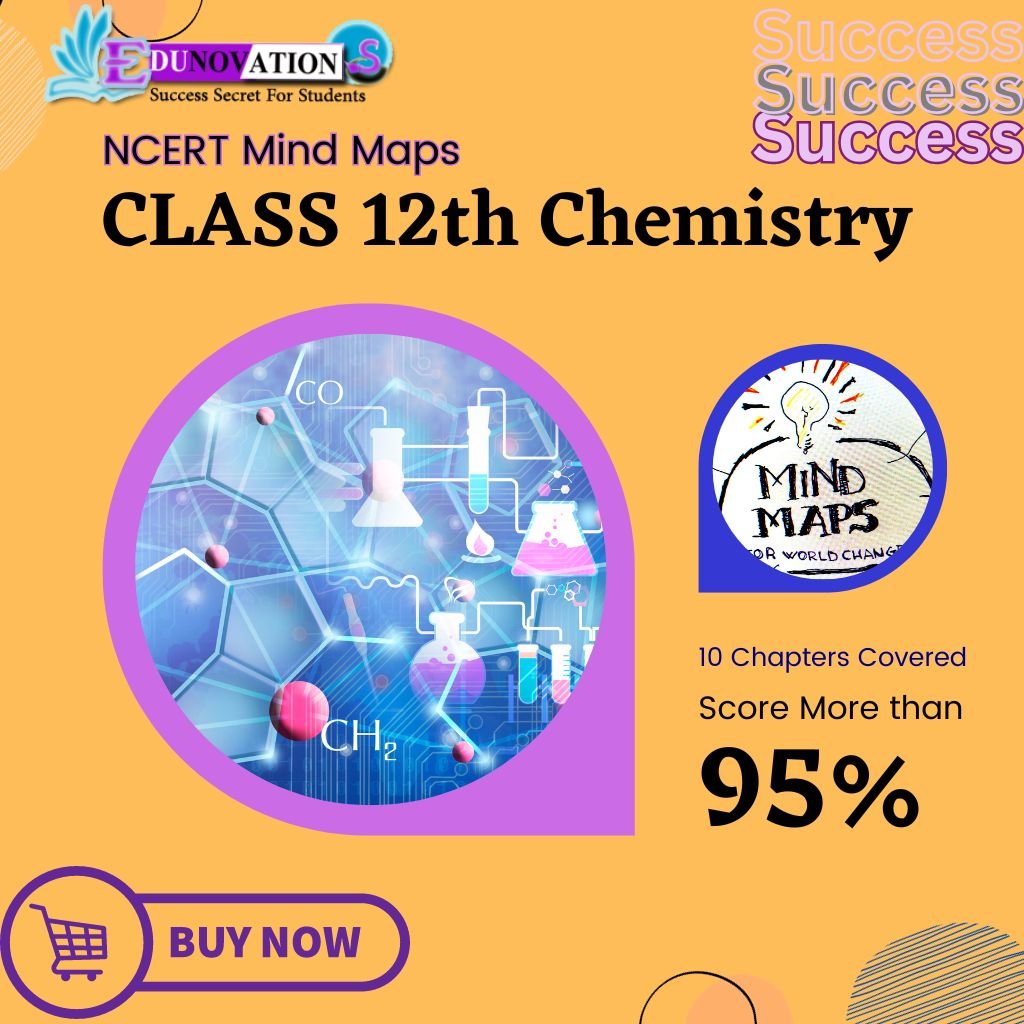
Toppers Use Mind Maps to score more than 95%
NCERT Class 11th Commerce Mind Maps
Add to cartOriginal price was: ₹999.00.₹199.00Current price is: ₹199.00.NCERT Class 12th Chemistry Mind Maps
Add to cartOriginal price was: ₹199.00.₹75.00Current price is: ₹75.00.NCERT Class 12th Commerce Mind Maps
Add to cartOriginal price was: ₹999.00.₹199.00Current price is: ₹199.00.NCERT Class 12th Science Mind Maps
Add to cartOriginal price was: ₹999.00.₹199.00Current price is: ₹199.00.NCERT Mind Maps For Class 10th
Add to cartOriginal price was: ₹999.00.₹199.00Current price is: ₹199.00.


Purchase Today
Frequently Asked Questions (FAQs)
Q1: What are the emerging career pathways for social science majors in India? A1: Emerging career pathways for social science majors in India include roles in corporate think tanks, public policy analysis, social impact consulting, developmental journalism, digital archiving, and public curatorial positions at cultural institutions.
Q2: How can young graduates learn how to build a career in public policy India? A2: To learn how to build a career in public policy India, graduates should focus on developing strong qualitative and quantitative data analysis skills, secure internships with policy think tanks or government bodies, and stay updated on current socio-economic legislation.
Q3: What unique perspectives does Jahnavi Phalkey history of science in modern India offer? A3: The study of Jahnavi Phalkey history of science in modern India provides deep insights into how political, institutional, and social forces shaped major scientific research and scientific developments across modern India.
Q4: What are some viable alternative career options for BA Honors students? A4: Excellent alternative career options for BA Honors students include documentary filmmaking, museum curation, knowledge management, public relations, strategic corporate communication, and non-profit institutional leadership.
Q5: What kind of Science Gallery Bengaluru career and research opportunities are available for humanities graduates? A5: The Science Gallery Bengaluru career and research opportunities for humanities graduates include roles in interdisciplinary research, public engagement facilitation, exhibition curation, media production, and educational outreach program management.
Q6: Why is public policy becoming a popular field for Indian social science majors? A6: It has become a popular route because modern governance and corporate social responsibility sectors require individuals who can evaluate the real-world, human impact of legal and socio-economic frameworks with academic nuance.
Q7: Can a BA Honors student transition into media and documentary filmmaking? A7: Yes. As demonstrated by Dr. Phalkey’s work on the documentary Cyclotron, a background in the social sciences provides the critical research skills necessary to produce deeply engaging and socially relevant documentary media.
Q8: How does institutional history impact modern scientific research in India? A8: Understanding institutional histories helps researchers and policymakers see how past political funding, cultural shifts, and global academic networks continue to influence modern scientific choices and technological innovations.
Q9: What foundational resources help students prepare for careers in public policy? A9: Building a strong foundation through comprehensive foundational reading, analyzing structured political science and economics notes, and staying regularly informed on global and national current affairs are excellent preparatory steps.
Q10: Are interdisciplinary research spaces common in India today? A10: Yes, institutions like the Science Gallery Bengaluru are leading the way by creating public spaces where human, social, and natural sciences intersect, offering fresh avenues for collaborative professional development.